THE ADVENTURE COLLECTIVE® · Independent discovery and booking for outdoor travel

Spend five hours moving through Houston’s best public gardens — from the Japanese Garden’s tea house pond to the Bayou Bend suspension bridge and the Centennial Gardens’ waterfall ramp. This guided loop blends history, native plants, and accessible walking routes with a lunch stop in Memorial Park.
Spend five hours moving through Houston’s best public gardens — from the Japanese Garden’s tea house pond to the Bayou Bend suspension bridge and the Centennial Gardens’ waterfall ramp. This guided loop blends history, native plants, and accessible walking routes with a lunch stop in Memorial Park.
The morning opens under the rotunda of Houston City Hall and within minutes you're walking into a city that keeps its wild corners close. Footsteps cross manicured lawns, loop past a cascading waterfall observation ramp, and slow beside a tea house pond where koi glance up like polished coins. A slow-moving bayou dares you to notice the hush of water against concrete embankments and the pockets of native trees that break the skyline.
Verified experiences and guided adventures in the surrounding area.
Operated by Houston Historical Tours - Day Tours · Houston, Texas
The morning opens under the rotunda of Houston City Hall and within minutes you're walking into a city that keeps its wild corners close. Footsteps cross manicured lawns, loop past a cascading waterfall observation ramp, and slow beside a tea house pond where koi glance up like polished coins. A slow-moving bayou dares you to notice the hush of water against concrete embankments and the pockets of native trees that break the skyline.
These gardens are chapters of Houston history: Bayou Bend’s 1928 house and bridge approach, Rienzi’s 1950s landscape architecture, and the Centennial Gardens’ 2014 redesign that intentionally blends public memorials with rockwork and a pagoda. Geologically, the area sits on low-lying coastal plain shaped by Buffalo Bayou; expect flat to gently rolling terrain, ravines near Rienzi, and water-managed features in the Japanese Garden. Culturally the sites mix civic commemoration — busts and statues — with quiet Japanese-influenced garden design and native plantings that support urban birdlife.
Practically: this is a five-hour, low-effort walking loop with several short stops, one lunch break at a park-side café, and mostly paved paths interspersed with gravel or packed soil in woodland sections. Wear supportive walking shoes, bring a refillable water bottle, and plan for sun exposure in summer or cool layering November–February. Wheelchair access is generally available at main points, but some winding garden paths and suspension bridges have limited grade. Carry a compact umbrella for sudden Gulf-coast showers and a camera with a zoom for birds that keep their distance. This tour pairs leisurely exploration with focused local history — an accessible way to read the city through its green spaces.
Main meeting points and many major gardens offer wheelchair access, but some winding paths and suspension bridges can have limited grades—contact the operator if you require full accessibility details.
Entrance fees listed in the itinerary are included where specified; confirm specific garden admissions with the operator prior to booking.
The group meets inside the rotunda of Houston City Hall (901 Bagby St) on weekdays; on weekends the meeting point is a bench on the east side of City Hall.
Yes—infants may ride in strollers, infants must sit on laps during some stops; the tour is family-friendly though it involves several hours of walking.
Houston Historical Tours - Day Tours operates guided outdoor trips and adventures with an emphasis on safety, stewardship, and memorable experiences.
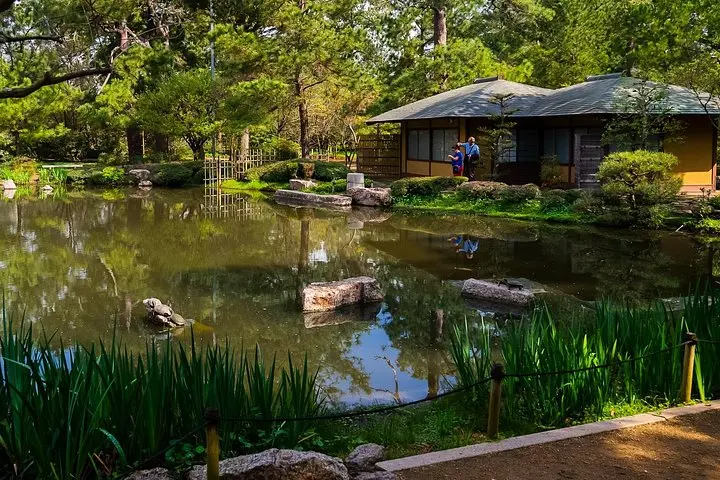
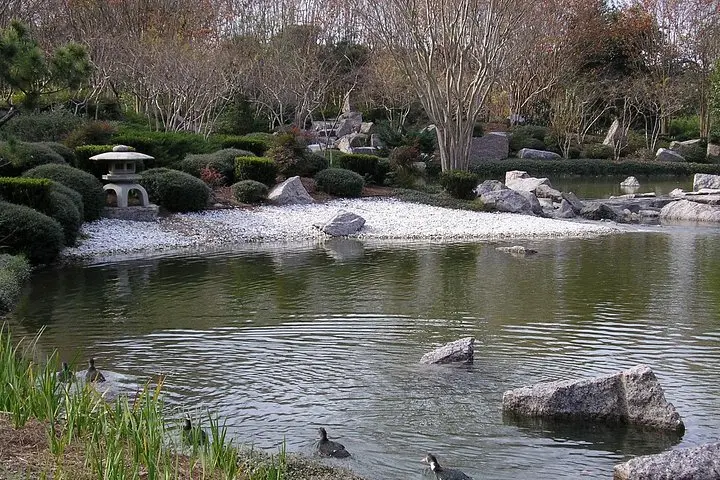
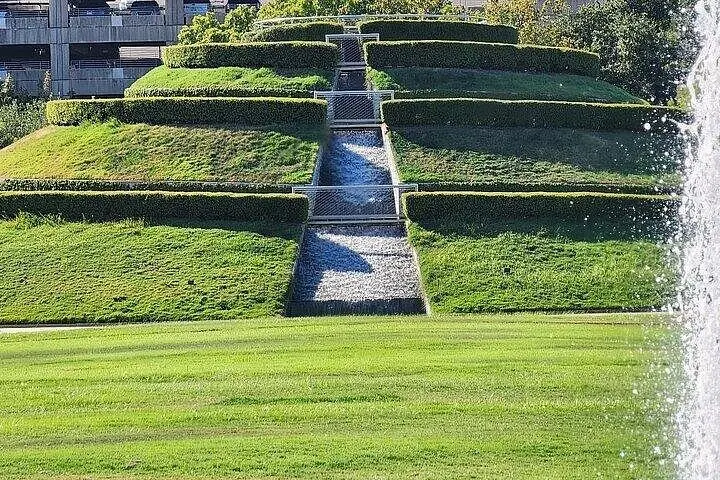
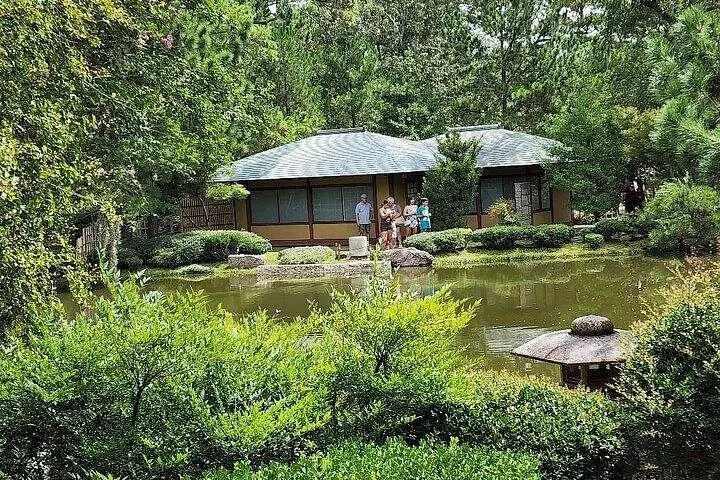
The morning opens under the rotunda of Houston City Hall and within minutes you're walking into a city that keeps its wild corners close. Footsteps cross manicured lawns, loop past a cascading waterfall observation ramp, and slow beside a tea house pond where koi glance up like polished coins. A slow-moving bayou dares you to notice the hush of water against concrete embankments and the pockets of native trees that break the skyline.
The morning opens under the rotunda of Houston City Hall and within minutes you're walking into a city that keeps its wild corners close. Footsteps cross manicured lawns, loop past a cascading waterfall observation ramp, and slow beside a tea house pond where koi glance up like polished coins. A slow-moving bayou dares you to notice the hush of water against concrete embankments and the pockets of native trees that break the skyline.
These gardens are chapters of Houston history: Bayou Bend’s 1928 house and bridge approach, Rienzi’s 1950s landscape architecture, and the Centennial Gardens’ 2014 redesign that intentionally blends public memorials with rockwork and a pagoda. Geologically, the area sits on low-lying coastal plain shaped by Buffalo Bayou; expect flat to gently rolling terrain, ravines near Rienzi, and water-managed features in the Japanese Garden. Culturally the sites mix civic commemoration — busts and statues — with quiet Japanese-influenced garden design and native plantings that support urban birdlife.
Practically: this is a five-hour, low-effort walking loop with several short stops, one lunch break at a park-side café, and mostly paved paths interspersed with gravel or packed soil in woodland sections. Wear supportive walking shoes, bring a refillable water bottle, and plan for sun exposure in summer or cool layering November–February. Wheelchair access is generally available at main points, but some winding garden paths and suspension bridges have limited grade. Carry a compact umbrella for sudden Gulf-coast showers and a camera with a zoom for birds that keep their distance. This tour pairs leisurely exploration with focused local history — an accessible way to read the city through its green spaces.