THE ADVENTURE COLLECTIVE® · Independent discovery and booking for outdoor travel

A one-day private flight from Guangzhou to Xi’an puts you face to face with the Terracotta Warriors and the layers of history around the ancient city wall. This full-day itinerary combines streamlined logistics with guided exploration of pits, local markets, and historic ramparts.
A one-day private flight from Guangzhou to Xi’an puts you face to face with the Terracotta Warriors and the layers of history around the ancient city wall. This full-day itinerary combines streamlined logistics with guided exploration of pits, local markets, and historic ramparts.
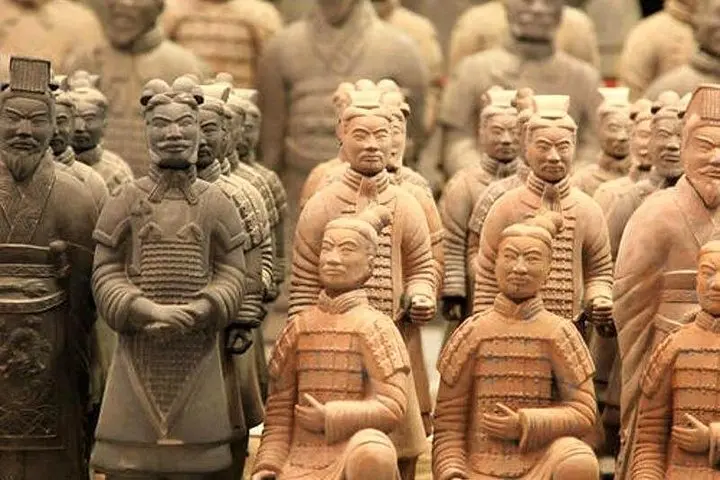
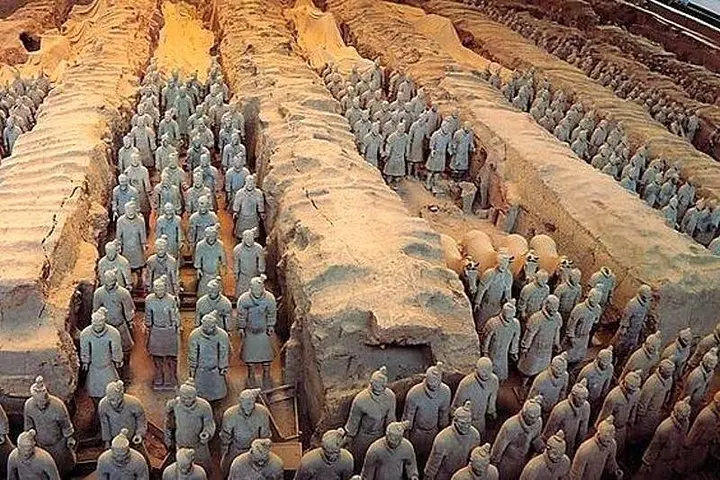
You step off a short domestic flight into northern China’s low, loamy air and feel the city’s scale change — Xi’an’s flat plain opens out beneath a low, broad sky. A private driver slides you past modern arrivals toward an earthen site where rows of life-size figures stand in ordered silence. The Terracotta Warriors greet visitors with the weight of centuries, faces frozen in the moment of imperial command.
Verified experiences and guided adventures in the surrounding area.
Operated by Sunny Private Tours · Xi'an, Shaanxi
You step off a short domestic flight into northern China’s low, loamy air and feel the city’s scale change — Xi’an’s flat plain opens out beneath a low, broad sky. A private driver slides you past modern arrivals toward an earthen site where rows of life-size figures stand in ordered silence. The Terracotta Warriors greet visitors with the weight of centuries, faces frozen in the moment of imperial command.
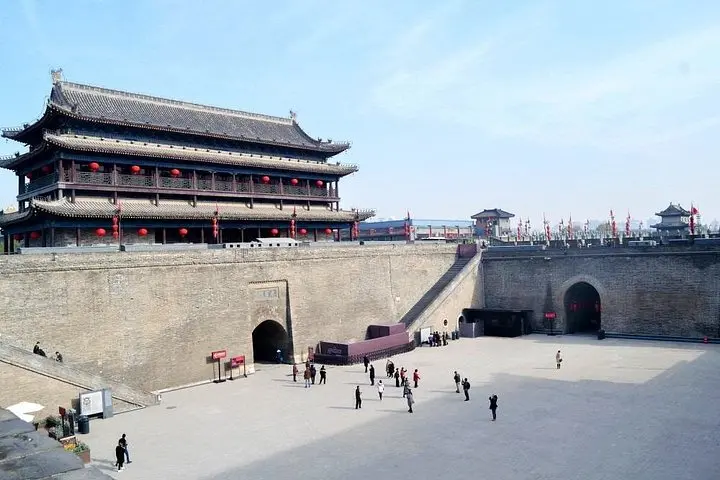
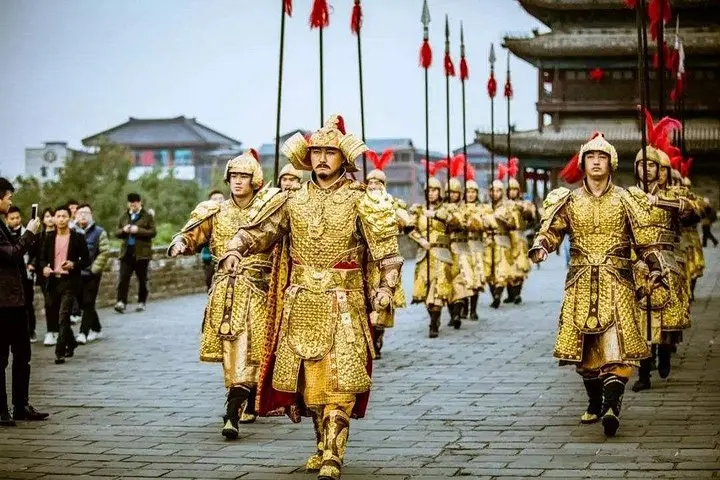
The site dates to the tomb complex of Qin Shi Huang (c. 210 BC), the first emperor to unify China. The pits reveal large-scale funerary engineering: fired-clay soldiers, horses, and chariots arranged by rank and function; nearby loess plains and the Wei River valley explain why the region supported such an early, dense civilization. In Xi’an proper, the Muslim Quarter and the Ancient City Wall reveal Tang and later urban layers — a working city built atop millennia of trade, food, and ritual.
Expect a day paced around flights and museum time: 9–11 hours door-to-door if you return to Guangzhou. The tour balances interpretive stops — guided walkthroughs of the excavation pits and a walkable city-center stop — with practical logistics: airport transfers, entrance fees, and a local lunch. Bring comfortable walking shoes for packed earth and museum platforms, dress in layers for sudden shifts between air-conditioned terminals and exposed outdoor ruins, and allow time for security and ticketing. The experience rewards patience: history laid out at human scale, and a chance to leave the city’s bustle for an encounter with an empire’s shadow.
Yes — a current valid passport is required at booking and must be presented on the day for flight and ticket reservations.
Yes, entrance fees to the Terracotta Warriors and the city wall are included in the tour package as described.
Yes — the itinerary can be adjusted to leave you in Xi’an or return to Guangzhou depending on the booking option you choose.
Expect several hours of walking across the museum complex, viewing platforms, and a short city-center stroll; moderate physical fitness is advised.
Sunny Private Tours operates guided outdoor trips and adventures with an emphasis on safety, stewardship, and memorable experiences.
You step off a short domestic flight into northern China’s low, loamy air and feel the city’s scale change — Xi’an’s flat plain opens out beneath a low, broad sky. A private driver slides you past modern arrivals toward an earthen site where rows of life-size figures stand in ordered silence. The Terracotta Warriors greet visitors with the weight of centuries, faces frozen in the moment of imperial command.
You step off a short domestic flight into northern China’s low, loamy air and feel the city’s scale change — Xi’an’s flat plain opens out beneath a low, broad sky. A private driver slides you past modern arrivals toward an earthen site where rows of life-size figures stand in ordered silence. The Terracotta Warriors greet visitors with the weight of centuries, faces frozen in the moment of imperial command.
The site dates to the tomb complex of Qin Shi Huang (c. 210 BC), the first emperor to unify China. The pits reveal large-scale funerary engineering: fired-clay soldiers, horses, and chariots arranged by rank and function; nearby loess plains and the Wei River valley explain why the region supported such an early, dense civilization. In Xi’an proper, the Muslim Quarter and the Ancient City Wall reveal Tang and later urban layers — a working city built atop millennia of trade, food, and ritual.
Expect a day paced around flights and museum time: 9–11 hours door-to-door if you return to Guangzhou. The tour balances interpretive stops — guided walkthroughs of the excavation pits and a walkable city-center stop — with practical logistics: airport transfers, entrance fees, and a local lunch. Bring comfortable walking shoes for packed earth and museum platforms, dress in layers for sudden shifts between air-conditioned terminals and exposed outdoor ruins, and allow time for security and ticketing. The experience rewards patience: history laid out at human scale, and a chance to leave the city’s bustle for an encounter with an empire’s shadow.