THE ADVENTURE COLLECTIVE® · Independent discovery and booking for outdoor travel

Walk through Florence’s Oltrarno to sample artisan bottegas, then don an apron for a semi-private cooking class where you’ll learn pasta, sauces and Tuscan pairings from a professional chef. Ideal for food lovers who want history, hands-on technique and local wines.
Walk through Florence’s Oltrarno to sample artisan bottegas, then don an apron for a semi-private cooking class where you’ll learn pasta, sauces and Tuscan pairings from a professional chef. Ideal for food lovers who want history, hands-on technique and local wines.
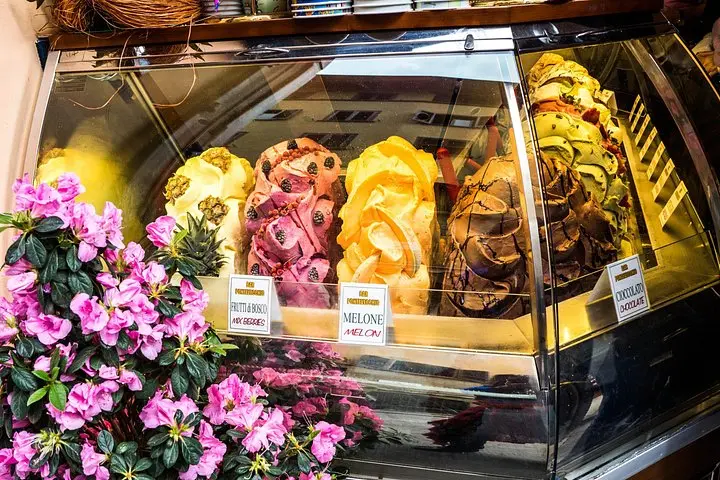
Morning light slides across the Arno and the Oltrarno’s shuttered bottegas begin to hum: a stall of pecorino, a butcher arranging cured meats, a spice-scented doorway where oregano and citrus hang. This semi-private experience starts on foot—guided through narrow lanes and past centuries-old shops—then moves into a Florentine kitchen where aprons, wooden spoons and a local chef await.
Verified experiences and guided adventures in the surrounding area.
Operated by Star Europe Tours · Florence, Tuscany
Morning light slides across the Arno and the Oltrarno’s shuttered bottegas begin to hum: a stall of pecorino, a butcher arranging cured meats, a spice-scented doorway where oregano and citrus hang. This semi-private experience starts on foot—guided through narrow lanes and past centuries-old shops—then moves into a Florentine kitchen where aprons, wooden spoons and a local chef await.
Florence’s food culture grew from Medici-era markets and artisan workshops; the bottegas here are living descendants of that trade system, many family-run for generations. Geology matters too: the Tuscan hills around Florence yield olive oil and Sangiovese grapes, and those terraces shape the seasonal produce you'll taste and cook with. Cultural notes: Oltrarno is the craftsmen’s quarter—expect hands-on techniques rooted in regional tradition rather than modern shortcuts.
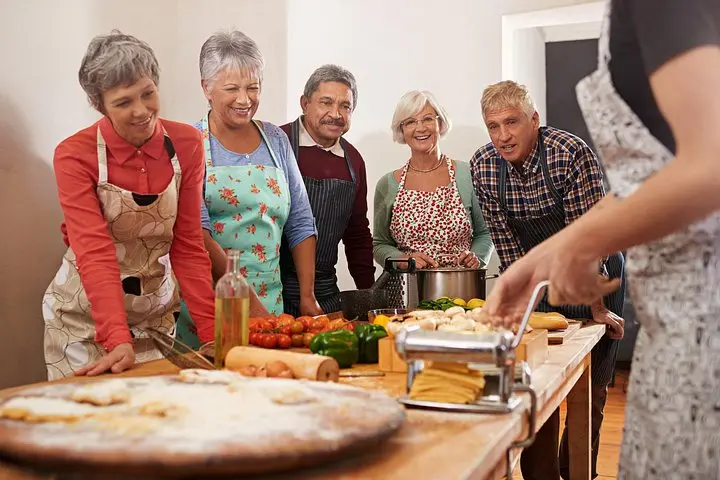
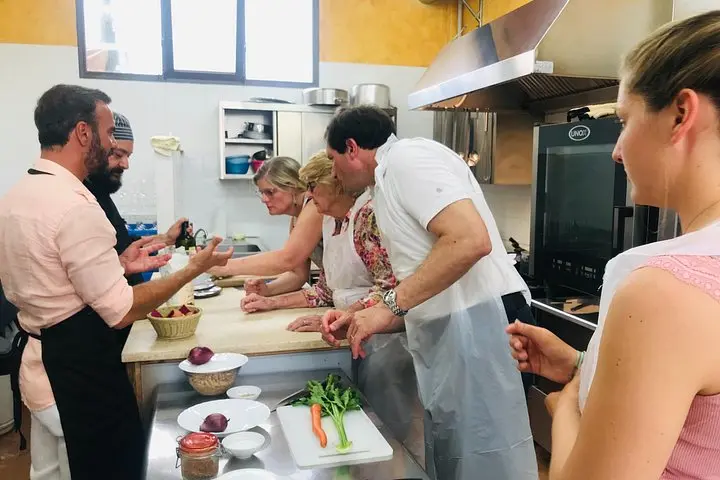
Practical guidance is straightforward. You’ll walk short distances on cobbles and stand for cooking segments, so wear closed-toe shoes and bring a light layer for riverside breezes. The class covers making fresh pasta, sauces, a dessert and wine pairings; no advanced skills required, but attention and appetite help. Inform hosts of allergies in advance; recipe booklets and a Florence guidebook are included so you can replicate dishes at home.
Final takeaway: this is part walking tour, part kitchen lab—perfect for travelers who want tactile, local learning paired with tastes and stories of Tuscan life.
Yes; the chef tailors instruction for mixed skill levels and the focus is on traditional techniques anyone can follow.
Yes—notify at booking and again at the start; hosts will adapt recipes where possible but severe allergies should be communicated in advance.
The walking portion is short—mainly between bottegas in Oltrarno on cobbled streets—followed by the hands-on kitchen session.
Tuscan wine pairings and tastings described in the itinerary are included as part of the experience.
Star Europe Tours operates guided outdoor trips and adventures with an emphasis on safety, stewardship, and memorable experiences.
Morning light slides across the Arno and the Oltrarno’s shuttered bottegas begin to hum: a stall of pecorino, a butcher arranging cured meats, a spice-scented doorway where oregano and citrus hang. This semi-private experience starts on foot—guided through narrow lanes and past centuries-old shops—then moves into a Florentine kitchen where aprons, wooden spoons and a local chef await.
Morning light slides across the Arno and the Oltrarno’s shuttered bottegas begin to hum: a stall of pecorino, a butcher arranging cured meats, a spice-scented doorway where oregano and citrus hang. This semi-private experience starts on foot—guided through narrow lanes and past centuries-old shops—then moves into a Florentine kitchen where aprons, wooden spoons and a local chef await.
Florence’s food culture grew from Medici-era markets and artisan workshops; the bottegas here are living descendants of that trade system, many family-run for generations. Geology matters too: the Tuscan hills around Florence yield olive oil and Sangiovese grapes, and those terraces shape the seasonal produce you'll taste and cook with. Cultural notes: Oltrarno is the craftsmen’s quarter—expect hands-on techniques rooted in regional tradition rather than modern shortcuts.
Practical guidance is straightforward. You’ll walk short distances on cobbles and stand for cooking segments, so wear closed-toe shoes and bring a light layer for riverside breezes. The class covers making fresh pasta, sauces, a dessert and wine pairings; no advanced skills required, but attention and appetite help. Inform hosts of allergies in advance; recipe booklets and a Florence guidebook are included so you can replicate dishes at home.
Final takeaway: this is part walking tour, part kitchen lab—perfect for travelers who want tactile, local learning paired with tastes and stories of Tuscan life.