THE ADVENTURE COLLECTIVE® · Independent discovery and booking for outdoor travel

Shop a neighborhood market with a chef, then make and eat a three-course pasta meal in Oltrarno. This small-group class uses seasonal produce to shape the menu—perfect for food lovers who want practical technique and local context.
Shop a neighborhood market with a chef, then make and eat a three-course pasta meal in Oltrarno. This small-group class uses seasonal produce to shape the menu—perfect for food lovers who want practical technique and local context.
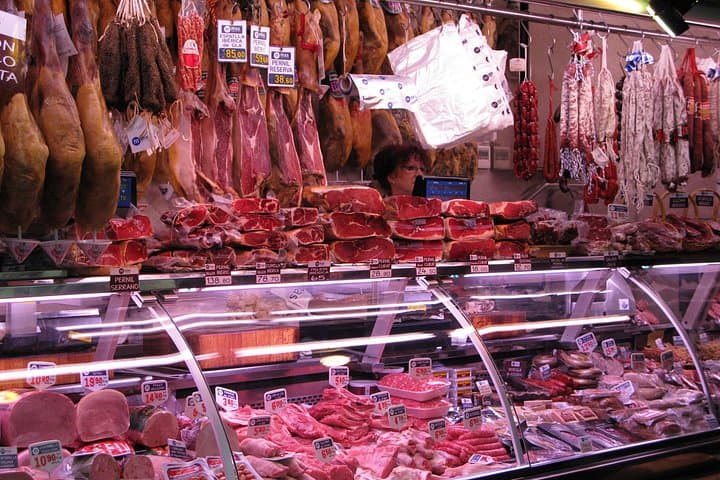
A narrow lane opens onto an early-morning market stall: tomatoes still cool from the night, herbs bundled and bright, and the Arno glinting a few blocks away. In Oltrarno, the city’s quieter side, a small group moves from stall to stall, guided by a chef who treats the market like a seasonal script. The menu is not printed; it is chosen that morning by what looks best and what the market recommends.
Verified experiences and guided adventures in the surrounding area.
Operated by Chef Vary · Florence, Tuscany
A narrow lane opens onto an early-morning market stall: tomatoes still cool from the night, herbs bundled and bright, and the Arno glinting a few blocks away. In Oltrarno, the city’s quieter side, a small group moves from stall to stall, guided by a chef who treats the market like a seasonal script. The menu is not printed; it is chosen that morning by what looks best and what the market recommends.
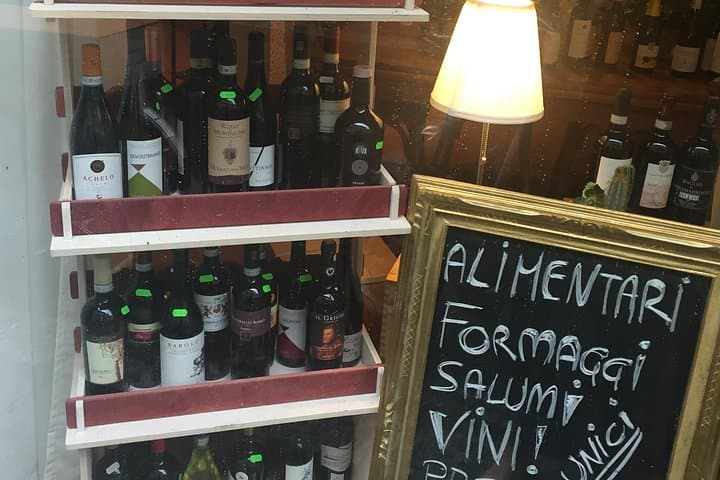
Florence’s food culture grows from its Renaissance streets and peasant-to-table Tuscan roots. Oltrarno, historically home to artisans and workshops, still hums with craft—now applied to charcuterie, cheeses, and hand-rolled pasta. Geology matters here too: the Arno valley’s soils and Mediterranean microclimate shape the tomatoes, beans, and flour that define Tuscan cooking.
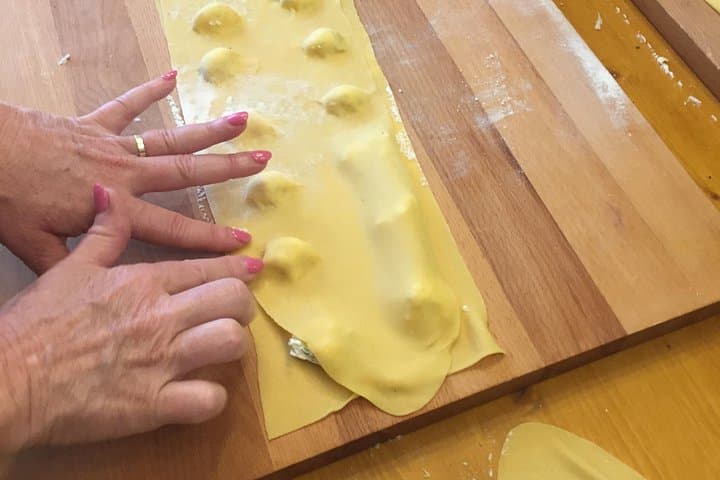
Expect a practical, hands-on session: a market tour, a five-minute walk to a professional kitchen, then apron on and knives out. Classes accommodate 10–12 guests; under the chef’s direction you make fresh pasta shapes—ravioli, tagliatelle, gnocchi—then sit down to a three-course pasta meal with wine pairings. The lesson emphasizes seasonal choices, basic dough technique, and plating.
Plan practicalities: wear comfortable shoes and smart-casual clothes, secure long hair, and declare dietary needs in advance. Bring a small day pack for market purchases and a reusable bag to support local vendors. The experience is as much about learning technique as it is about learning how a city’s market rhythm dictates what ends up on your plate.
The full experience is about 4 hours: a market visit followed by a hands-on cooking class and a three-course meal with wine pairings.
Yes—vegetarian options are available; advise specific dietary requirements at booking. Gluten-free or certain exclusions may not be possible due to cross-contamination.
Classes are small, limited to around 10–12 participants to ensure hands-on instruction.
Yes, the itinerary includes wine with the meal and sometimes a small tasting during the class.
Chef Vary operates guided outdoor trips and adventures with an emphasis on safety, stewardship, and memorable experiences.

A narrow lane opens onto an early-morning market stall: tomatoes still cool from the night, herbs bundled and bright, and the Arno glinting a few blocks away. In Oltrarno, the city’s quieter side, a small group moves from stall to stall, guided by a chef who treats the market like a seasonal script. The menu is not printed; it is chosen that morning by what looks best and what the market recommends.
A narrow lane opens onto an early-morning market stall: tomatoes still cool from the night, herbs bundled and bright, and the Arno glinting a few blocks away. In Oltrarno, the city’s quieter side, a small group moves from stall to stall, guided by a chef who treats the market like a seasonal script. The menu is not printed; it is chosen that morning by what looks best and what the market recommends.
Florence’s food culture grows from its Renaissance streets and peasant-to-table Tuscan roots. Oltrarno, historically home to artisans and workshops, still hums with craft—now applied to charcuterie, cheeses, and hand-rolled pasta. Geology matters here too: the Arno valley’s soils and Mediterranean microclimate shape the tomatoes, beans, and flour that define Tuscan cooking.
Expect a practical, hands-on session: a market tour, a five-minute walk to a professional kitchen, then apron on and knives out. Classes accommodate 10–12 guests; under the chef’s direction you make fresh pasta shapes—ravioli, tagliatelle, gnocchi—then sit down to a three-course pasta meal with wine pairings. The lesson emphasizes seasonal choices, basic dough technique, and plating.
Plan practicalities: wear comfortable shoes and smart-casual clothes, secure long hair, and declare dietary needs in advance. Bring a small day pack for market purchases and a reusable bag to support local vendors. The experience is as much about learning technique as it is about learning how a city’s market rhythm dictates what ends up on your plate.