THE ADVENTURE COLLECTIVE® · Independent discovery and booking for outdoor travel

Walk Florence’s central market with a guide, then transform market finds into a four-course pasta meal at Mama Florence Cooking School. This combined market-and-cooking experience pairs hands-on technique with regional tasting and wine.
Walk Florence’s central market with a guide, then transform market finds into a four-course pasta meal at Mama Florence Cooking School. This combined market-and-cooking experience pairs hands-on technique with regional tasting and wine.
Morning light finds the San Lorenzo market already humming: vendors call prices, citrus perfumes the air, and stacks of pecorino and prosciutto form tidy, pungent displays. Your guide leads you through lanes of seasonal produce, pointing out Tuscan olive varieties and local salumi before the group moves across the Arno to San Frediano’s Mama Florence kitchen.
Verified experiences and guided adventures in the surrounding area.
Operated by MaMa Florence Cooking School · Florence, Tuscany
Morning light finds the San Lorenzo market already humming: vendors call prices, citrus perfumes the air, and stacks of pecorino and prosciutto form tidy, pungent displays. Your guide leads you through lanes of seasonal produce, pointing out Tuscan olive varieties and local salumi before the group moves across the Arno to San Frediano’s Mama Florence kitchen.
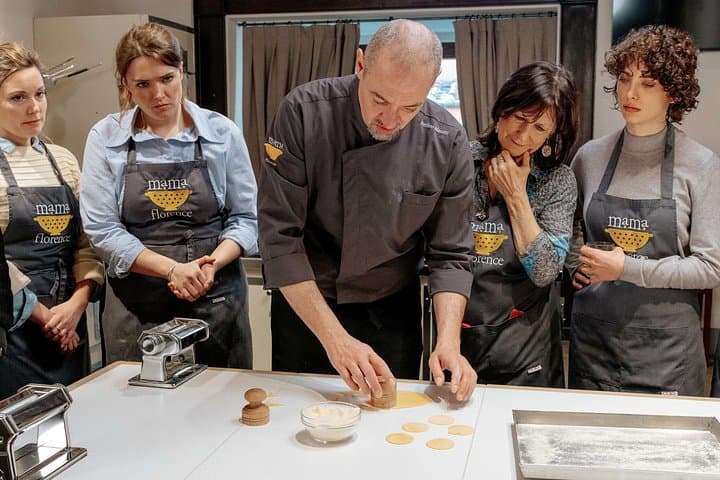
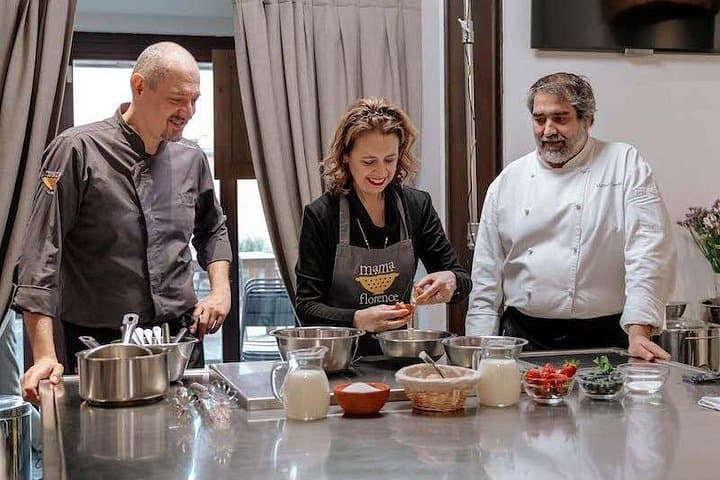
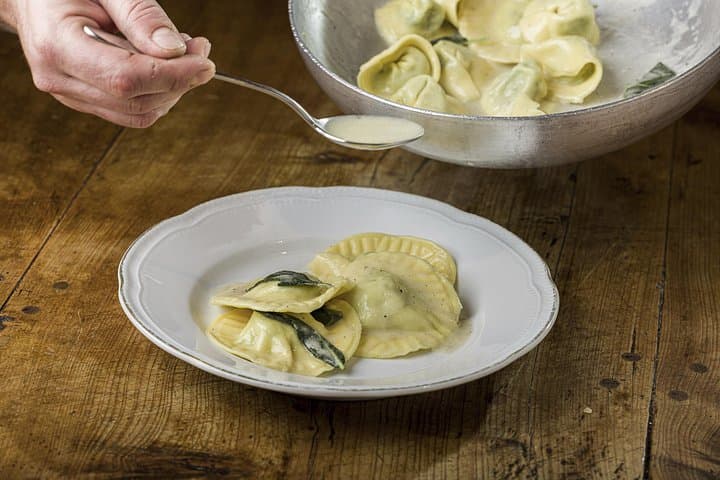
Florence’s central market grew into its role during the 19th century as the city organized food supply from nearby farms; the rhythms you see—daily deliveries, stallholder banter—are an extension of that agricultural hinterland. The Arno valley and Tuscan hills define ingredients here: wheat for pasta, robust olives, and heritage tomatoes. What follows is hands-on and communal: under an English-speaking chef you’ll knead dough, roll tagliatelle, pin ravioli, and build seasonal sauces, then sit down to a four-course meal paired with Prosecco and local wines.
Expect practical, tactile learning—long stretches of standing, flour on the counter, and attention to technique rather than spectacle. The market walk adds context: why that pecorino, which olive oil suits a simple sauce, how Tuscan flavors are pared back to highlight quality.
Plan to arrive with allergy info confirmed, wear comfortable shoes for cobbled streets, and bring a small bag for purchases. The class runs roughly 4–5 hours including the market stroll; it’s social and beginner-friendly, but postures and a few stair steps make light mobility a plus. Leave room in your itinerary to stroll Oltrarno afterward—Florence tastes best when you’ve made something with your own hands.
Yes—many dishes use seasonal vegetables and cheese; notify dietary needs in advance so the kitchen can adapt recipes where possible.
The chef and guide provide instruction in English for this tour and class.
Expect a short, easy market walk on cobblestones (about 10–20 minutes) followed by standing during the cooking session; minimal walking overall.
Children are generally welcome, but check age limits and ensure they can follow kitchen safety rules—stove use and knife work are supervised.
MaMa Florence Cooking School operates guided outdoor trips and adventures with an emphasis on safety, stewardship, and memorable experiences.
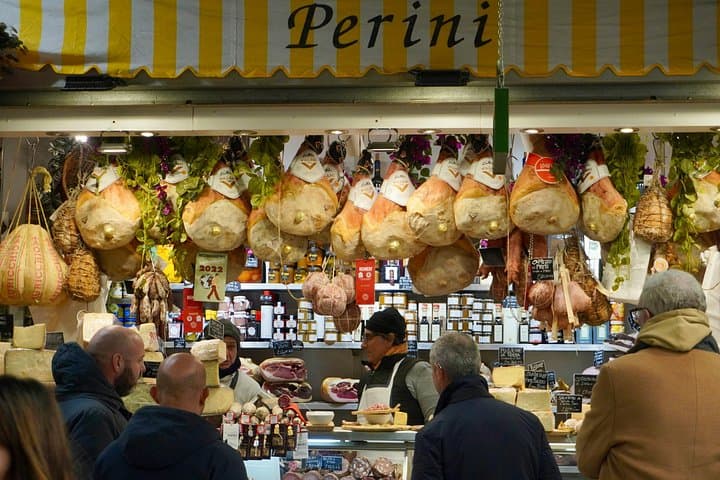
Morning light finds the San Lorenzo market already humming: vendors call prices, citrus perfumes the air, and stacks of pecorino and prosciutto form tidy, pungent displays. Your guide leads you through lanes of seasonal produce, pointing out Tuscan olive varieties and local salumi before the group moves across the Arno to San Frediano’s Mama Florence kitchen.
Morning light finds the San Lorenzo market already humming: vendors call prices, citrus perfumes the air, and stacks of pecorino and prosciutto form tidy, pungent displays. Your guide leads you through lanes of seasonal produce, pointing out Tuscan olive varieties and local salumi before the group moves across the Arno to San Frediano’s Mama Florence kitchen.
Florence’s central market grew into its role during the 19th century as the city organized food supply from nearby farms; the rhythms you see—daily deliveries, stallholder banter—are an extension of that agricultural hinterland. The Arno valley and Tuscan hills define ingredients here: wheat for pasta, robust olives, and heritage tomatoes. What follows is hands-on and communal: under an English-speaking chef you’ll knead dough, roll tagliatelle, pin ravioli, and build seasonal sauces, then sit down to a four-course meal paired with Prosecco and local wines.
Expect practical, tactile learning—long stretches of standing, flour on the counter, and attention to technique rather than spectacle. The market walk adds context: why that pecorino, which olive oil suits a simple sauce, how Tuscan flavors are pared back to highlight quality.
Plan to arrive with allergy info confirmed, wear comfortable shoes for cobbled streets, and bring a small bag for purchases. The class runs roughly 4–5 hours including the market stroll; it’s social and beginner-friendly, but postures and a few stair steps make light mobility a plus. Leave room in your itinerary to stroll Oltrarno afterward—Florence tastes best when you’ve made something with your own hands.