THE ADVENTURE COLLECTIVE® · Independent discovery and booking for outdoor travel

Board a train from Florence for a guided six-hour visit to Pisa’s Piazza dei Miracoli. Climb the Leaning Tower, explore the Duomo and Baptistery, and learn the history and geology behind one of Italy’s most photographed squares.
Board a train from Florence for a guided six-hour visit to Pisa’s Piazza dei Miracoli. Climb the Leaning Tower, explore the Duomo and Baptistery, and learn the history and geology behind one of Italy’s most photographed squares.
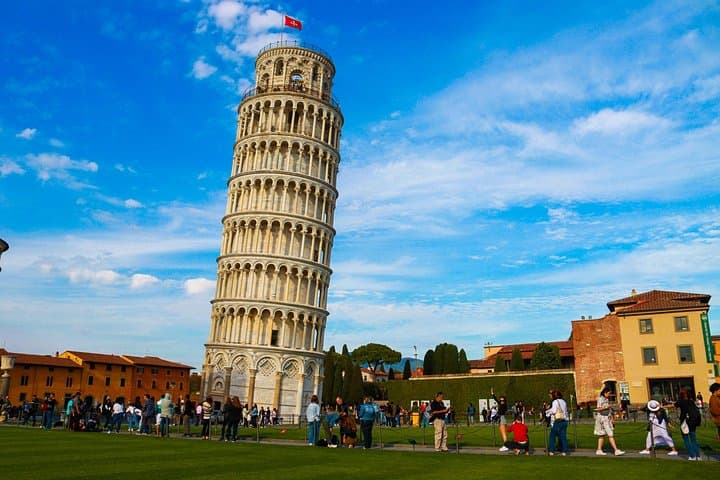
The train whistles out of Firenze Santa Maria Novella and the Tuscan countryside unfurls: olive groves, low hills, and the distant Arno threading toward the sea. An hour later you step into Piazza dei Miracoli, where white marble rises and the Leaning Tower leans with a casual, stubborn grace.
Verified experiences and guided adventures in the surrounding area.
Operated by alpinetourismo.eu · Pisa, Tuscany
The train whistles out of Firenze Santa Maria Novella and the Tuscan countryside unfurls: olive groves, low hills, and the distant Arno threading toward the sea. An hour later you step into Piazza dei Miracoli, where white marble rises and the Leaning Tower leans with a casual, stubborn grace.
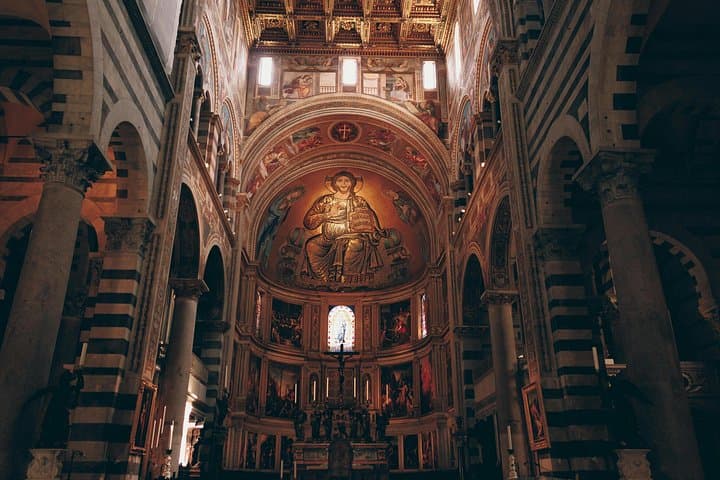
This compact cluster of monuments—Duomo, Baptistery, Campanile and the Camposanto—captures centuries of Pisan ambition. Once a maritime republic, Pisa’s wealth after the 11th century funded Romanesque façades and ornate mosaics; the tower’s tilt is a geological story of alluvial, compressible soil beneath the Arno floodplain, not architectural hubris. Inside the Duomo, gold mosaics and a resonant nave speak to medieval liturgy; the Baptistery still surprises with its acoustic flourish. The Camposanto’s fresco fragments remind visitors how fragile cultural heritage can be.
On a guided day trip by train from Florence, expect about six hours total: travel time, guided time in the piazza, and a relaxed lunch sampling Tuscan flavors. Practicalities matter—book tower-climb tickets in advance if included, wear shoes for narrow spiral steps (the tower has roughly 294 steps), and carry water; many sites have limited shade. Morning departures dodge the largest cruise-ship crowds and the midday sun. Accessibility is mixed—ramps and elevators are limited, and climbing the Campanile requires moderate mobility. Bring ID, follow conservation rules inside monuments, and leave time to wander Borgo Stretto or the Lungarno for espresso before you return to Florence.
Regional trains take about 50–60 minutes each way; allow additional time for transfers and walking to the piazza.
Yes—climb is permitted with a timed ticket and involves about 294 narrow, uneven steps; it's not recommended for those with serious heart, back, or mobility issues.
This tour notes entrance fees and lunch as included; confirm at booking whether tower entry is part of the package and if lunch has dietary options.
The piazza is stroller-accessible in flat areas, but monument interiors and the tower are not friendly to strollers—infants and small children may need carriers for stairs.
alpinetourismo.eu operates guided outdoor trips and adventures with an emphasis on safety, stewardship, and memorable experiences.


The train whistles out of Firenze Santa Maria Novella and the Tuscan countryside unfurls: olive groves, low hills, and the distant Arno threading toward the sea. An hour later you step into Piazza dei Miracoli, where white marble rises and the Leaning Tower leans with a casual, stubborn grace.
The train whistles out of Firenze Santa Maria Novella and the Tuscan countryside unfurls: olive groves, low hills, and the distant Arno threading toward the sea. An hour later you step into Piazza dei Miracoli, where white marble rises and the Leaning Tower leans with a casual, stubborn grace.
This compact cluster of monuments—Duomo, Baptistery, Campanile and the Camposanto—captures centuries of Pisan ambition. Once a maritime republic, Pisa’s wealth after the 11th century funded Romanesque façades and ornate mosaics; the tower’s tilt is a geological story of alluvial, compressible soil beneath the Arno floodplain, not architectural hubris. Inside the Duomo, gold mosaics and a resonant nave speak to medieval liturgy; the Baptistery still surprises with its acoustic flourish. The Camposanto’s fresco fragments remind visitors how fragile cultural heritage can be.
On a guided day trip by train from Florence, expect about six hours total: travel time, guided time in the piazza, and a relaxed lunch sampling Tuscan flavors. Practicalities matter—book tower-climb tickets in advance if included, wear shoes for narrow spiral steps (the tower has roughly 294 steps), and carry water; many sites have limited shade. Morning departures dodge the largest cruise-ship crowds and the midday sun. Accessibility is mixed—ramps and elevators are limited, and climbing the Campanile requires moderate mobility. Bring ID, follow conservation rules inside monuments, and leave time to wander Borgo Stretto or the Lungarno for espresso before you return to Florence.