THE ADVENTURE COLLECTIVE® · Independent discovery and booking for outdoor travel

Ride a RIB into Lysefjord and tackle the 4,444 wooden steps of Flørli—an industrial relic turned mountain test. This day trip combines high-speed water transit with a sustained, steep hike and sweeping fjord panoramas.
Ride a RIB into Lysefjord and tackle the 4,444 wooden steps of Flørli—an industrial relic turned mountain test. This day trip combines high-speed water transit with a sustained, steep hike and sweeping fjord panoramas.
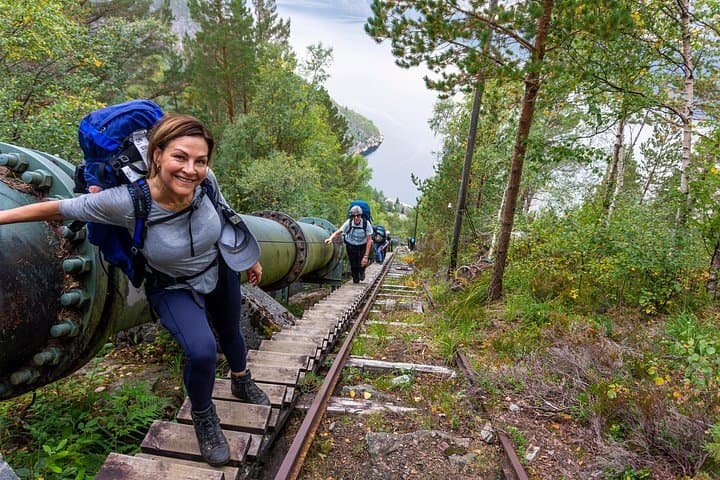
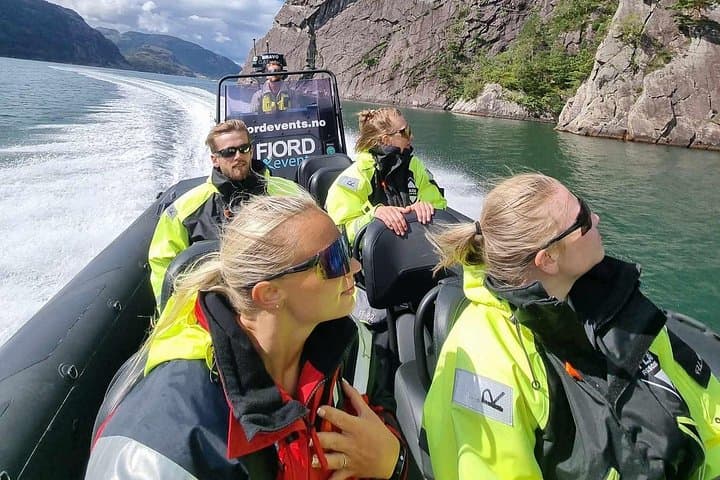
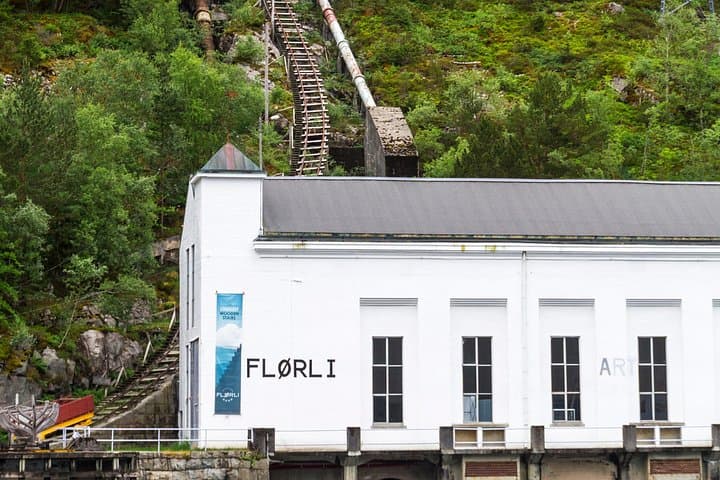
A RIB thunders away from Stavanger and the fjord opens like a cold, glinting throat. Wind pulls at jackets, spray dares to erase your view, and the cliffs of Lysefjord rise vertical and granite-cold. The boat slips into a narrower arm and the small village of Flørli appears: a string of weathered houses and a wooden stair that climbs the mountainside—4,444 steps carved for a hydroelectric plant, now the mountain’s measured challenge.
Verified experiences and guided adventures in the surrounding area.
Operated by FjordEvents AS · Flørli, Rogaland
A RIB thunders away from Stavanger and the fjord opens like a cold, glinting throat. Wind pulls at jackets, spray dares to erase your view, and the cliffs of Lysefjord rise vertical and granite-cold. The boat slips into a narrower arm and the small village of Flørli appears: a string of weathered houses and a wooden stair that climbs the mountainside—4,444 steps carved for a hydroelectric plant, now the mountain’s measured challenge.
The climb is part industrial history and part raw geology. The staircase follows a former maintenance route built in the early 20th century to service turbines and pipes; beneath it, gneiss and granite show how glaciers once scoured this channel. Locals speak of seasons by snowline and salmon runs; the fjord’s pulse is both maritime and mountain-born.
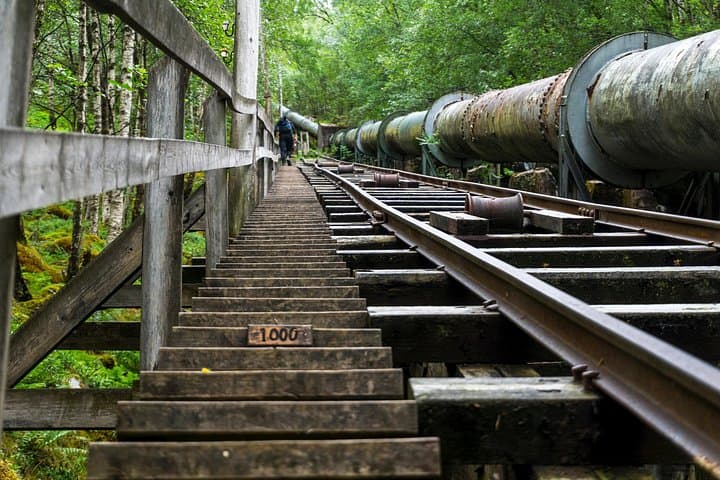
Expect steep, continuous ascent with uneven wooden risers, panoramic breaks where the fjord widens into mirror-black water, and the scent of wet stone and spruce. The return uses trail sections and singletrack with scree and boardwalks—sturdy footing is non-negotiable. The full outing runs most of a day: RIB transfer, time at Flørli, ascent and descent, and a boat back to Stavanger.
Practical notes: start early to avoid afternoon winds, carry 1.5–2 L water, and pack a warm, waterproof midlayer; sun and sea spray can alternate in minutes. This is a day for deliberate pacing—counting steps becomes a rhythm, and the fjord rewards steady effort with one of Norway’s most direct, relentless views.
RIB transfer to Flørli typically takes around 45–60 minutes depending on sea conditions and route.
Flørli has limited facilities; bring essentials and expect basic visitor services—plan accordingly.
Children under 14 must be accompanied by an adult; the climb is strenuous and requires supervision and fitness.
Operators may cancel for safety in high winds or rough seas; check cancellations policy and weather before departure.
FjordEvents AS operates guided outdoor trips and adventures with an emphasis on safety, stewardship, and memorable experiences.
A RIB thunders away from Stavanger and the fjord opens like a cold, glinting throat. Wind pulls at jackets, spray dares to erase your view, and the cliffs of Lysefjord rise vertical and granite-cold. The boat slips into a narrower arm and the small village of Flørli appears: a string of weathered houses and a wooden stair that climbs the mountainside—4,444 steps carved for a hydroelectric plant, now the mountain’s measured challenge.
A RIB thunders away from Stavanger and the fjord opens like a cold, glinting throat. Wind pulls at jackets, spray dares to erase your view, and the cliffs of Lysefjord rise vertical and granite-cold. The boat slips into a narrower arm and the small village of Flørli appears: a string of weathered houses and a wooden stair that climbs the mountainside—4,444 steps carved for a hydroelectric plant, now the mountain’s measured challenge.
The climb is part industrial history and part raw geology. The staircase follows a former maintenance route built in the early 20th century to service turbines and pipes; beneath it, gneiss and granite show how glaciers once scoured this channel. Locals speak of seasons by snowline and salmon runs; the fjord’s pulse is both maritime and mountain-born.
Expect steep, continuous ascent with uneven wooden risers, panoramic breaks where the fjord widens into mirror-black water, and the scent of wet stone and spruce. The return uses trail sections and singletrack with scree and boardwalks—sturdy footing is non-negotiable. The full outing runs most of a day: RIB transfer, time at Flørli, ascent and descent, and a boat back to Stavanger.
Practical notes: start early to avoid afternoon winds, carry 1.5–2 L water, and pack a warm, waterproof midlayer; sun and sea spray can alternate in minutes. This is a day for deliberate pacing—counting steps becomes a rhythm, and the fjord rewards steady effort with one of Norway’s most direct, relentless views.