THE ADVENTURE COLLECTIVE® · Independent discovery and booking for outdoor travel

Spend 90 minutes learning bouquet and dried-flower techniques with a local Roman florist. This hands-on workshop blends market-season sensibilities with practical instruction and a take-home creation.
Spend 90 minutes learning bouquet and dried-flower techniques with a local Roman florist. This hands-on workshop blends market-season sensibilities with practical instruction and a take-home creation.
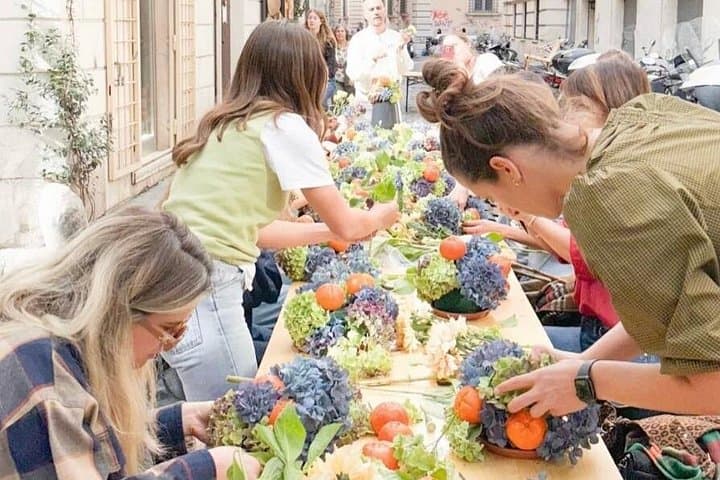
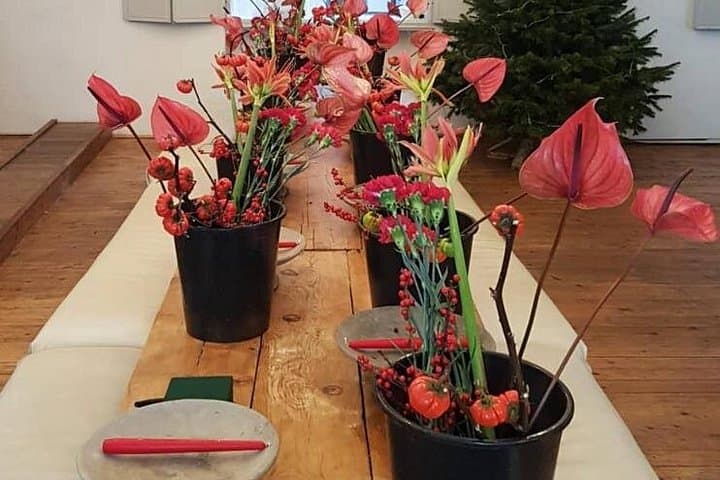
You step through a studio door an easy walk from Rome’s busiest piazzas and the room exhales herbs and cut stems—lemon verbena, eucalyptus, seasonal blooms arranged on wooden tables. Light from a narrow street window falls across shears and twine; a local florist introduces simple form and proportion, and the city’s rhythm moves outside like a distant chorus.
Verified experiences and guided adventures in the surrounding area.
Operated by Club Joy · Rome, Lazio
You step through a studio door an easy walk from Rome’s busiest piazzas and the room exhales herbs and cut stems—lemon verbena, eucalyptus, seasonal blooms arranged on wooden tables. Light from a narrow street window falls across shears and twine; a local florist introduces simple form and proportion, and the city’s rhythm moves outside like a distant chorus.
Floristry in Rome sits at the intersection of market trade and domestic ritual. Nearby markets such as Campo de’ Fiori have supplied neighborhoods with seasonal flowers since the 19th century; today’s workshops lean on those market rhythms—working with what’s local and in bloom. The studio’s materials will often reflect Roman seasons: ranunculus and tulips in spring, garden roses in summer, dried grasses in autumn, and structural branches in winter.
The session is practical and hands-on: instruction in choosing focal flowers, building a balanced bouquet or a dried composition, and finishing techniques to make arrangements last. Participants gain both craft and a small, portable piece of Roman practice—flowers as everyday ceremony rather than spectacle.
Practical notes: the class runs about 90 minutes and is suitable for all skill levels. Expect to stand for much of the time; bring a small box or bag to protect your creation for the walk back. Public transport is nearby, and most workshops accept small groups or private bookings. For the best experience, book ahead for weekend slots and note any allergies when reserving.
No—classes are designed for beginners and cover basics like choosing focal flowers, arranging, and finishing touches.
Yes; many workshops offer the choice between a fresh bouquet and a dried composition depending on materials for the day.
Workshops are typically led in English or Italian; confirm the language when booking if you require a specific option.
Full refunds are available if you cancel at least 24 hours before the scheduled start; last-minute cancellations are generally non-refundable.
Club Joy operates guided outdoor trips and adventures with an emphasis on safety, stewardship, and memorable experiences.
You step through a studio door an easy walk from Rome’s busiest piazzas and the room exhales herbs and cut stems—lemon verbena, eucalyptus, seasonal blooms arranged on wooden tables. Light from a narrow street window falls across shears and twine; a local florist introduces simple form and proportion, and the city’s rhythm moves outside like a distant chorus.
You step through a studio door an easy walk from Rome’s busiest piazzas and the room exhales herbs and cut stems—lemon verbena, eucalyptus, seasonal blooms arranged on wooden tables. Light from a narrow street window falls across shears and twine; a local florist introduces simple form and proportion, and the city’s rhythm moves outside like a distant chorus.
Floristry in Rome sits at the intersection of market trade and domestic ritual. Nearby markets such as Campo de’ Fiori have supplied neighborhoods with seasonal flowers since the 19th century; today’s workshops lean on those market rhythms—working with what’s local and in bloom. The studio’s materials will often reflect Roman seasons: ranunculus and tulips in spring, garden roses in summer, dried grasses in autumn, and structural branches in winter.
The session is practical and hands-on: instruction in choosing focal flowers, building a balanced bouquet or a dried composition, and finishing techniques to make arrangements last. Participants gain both craft and a small, portable piece of Roman practice—flowers as everyday ceremony rather than spectacle.
Practical notes: the class runs about 90 minutes and is suitable for all skill levels. Expect to stand for much of the time; bring a small box or bag to protect your creation for the walk back. Public transport is nearby, and most workshops accept small groups or private bookings. For the best experience, book ahead for weekend slots and note any allergies when reserving.