THE ADVENTURE COLLECTIVE® · Independent discovery and booking for outdoor travel

Spend an instructive day sight-fishing wild brown and rainbow trout within an hour of Te Anau with guide Matt Butler. This guided trip combines walk-and-wade rivercraft, casting coaching and local water knowledge for anglers wanting measurable improvement.
Spend an instructive day sight-fishing wild brown and rainbow trout within an hour of Te Anau with guide Matt Butler. This guided trip combines walk-and-wade rivercraft, casting coaching and local water knowledge for anglers wanting measurable improvement.
A cool dawn lifts off Lake Te Anau and the river ahead seems to breathe. You meet your guide at the accommodation, step into the van and drive less than an hour into broad gravel riverbeds and reed-lined braids. Matt Butler hunts visible trout—brown and rainbow—by sight, and his day is built around water you can read: seams that move, pockets that hold, riffles that dare you to place a fly precisely.
Verified experiences and guided adventures in the surrounding area.
Operated by Traveltruly · Te Anau, Southland
A cool dawn lifts off Lake Te Anau and the river ahead seems to breathe. You meet your guide at the accommodation, step into the van and drive less than an hour into broad gravel riverbeds and reed-lined braids. Matt Butler hunts visible trout—brown and rainbow—by sight, and his day is built around water you can read: seams that move, pockets that hold, riffles that dare you to place a fly precisely.
The rivers around Te Anau were carved by glaciers and fed by clear mountain streams; their terraces tell a story of ice, uplift and decades of angling since European settlement. Māori used the valleys for travel and food; today the region balances a high recreational value with fragile aquatic ecosystems. The fish itself—introduced in the 19th century—now defines a large slice of Fiordland’s angling culture.
Expect a pragmatic day: 3–8 km of walking and wading across gravel bars and shallow runs, modest elevation change (typically <100 m), and variable underfoot conditions. The guide provides rod, reel and flies; you’ll focus on sight fishing, improving casts, presentation and hookup technique. Timing matters—low light and steady drizzles often bring the most visible fish, while high sun pushes trout into shaded seams.
Practicalities: bring layered, quick-dry clothing, stout wading boots, snacks and a water bottle for the full eight-hour outing. A current fishing licence is required in New Zealand; biosecurity—clean boots and gear between waters—is essential. Whether you’re sharpening skills or ticking a South Island trout day, the trip balances instruction, local watercraft and the simple, precise work of reading moving water.
No—Matt supplies a rod, reel and flies; you can use your own gear if you prefer.
Yes—anglers must hold a current New Zealand angling licence (available online) before fishing.
Yes—beginners are welcome; the day focuses on improving casting and sight-fishing technique with hands-on coaching.
Trips may be cancelled for safety in bad weather—check cancellation policy (full refund if cancelled 24+ hours ahead) or confirm alternatives with the guide.
Traveltruly operates guided outdoor trips and adventures with an emphasis on safety, stewardship, and memorable experiences.
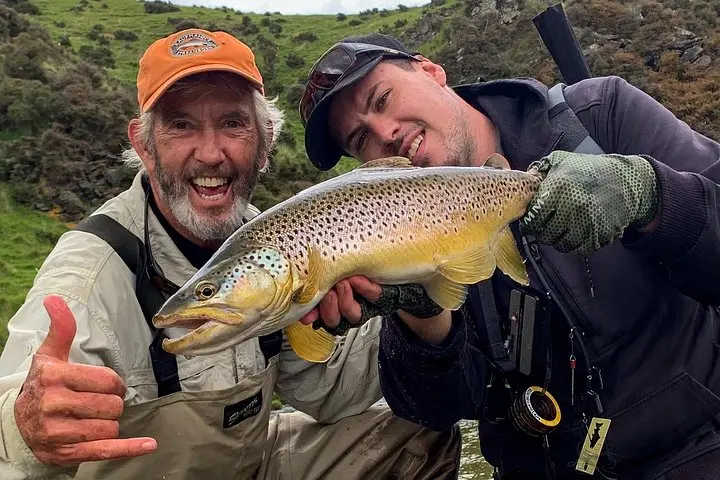
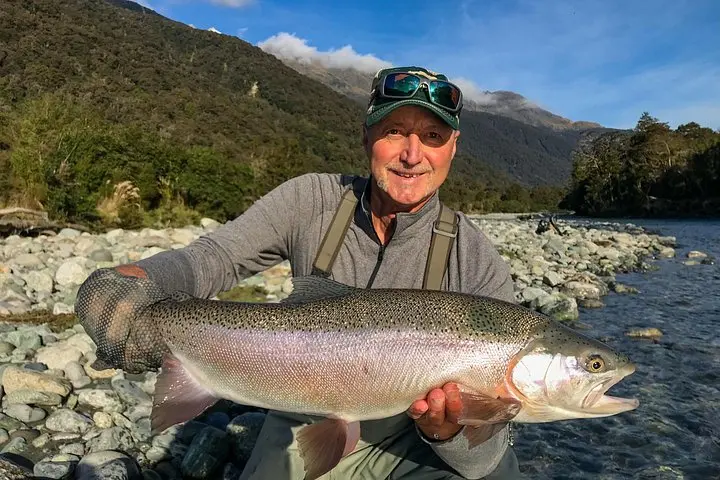
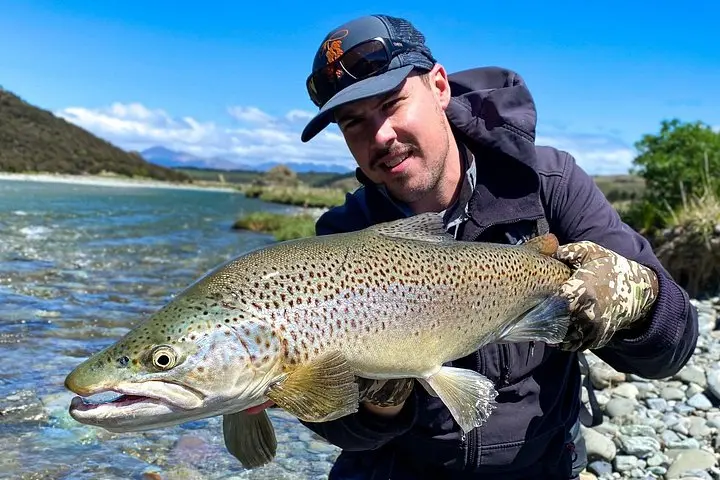
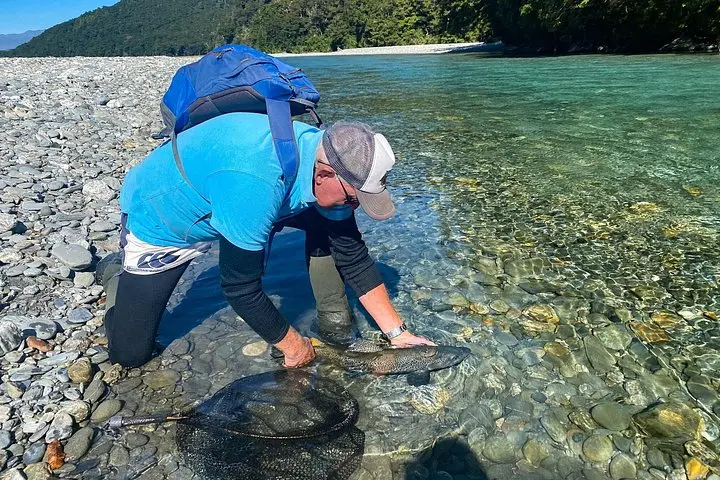
A cool dawn lifts off Lake Te Anau and the river ahead seems to breathe. You meet your guide at the accommodation, step into the van and drive less than an hour into broad gravel riverbeds and reed-lined braids. Matt Butler hunts visible trout—brown and rainbow—by sight, and his day is built around water you can read: seams that move, pockets that hold, riffles that dare you to place a fly precisely.
A cool dawn lifts off Lake Te Anau and the river ahead seems to breathe. You meet your guide at the accommodation, step into the van and drive less than an hour into broad gravel riverbeds and reed-lined braids. Matt Butler hunts visible trout—brown and rainbow—by sight, and his day is built around water you can read: seams that move, pockets that hold, riffles that dare you to place a fly precisely.
The rivers around Te Anau were carved by glaciers and fed by clear mountain streams; their terraces tell a story of ice, uplift and decades of angling since European settlement. Māori used the valleys for travel and food; today the region balances a high recreational value with fragile aquatic ecosystems. The fish itself—introduced in the 19th century—now defines a large slice of Fiordland’s angling culture.
Expect a pragmatic day: 3–8 km of walking and wading across gravel bars and shallow runs, modest elevation change (typically <100 m), and variable underfoot conditions. The guide provides rod, reel and flies; you’ll focus on sight fishing, improving casts, presentation and hookup technique. Timing matters—low light and steady drizzles often bring the most visible fish, while high sun pushes trout into shaded seams.
Practicalities: bring layered, quick-dry clothing, stout wading boots, snacks and a water bottle for the full eight-hour outing. A current fishing licence is required in New Zealand; biosecurity—clean boots and gear between waters—is essential. Whether you’re sharpening skills or ticking a South Island trout day, the trip balances instruction, local watercraft and the simple, precise work of reading moving water.