THE ADVENTURE COLLECTIVE® · Independent discovery and booking for outdoor travel

A three-day fly-in safari that shaves transit time and expands wildlife hours: Seronera’s predator-packed plains, an overnight at Ngorongoro Serena Lodge, and a crater descent in pursuit of rare black rhino. Ideal for travelers who want high-value game viewing without long road transfers.
A three-day fly-in safari that shaves transit time and expands wildlife hours: Seronera’s predator-packed plains, an overnight at Ngorongoro Serena Lodge, and a crater descent in pursuit of rare black rhino. Ideal for travelers who want high-value game viewing without long road transfers.
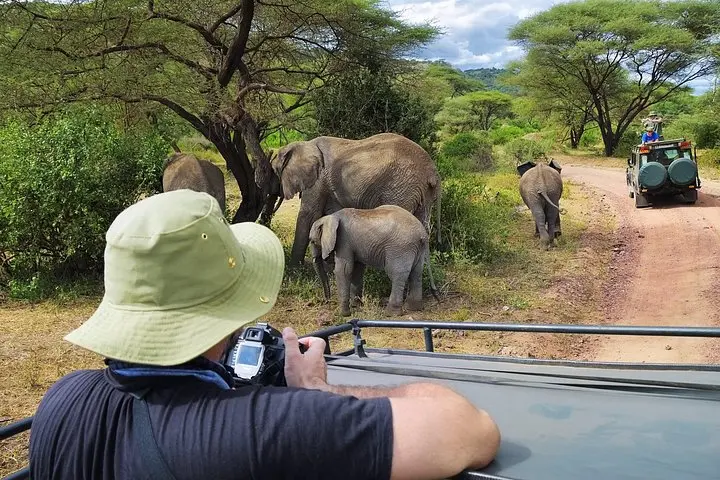
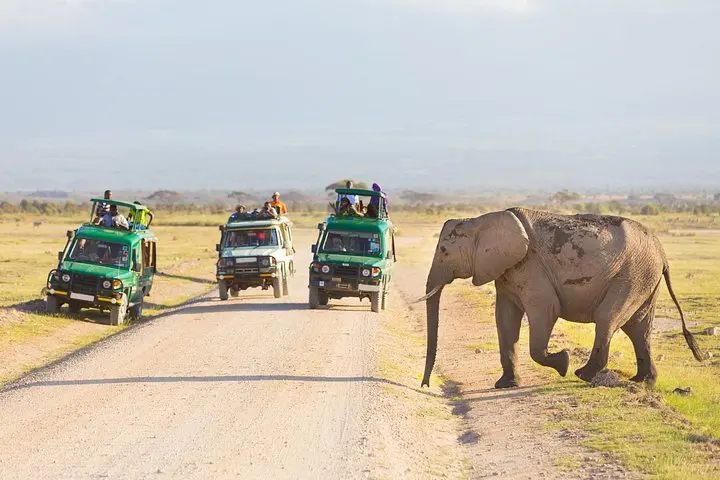
The aircraft drops you above a broken green sea: kopjes like dark islands, rivers sketching thin veins across a pale plain. You touch down at a grass airstrip, the door opens and the Serengeti’s noise—bird calls, distant hooves, the low rumble of something big—flows in. Over three days this fly-in itinerary compresses the great circuits of east Africa into sustained, close-up encounters: morning game drives that catch predators at work, long golden sunsets over Seronera, and a final descent into the Ngorongoro Crater where the floor gathers wildlife like a magnet.
Verified experiences and guided adventures in the surrounding area.
Operated by safari soles tours · Serengeti National Park, Mara Region
The aircraft drops you above a broken green sea: kopjes like dark islands, rivers sketching thin veins across a pale plain. You touch down at a grass airstrip, the door opens and the Serengeti’s noise—bird calls, distant hooves, the low rumble of something big—flows in. Over three days this fly-in itinerary compresses the great circuits of east Africa into sustained, close-up encounters: morning game drives that catch predators at work, long golden sunsets over Seronera, and a final descent into the Ngorongoro Crater where the floor gathers wildlife like a magnet.
Geology and history are part of the show. The Serengeti sits on ancient volcanic soils and a shallow bedrock that has shaped seasonal rivers and the open grasslands the wildebeest rely on. Ngorongoro is a collapsed caldera—one of the world’s largest intact craters—its rim a ring of highland forest that drops abruptly to a bowl where grazing animals are easier to sight and, if fortune permits, shy black rhino can be found.
Culture threads through the landscape. Maasai herders still move livestock across park boundaries; their red shukas and raised spears offer a human counterpoint to the wildlife. Scientific history sits nearby—Olduvai Gorge’s fossil beds testify to hominid discoveries that rewrote our past, and local guides often point out sites and stories that deepen a game drive into context.
Practically, the fly-in model is the trip’s advantage: scheduled charters minimize dusty road hours and maximize time with animals. Expect full-day drives from dawn—when cats are most active—to the long light of evening. Lodging on this trip ranges from Serengeti Safari Lodge to Ngorongoro Serena Lodge; camping equipment is listed as provided for options that include overnight camp logistics.
What to pack: neutral-colored layers, a telephoto lens or good binoculars, a compact rain jacket and sturdy walking shoes for crater edges and short hikes. Hydrate between drives—the sun is relentless at midday—and keep sunscreen and a wide-brim hat handy. Respect distances: guides uphold park rules for a reason; animals are both display and danger.
Timing matters: if your dates line up with the wildebeest migration corridor, you’ll see sweeping herds; off-peak visits deliver concentrated predator action in Seronera. Book morning flights and early game drives; that’s when the parks reveal the season’s best scenes.
In short, this three-day fly-in safari trades long drives for concentrated time in two of Tanzania’s most storied wild places: slow, careful viewing, expert guiding, and a chance—brief and electric—to watch the ecosystem move and hunt around you.
This is a three-day itinerary: daytime scheduled flight to Serengeti on day 1 with game drives to evening, full-day game drives on day 2, and a morning descent into Ngorongoro Crater on day 3 before return to Arusha.
The tour listing indicates meals (breakfast, lunch, dinner as specified) and 'All Fees and Taxes' are included; confirm specifics like park entry fees and any optional extras when booking.
The migration is seasonal and route-dependent; if your travel window aligns with regional migration timing you may see large herds—ask the operator about current movement forecasts.
Children can usually join; minimum age and vehicle seating rules vary—confirm age limits and safety seat availability with the supplier at booking.
Tanzania recommends routine vaccinations and may require yellow fever proof if arriving from infected areas; many visitors require a visa—check current health and entry requirements before travel.
The cancellation policy allows refunds depending on lead time and the operator may cancel for bad weather; confirm transfer contingencies and insurance options when you book.
safari soles tours operates guided outdoor trips and adventures with an emphasis on safety, stewardship, and memorable experiences.
The aircraft drops you above a broken green sea: kopjes like dark islands, rivers sketching thin veins across a pale plain. You touch down at a grass airstrip, the door opens and the Serengeti’s noise—bird calls, distant hooves, the low rumble of something big—flows in. Over three days this fly-in itinerary compresses the great circuits of east Africa into sustained, close-up encounters: morning game drives that catch predators at work, long golden sunsets over Seronera, and a final descent into the Ngorongoro Crater where the floor gathers wildlife like a magnet.
The aircraft drops you above a broken green sea: kopjes like dark islands, rivers sketching thin veins across a pale plain. You touch down at a grass airstrip, the door opens and the Serengeti’s noise—bird calls, distant hooves, the low rumble of something big—flows in. Over three days this fly-in itinerary compresses the great circuits of east Africa into sustained, close-up encounters: morning game drives that catch predators at work, long golden sunsets over Seronera, and a final descent into the Ngorongoro Crater where the floor gathers wildlife like a magnet.
Geology and history are part of the show. The Serengeti sits on ancient volcanic soils and a shallow bedrock that has shaped seasonal rivers and the open grasslands the wildebeest rely on. Ngorongoro is a collapsed caldera—one of the world’s largest intact craters—its rim a ring of highland forest that drops abruptly to a bowl where grazing animals are easier to sight and, if fortune permits, shy black rhino can be found.
Culture threads through the landscape. Maasai herders still move livestock across park boundaries; their red shukas and raised spears offer a human counterpoint to the wildlife. Scientific history sits nearby—Olduvai Gorge’s fossil beds testify to hominid discoveries that rewrote our past, and local guides often point out sites and stories that deepen a game drive into context.
Practically, the fly-in model is the trip’s advantage: scheduled charters minimize dusty road hours and maximize time with animals. Expect full-day drives from dawn—when cats are most active—to the long light of evening. Lodging on this trip ranges from Serengeti Safari Lodge to Ngorongoro Serena Lodge; camping equipment is listed as provided for options that include overnight camp logistics.
What to pack: neutral-colored layers, a telephoto lens or good binoculars, a compact rain jacket and sturdy walking shoes for crater edges and short hikes. Hydrate between drives—the sun is relentless at midday—and keep sunscreen and a wide-brim hat handy. Respect distances: guides uphold park rules for a reason; animals are both display and danger.
Timing matters: if your dates line up with the wildebeest migration corridor, you’ll see sweeping herds; off-peak visits deliver concentrated predator action in Seronera. Book morning flights and early game drives; that’s when the parks reveal the season’s best scenes.
In short, this three-day fly-in safari trades long drives for concentrated time in two of Tanzania’s most storied wild places: slow, careful viewing, expert guiding, and a chance—brief and electric—to watch the ecosystem move and hunt around you.