THE ADVENTURE COLLECTIVE® · Independent discovery and booking for outdoor travel

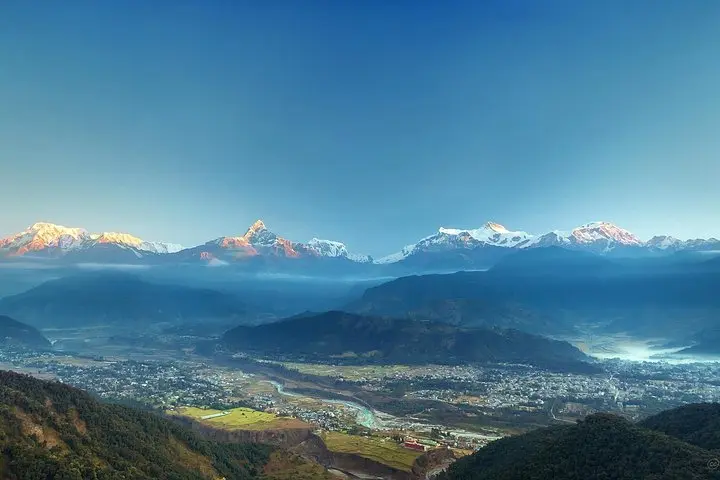
Launch from Sarangkot and hurtle 1.8 km toward Hyangja with panoramic views of Phewa Lake and the Annapurna range. This high-speed zipline pairs adrenaline with one of Nepal’s most direct mountain vistas — best timed for sunrise or clear morning weather.
Launch from Sarangkot and hurtle 1.8 km toward Hyangja with panoramic views of Phewa Lake and the Annapurna range. This high-speed zipline pairs adrenaline with one of Nepal’s most direct mountain vistas — best timed for sunrise or clear morning weather.
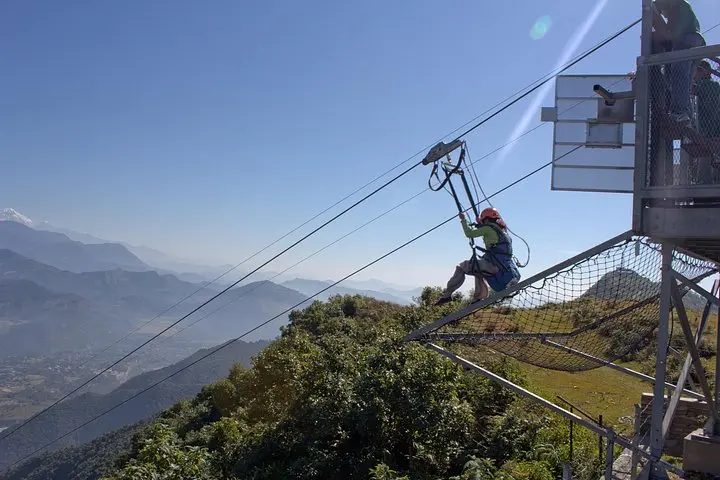
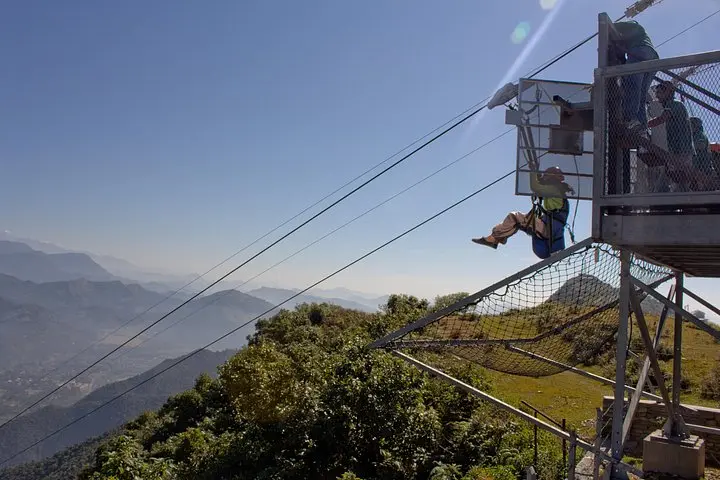
The launch platform at Sarangkot smells of cold metal and crushed pine. A last check of straps, a guide’s clipped command and then gravity takes over: you push off and the valley opens beneath you. For 1.8 kilometers the world narrows to the cable and the view — Phewa Lake glints like a coin, the Seti River threads the valley, and the jagged sweep of the Annapurna massif, including Machhapuchhre, hangs impossibly close on the horizon.
Verified experiences and guided adventures in the surrounding area.
Operated by Osho world Adventure · Pokhara, Gandaki Province
The launch platform at Sarangkot smells of cold metal and crushed pine. A last check of straps, a guide’s clipped command and then gravity takes over: you push off and the valley opens beneath you. For 1.8 kilometers the world narrows to the cable and the view — Phewa Lake glints like a coin, the Seti River threads the valley, and the jagged sweep of the Annapurna massif, including Machhapuchhre, hangs impossibly close on the horizon.
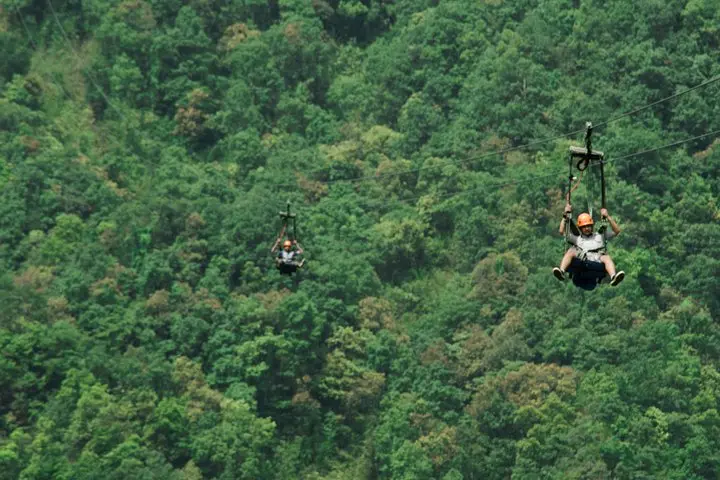
This is Pokhara’s Zipline, marketed as the tallest, longest and fastest in Nepal: a 56% incline with a vertical drop around 600 meters from Sarangkot (about 1,592 m / 5,400 ft). Riders are seated in special harnessed “flip” chairs and launched in pairs; it’s a race—two cables, two trajectories, and speeds the operator cites up to one hundred miles per hour for the fastest sections.
Sarangkot itself is a traditional village on the western rim of Pokhara Valley. Historically a lookout point and grazing ground for local Gurung and Magar communities, it has become synonymous with sunrise panoramas of the Annapurna range. The geology here is dramatic: steep river-cut valleys, uplifted thrust sheets, and glacially carved ridgelines that make the zipline’s verticality feel elemental.
Culturally the ride lands you in Hyangja, a quieter agricultural cluster where terraced fields rise from the valley floor. Guides and operators are often local; many zipline staff are from nearby villages, and the attraction channels tourist dollars into community incomes.
Practical notes: tours typically begin in Lakeside, Pokhara, with a 30–45 minute shuttle up to Sarangkot Top Station. Expect about 2–3 hours total (including pickup, safety briefing, and return); the on-cable transit itself lasts just minutes. The setup is family-friendly and rated suitable for a wide range of fitness levels, but the experience is high-adrenaline and not recommended for pregnant travelers.
Timing matters. Sunrise launches are theater — the light slices across Annapurna and reduces crowds, while mid-morning runs offer clearer views on good-weather days. Monsoon season (June–August) brings low clouds and interruptions; operators may reschedule. Dress in layers, secure loose items, and leave smartphones in a secured pocket if you’re not using an approved harness-mounted camera.
Safety is emphasized: double-checked harnesses, redundant braking, and trained staff. Still, check operator credentials, ask about inspection logs, and confirm weight limits and health restrictions before booking.
If you want both speed and scenery, the Sarangkot zipline delivers. It compresses the region’s topography — lake, forest, river and Himalayan skyline — into a few lucid, airborne minutes that feel part-race, part-panorama. For many visitors, it’s the clearest way to understand Pokhara’s vertical character.
The cable run totals about 1.8 kilometers with a vertical drop of roughly 600 meters; the descent takes only a few minutes.
Limits vary by operator; most allow children above a minimum height and have upper weight restrictions — check at booking and on arrival.
No technical experience is required; staff fit harnesses and run safety briefings for first-timers.
Yes — most tours include Lakeside hotel pickup; schedules typically request you be ready an hour before departure.
Operators may reschedule or cancel in high winds or heavy rain; confirm the 24-hour cancellation policy and plan flexibly during monsoon season.
Handheld phones are discouraged due to risk of dropping; many operators offer photo packages or allow action-cam mounts upon request.
Osho world Adventure operates guided outdoor trips and adventures with an emphasis on safety, stewardship, and memorable experiences.
The launch platform at Sarangkot smells of cold metal and crushed pine. A last check of straps, a guide’s clipped command and then gravity takes over: you push off and the valley opens beneath you. For 1.8 kilometers the world narrows to the cable and the view — Phewa Lake glints like a coin, the Seti River threads the valley, and the jagged sweep of the Annapurna massif, including Machhapuchhre, hangs impossibly close on the horizon.
The launch platform at Sarangkot smells of cold metal and crushed pine. A last check of straps, a guide’s clipped command and then gravity takes over: you push off and the valley opens beneath you. For 1.8 kilometers the world narrows to the cable and the view — Phewa Lake glints like a coin, the Seti River threads the valley, and the jagged sweep of the Annapurna massif, including Machhapuchhre, hangs impossibly close on the horizon.
This is Pokhara’s Zipline, marketed as the tallest, longest and fastest in Nepal: a 56% incline with a vertical drop around 600 meters from Sarangkot (about 1,592 m / 5,400 ft). Riders are seated in special harnessed “flip” chairs and launched in pairs; it’s a race—two cables, two trajectories, and speeds the operator cites up to one hundred miles per hour for the fastest sections.
Sarangkot itself is a traditional village on the western rim of Pokhara Valley. Historically a lookout point and grazing ground for local Gurung and Magar communities, it has become synonymous with sunrise panoramas of the Annapurna range. The geology here is dramatic: steep river-cut valleys, uplifted thrust sheets, and glacially carved ridgelines that make the zipline’s verticality feel elemental.
Culturally the ride lands you in Hyangja, a quieter agricultural cluster where terraced fields rise from the valley floor. Guides and operators are often local; many zipline staff are from nearby villages, and the attraction channels tourist dollars into community incomes.
Practical notes: tours typically begin in Lakeside, Pokhara, with a 30–45 minute shuttle up to Sarangkot Top Station. Expect about 2–3 hours total (including pickup, safety briefing, and return); the on-cable transit itself lasts just minutes. The setup is family-friendly and rated suitable for a wide range of fitness levels, but the experience is high-adrenaline and not recommended for pregnant travelers.
Timing matters. Sunrise launches are theater — the light slices across Annapurna and reduces crowds, while mid-morning runs offer clearer views on good-weather days. Monsoon season (June–August) brings low clouds and interruptions; operators may reschedule. Dress in layers, secure loose items, and leave smartphones in a secured pocket if you’re not using an approved harness-mounted camera.
Safety is emphasized: double-checked harnesses, redundant braking, and trained staff. Still, check operator credentials, ask about inspection logs, and confirm weight limits and health restrictions before booking.
If you want both speed and scenery, the Sarangkot zipline delivers. It compresses the region’s topography — lake, forest, river and Himalayan skyline — into a few lucid, airborne minutes that feel part-race, part-panorama. For many visitors, it’s the clearest way to understand Pokhara’s vertical character.