THE ADVENTURE COLLECTIVE® · Independent discovery and booking for outdoor travel

Explore Maricá in a day: long white beaches, saltwater lagoons and the Espraiado reserve where Darwin once studied coastal ecology. This practical guide covers what you'll see, the terrain, and how to prepare for a full-day coastal excursion from Rio.
Explore Maricá in a day: long white beaches, saltwater lagoons and the Espraiado reserve where Darwin once studied coastal ecology. This practical guide covers what you'll see, the terrain, and how to prepare for a full-day coastal excursion from Rio.
You arrive over the Rio–Niterói bridge and the city exhales; the Atlantic pushes forward and the landscape loosens into long white beaches, shallow lagoons and a fringe of Atlantic Forest that seems to watch the sea.
Verified experiences and guided adventures in the surrounding area.
Operated by MM Tourguide · Maricá, Rio de Janeiro
You arrive over the Rio–Niterói bridge and the city exhales; the Atlantic pushes forward and the landscape loosens into long white beaches, shallow lagoons and a fringe of Atlantic Forest that seems to watch the sea.
This full-day route threads together surf-swept shorelines at Itaipuaçu, Barra de Maricá and Ponta Negra, freshwater pools hidden in the Espraiado reserve and the colonial heart of Maricá with the 1755 Nossa Senhora do Amparo church. Charles Darwin stopped here in 1832 to study the coast’s strange mix of salt lagoons and forested wetlands — geology that still shapes tides, sandbars and the channels that shift after every storm.
Local culture is straightforward: small fishing communities, weekend cariocas escaping the city, and lakeside promenades where families gather at dusk. The geology is readable underfoot — fine quartz sand, exposed dune ridges, and pockets of brackish marsh that feed migratory birds.
Expect mostly easy terrain: beach walking, short boardwalks and a short forest trail into Espraiado. The wetlands and lagoons command respect — currents and tides change quickly, and the Atlantic can be bold even on calm days. Bring layered sun protection, water, and mosquito repellent; plan morning visits for softer light and lighter crowds.
Practical rhythm: start with beaches, move inland to the reserve’s freshwater pools, then finish in town to see the church and lighthouse. Leave no trace, carry cash for roadside snacks, and set aside time to listen — gulls, waves and the wind here keep a steady, honest score of the day.
The tour runs about 10 hours as a full-day excursion with beach stops, a reserve visit and a short town stop; pace includes easy walks and time for photos.
Yes—this itinerary is rated easy and suitable for all fitness levels; families and older travelers should note there is some walking on sand and uneven ground.
Meals are generally not included; the tour stops at local cafés or vendors where you can buy food—bring cash for smaller stalls.
Yes—tides change quickly; swimming is at your own risk and not supervised, so follow local guidance and avoid strong currents.
MM Tourguide operates guided outdoor trips and adventures with an emphasis on safety, stewardship, and memorable experiences.
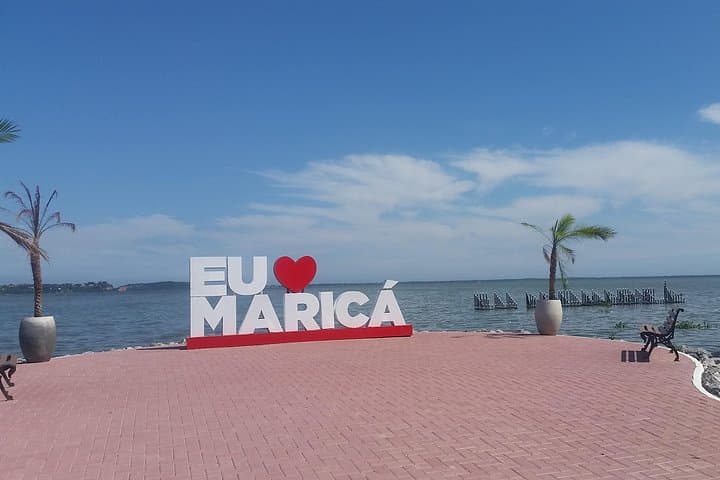


You arrive over the Rio–Niterói bridge and the city exhales; the Atlantic pushes forward and the landscape loosens into long white beaches, shallow lagoons and a fringe of Atlantic Forest that seems to watch the sea.
You arrive over the Rio–Niterói bridge and the city exhales; the Atlantic pushes forward and the landscape loosens into long white beaches, shallow lagoons and a fringe of Atlantic Forest that seems to watch the sea.
This full-day route threads together surf-swept shorelines at Itaipuaçu, Barra de Maricá and Ponta Negra, freshwater pools hidden in the Espraiado reserve and the colonial heart of Maricá with the 1755 Nossa Senhora do Amparo church. Charles Darwin stopped here in 1832 to study the coast’s strange mix of salt lagoons and forested wetlands — geology that still shapes tides, sandbars and the channels that shift after every storm.
Local culture is straightforward: small fishing communities, weekend cariocas escaping the city, and lakeside promenades where families gather at dusk. The geology is readable underfoot — fine quartz sand, exposed dune ridges, and pockets of brackish marsh that feed migratory birds.
Expect mostly easy terrain: beach walking, short boardwalks and a short forest trail into Espraiado. The wetlands and lagoons command respect — currents and tides change quickly, and the Atlantic can be bold even on calm days. Bring layered sun protection, water, and mosquito repellent; plan morning visits for softer light and lighter crowds.
Practical rhythm: start with beaches, move inland to the reserve’s freshwater pools, then finish in town to see the church and lighthouse. Leave no trace, carry cash for roadside snacks, and set aside time to listen — gulls, waves and the wind here keep a steady, honest score of the day.