THE ADVENTURE COLLECTIVE® · Independent discovery and booking for outdoor travel

A nine-day loop from Arusha that follows the Great Migration through Tarangire, Manyara, Natron and the Serengeti, ending at the Ngorongoro Crater. Flexible routing and private vehicle make this a strong choice for travelers seeking concentrated wildlife viewing and varied landscapes.
A nine-day loop from Arusha that follows the Great Migration through Tarangire, Manyara, Natron and the Serengeti, ending at the Ngorongoro Crater. Flexible routing and private vehicle make this a strong choice for travelers seeking concentrated wildlife viewing and varied landscapes.
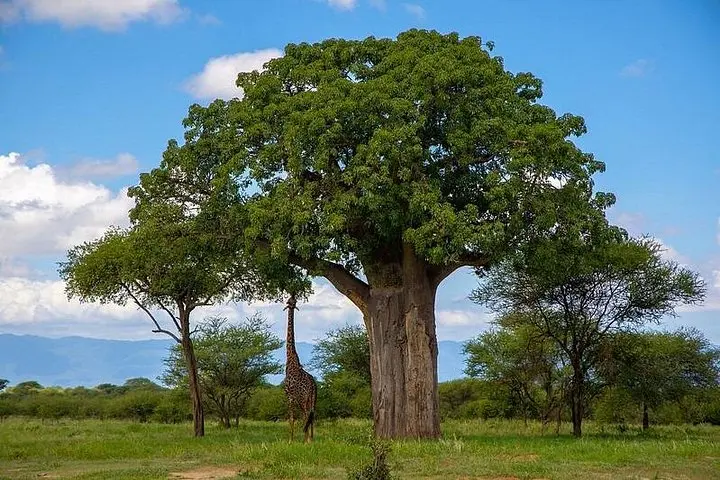
You step out of your Arusha lodge into a cool morning where the Rift Valley opens like a map. Dust from the road clings to the safari jeep as the driver checks the rooftop hatch; beyond the windshield the landscape rolls from baobab-scattered plains to the burnished slopes of Ol Doinyo Lengai.
Verified experiences and guided adventures in the surrounding area.
Operated by Beach & Safari · Arusha, Arusha Region
You step out of your Arusha lodge into a cool morning where the Rift Valley opens like a map. Dust from the road clings to the safari jeep as the driver checks the rooftop hatch; beyond the windshield the landscape rolls from baobab-scattered plains to the burnished slopes of Ol Doinyo Lengai.
This nine-day loop threads Tarangire, Lake Manyara, Lake Natron, Loliondo and the Serengeti, finishing with the Ngorongoro Crater. Geology is visible at every turn: the alkaline rims of soda lakes, the volcanic cones of Natron, and the caldera bowl of Ngorongoro formed by an ancient collapse. Culture rides beside the route—Maasai herders tend red-clothed livestock and share oral histories of the highlands while lodge hosts explain seasonal wildlife shifts.
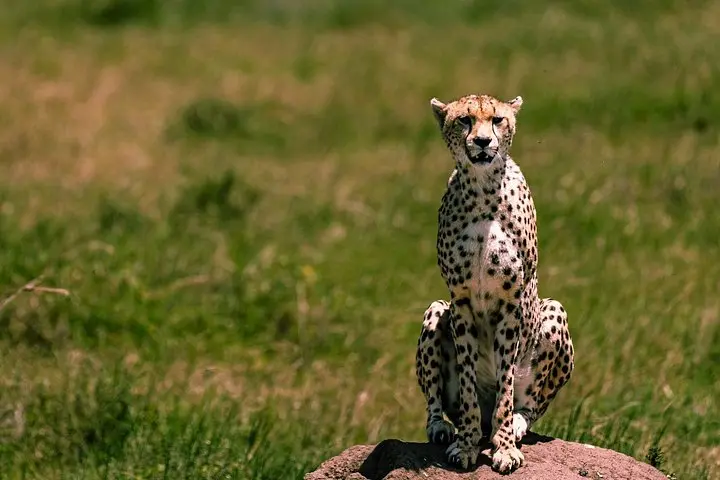
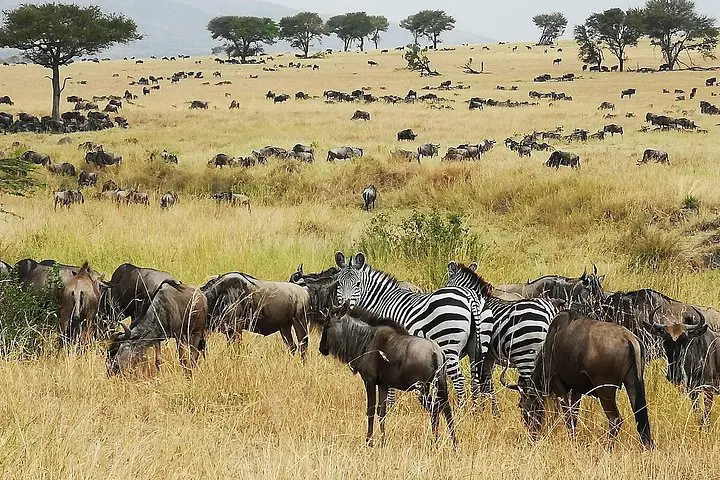
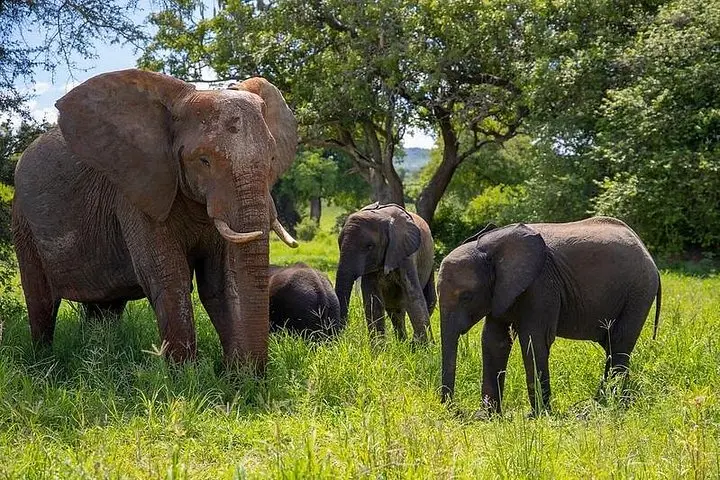
Expect full-day game drives (typically 6–8 hours), several 2–4 hour transfers, and flexible routing to track the wildebeest. Tarangire’s open floodplain concentrates elephants; Manyara’s groundwater forest hides troops of baboons and the occasional tree-climbing lion; Lake Natron offers a near-lunar shoreline and flamingo breeding flats; the Serengeti delivers wide, mobile herds and predator encounters; Ngorongoro’s rim gives high-altitude crater viewing.
Practical notes: travel light but pack layers—mornings are chilly, afternoons hot. Bring binoculars, a camera with a telephoto, sun protection and malaria prevention. Lodges and park fees are included; vehicle rooftop access makes photography straightforward. Timing matters: the operator adapts the route to migration movements, so remain flexible with expectations and enjoy the shifting rhythms of East Africa rather than a fixed itinerary.
There is no fixed location year-round; calving peaks in the southern Serengeti around Jan–Mar, while large river crossings are commonly June–Sept—operators adapt the route to where the herds are.
Yes—this tour lists park fees, full board meals at lodges and bottled water included in the itinerary.
No technical skills required; moderate fitness is helpful for long game drives, short guided walks and the occasional uneven lodge path.
Malaria prophylaxis is recommended for many visitors; consult a travel clinic for up-to-date vaccine and medication advice tailored to your health history.
Beach & Safari operates guided outdoor trips and adventures with an emphasis on safety, stewardship, and memorable experiences.
You step out of your Arusha lodge into a cool morning where the Rift Valley opens like a map. Dust from the road clings to the safari jeep as the driver checks the rooftop hatch; beyond the windshield the landscape rolls from baobab-scattered plains to the burnished slopes of Ol Doinyo Lengai.
You step out of your Arusha lodge into a cool morning where the Rift Valley opens like a map. Dust from the road clings to the safari jeep as the driver checks the rooftop hatch; beyond the windshield the landscape rolls from baobab-scattered plains to the burnished slopes of Ol Doinyo Lengai.
This nine-day loop threads Tarangire, Lake Manyara, Lake Natron, Loliondo and the Serengeti, finishing with the Ngorongoro Crater. Geology is visible at every turn: the alkaline rims of soda lakes, the volcanic cones of Natron, and the caldera bowl of Ngorongoro formed by an ancient collapse. Culture rides beside the route—Maasai herders tend red-clothed livestock and share oral histories of the highlands while lodge hosts explain seasonal wildlife shifts.
Expect full-day game drives (typically 6–8 hours), several 2–4 hour transfers, and flexible routing to track the wildebeest. Tarangire’s open floodplain concentrates elephants; Manyara’s groundwater forest hides troops of baboons and the occasional tree-climbing lion; Lake Natron offers a near-lunar shoreline and flamingo breeding flats; the Serengeti delivers wide, mobile herds and predator encounters; Ngorongoro’s rim gives high-altitude crater viewing.
Practical notes: travel light but pack layers—mornings are chilly, afternoons hot. Bring binoculars, a camera with a telephoto, sun protection and malaria prevention. Lodges and park fees are included; vehicle rooftop access makes photography straightforward. Timing matters: the operator adapts the route to migration movements, so remain flexible with expectations and enjoy the shifting rhythms of East Africa rather than a fixed itinerary.