THE ADVENTURE COLLECTIVE® · Independent discovery and booking for outdoor travel

Follow a guided ecological path through Montes de María where dry forest, birdsong and cultural exhibitions meet. This full-day experience blends natural observation with local history and community-led interpretation.
Follow a guided ecological path through Montes de María where dry forest, birdsong and cultural exhibitions meet. This full-day experience blends natural observation with local history and community-led interpretation.
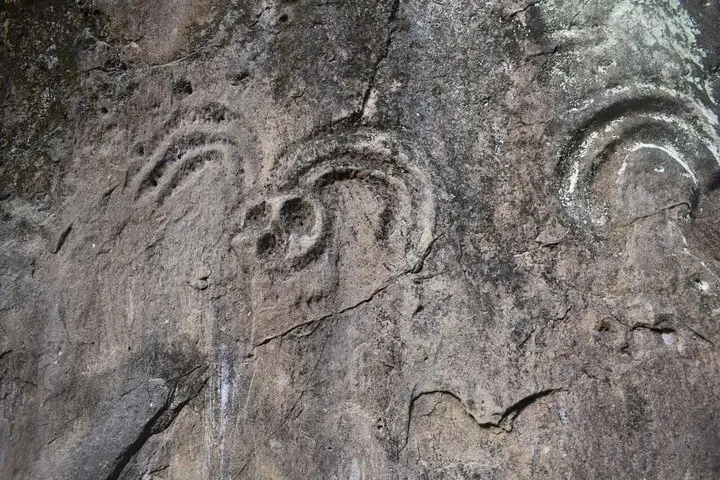
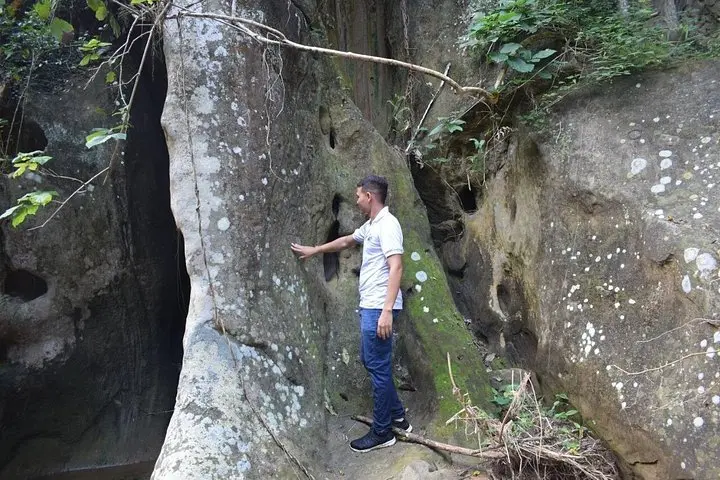
Dawn breaks over low, scrubby ridgelines and the air smells of dry leaves and distant earth. You follow a narrow trail where the guide points out a jaguar-shaped rock or a local legend of a passing cat, and the forest seems to watch back — birds calling, branches shifting like quiet applause.
Verified experiences and guided adventures in the surrounding area.
Operated by Vivamos Colombia Travel · San Jacinto, Bolívar
Dawn breaks over low, scrubby ridgelines and the air smells of dry leaves and distant earth. You follow a narrow trail where the guide points out a jaguar-shaped rock or a local legend of a passing cat, and the forest seems to watch back — birds calling, branches shifting like quiet applause.
The Montes de María are a chain of low hills between Bolívar and Sucre in northern Colombia, formed by uplift and long erosion that created a patchwork of dry forest, secondary growth and farmland. San Jacinto, a nearby town, has long been a cultural hub where craft traditions and community arts meet local conservation efforts. On this guided ecological path you’ll weave natural history with human stories: shifts from native species to land cleared for cattle, and the community exhibitions that celebrate resilience and identity.
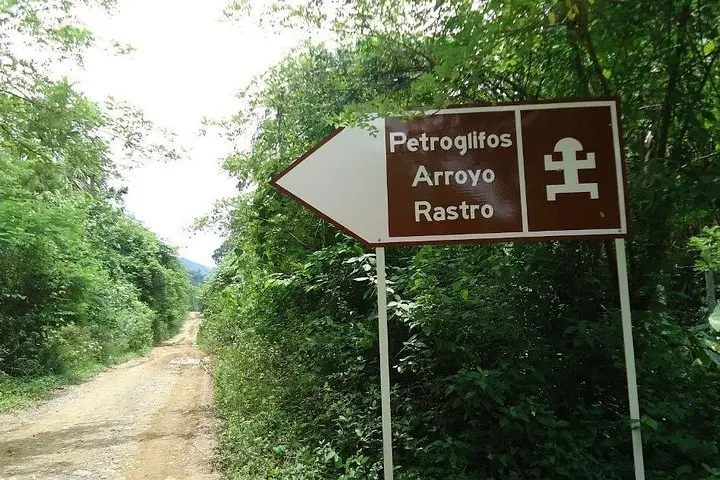
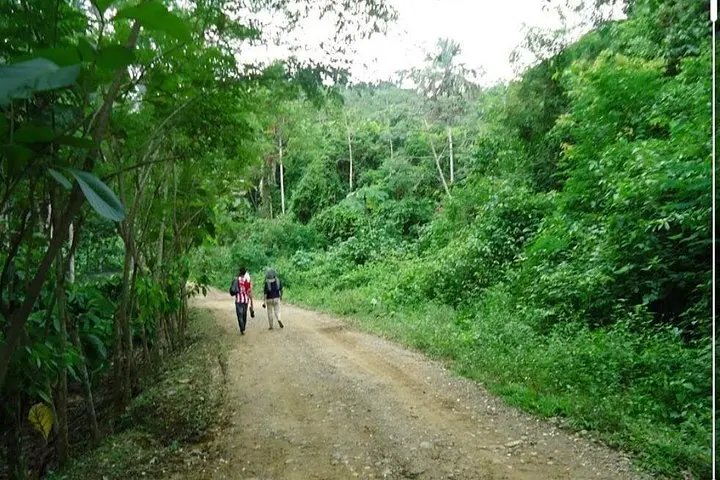
Expect an active, interpretive day: the full tour runs about eight hours including private transport and meals; walking segments typically cover uneven dirt tracks, farm access roads and short forest trails with gentle elevation (hundreds of meters cumulative, not technical). Guides focus on flora and birds, local ecological threats and cultural context rather than strenuous climbing.
Practical edge: start early to avoid midday heat, carry sun and insect protection, and bring a reusable water bottle and snacks. Wear sturdy walking shoes and layers for quick weather changes. Respect private fields and community spaces, take only photos and follow the guide’s directions — the best way to leave the place intact for the people who live here.
Walking on trails typically totals a few kilometers over several short sections within the full eight-hour itinerary; most time includes transport, cultural stops and guided observation.
Infants are allowed but must sit on an adult’s lap during transport; consider the walking and heat when bringing young children.
Jaguars are not a regular sight here; the tour traces ecological and cultural references to the species while focusing on more commonly seen birds and small mammals.
The provider advises this tour is not recommended for travelers with spinal injuries or for pregnant travelers due to uneven terrain and length of the day.
Vivamos Colombia Travel operates guided outdoor trips and adventures with an emphasis on safety, stewardship, and memorable experiences.
Dawn breaks over low, scrubby ridgelines and the air smells of dry leaves and distant earth. You follow a narrow trail where the guide points out a jaguar-shaped rock or a local legend of a passing cat, and the forest seems to watch back — birds calling, branches shifting like quiet applause.
Dawn breaks over low, scrubby ridgelines and the air smells of dry leaves and distant earth. You follow a narrow trail where the guide points out a jaguar-shaped rock or a local legend of a passing cat, and the forest seems to watch back — birds calling, branches shifting like quiet applause.
The Montes de María are a chain of low hills between Bolívar and Sucre in northern Colombia, formed by uplift and long erosion that created a patchwork of dry forest, secondary growth and farmland. San Jacinto, a nearby town, has long been a cultural hub where craft traditions and community arts meet local conservation efforts. On this guided ecological path you’ll weave natural history with human stories: shifts from native species to land cleared for cattle, and the community exhibitions that celebrate resilience and identity.
Expect an active, interpretive day: the full tour runs about eight hours including private transport and meals; walking segments typically cover uneven dirt tracks, farm access roads and short forest trails with gentle elevation (hundreds of meters cumulative, not technical). Guides focus on flora and birds, local ecological threats and cultural context rather than strenuous climbing.
Practical edge: start early to avoid midday heat, carry sun and insect protection, and bring a reusable water bottle and snacks. Wear sturdy walking shoes and layers for quick weather changes. Respect private fields and community spaces, take only photos and follow the guide’s directions — the best way to leave the place intact for the people who live here.