THE ADVENTURE COLLECTIVE® · Independent discovery and booking for outdoor travel

Trace the streets where Birmingham’s Civil Rights movement unfolded on a GPS-driven, self-guided walk. Download the Drives & Detours app, start at the Civil Rights Institute, and spend roughly 2–2.5 hours moving through sites that changed a nation.
Trace the streets where Birmingham’s Civil Rights movement unfolded on a GPS-driven, self-guided walk. Download the Drives & Detours app, start at the Civil Rights Institute, and spend roughly 2–2.5 hours moving through sites that changed a nation.
You step off the sidewalk into a city that still holds the contours of its struggle—brick facades, broad avenues, and park lawns that once filled with marching bodies. The tour begins beside the domed Birmingham Civil Rights Institute and moves along 16th Street North past Kelly Ingram Park and the 16th Street Baptist Church, sites where strategy, faith, and courage converged in the 1960s.
Verified experiences and guided adventures in the surrounding area.
Operated by Drives & Detours · Birmingham, Alabama
You step off the sidewalk into a city that still holds the contours of its struggle—brick facades, broad avenues, and park lawns that once filled with marching bodies. The tour begins beside the domed Birmingham Civil Rights Institute and moves along 16th Street North past Kelly Ingram Park and the 16th Street Baptist Church, sites where strategy, faith, and courage converged in the 1960s.
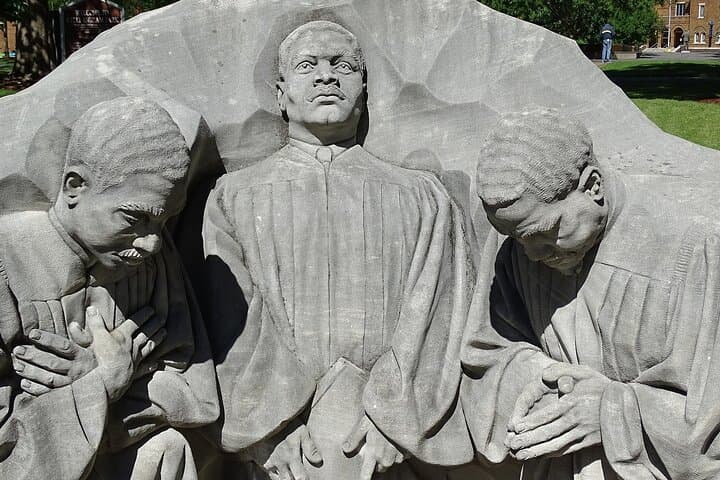
Birmingham was an industrial hub—iron, coal and rail shaped both skyline and society—and that industrial geography funneled people into tight neighborhoods that became centers of organizing. The route threads through churches, former motels, and sculpted memorials, each stop explaining how local strategy fed a national movement: the Children’s Crusade, nonviolent marches, and the 1963 church bombing that galvanized public opinion.
Expect bronze monuments and interpretive plaques, GPS-triggered audio that plays historical testimony, and quiet residential blocks that retain scars and stories. The walking surface is city pavement with short blocks and some curb crossings; accessible paths lead to major exhibits but some interior stops are viewed from the street.
Practically: download the Drives & Detours app and the tour before you arrive, wear supportive shoes, and give yourself 2–2.5 hours to move deliberately between sites. Midday can be hot in summer; mornings offer cooler light and fewer crowds. This is a reflective, place-based experience—bring water, respect memorial spaces, and allow time to sit in Kelly Ingram Park to soak in the sequence of events that reshaped the nation.
The itinerary runs about 120–150 minutes and covers a few city blocks with short walks between sites—plan for 2–2.5 hours of mostly paved walking.
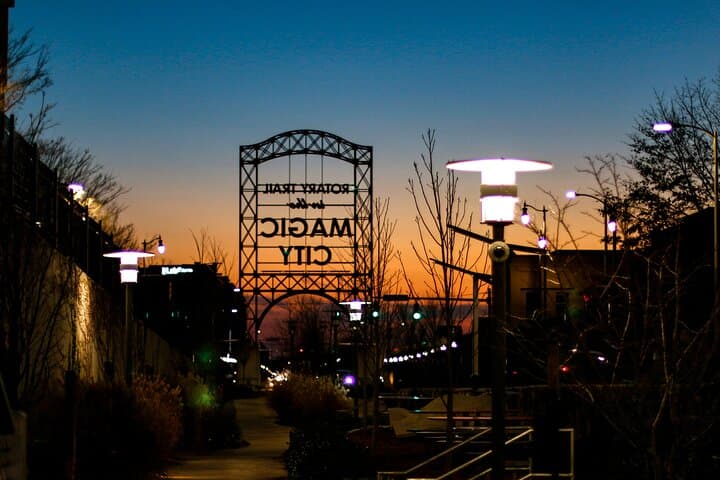
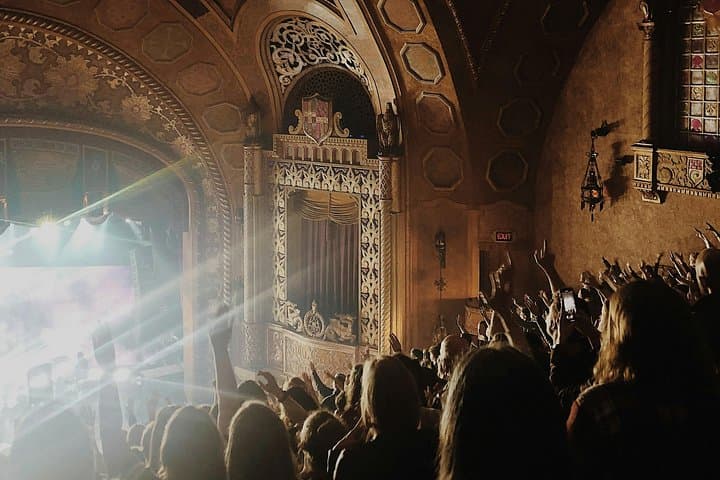
Start at the Birmingham Civil Rights Institute near Kelly Ingram Park and end by the Alabama Theatre on 3rd Avenue North; the app guides you between points.
No—download the Drives & Detours tour in advance while on Wi‑Fi and the GPS-triggered audio will function offline.
Major outdoor paths and park walks are accessible, but verify specific building access independently; the app notes accessible routing where applicable.
Drives & Detours operates guided outdoor trips and adventures with an emphasis on safety, stewardship, and memorable experiences.

You step off the sidewalk into a city that still holds the contours of its struggle—brick facades, broad avenues, and park lawns that once filled with marching bodies. The tour begins beside the domed Birmingham Civil Rights Institute and moves along 16th Street North past Kelly Ingram Park and the 16th Street Baptist Church, sites where strategy, faith, and courage converged in the 1960s.
You step off the sidewalk into a city that still holds the contours of its struggle—brick facades, broad avenues, and park lawns that once filled with marching bodies. The tour begins beside the domed Birmingham Civil Rights Institute and moves along 16th Street North past Kelly Ingram Park and the 16th Street Baptist Church, sites where strategy, faith, and courage converged in the 1960s.
Birmingham was an industrial hub—iron, coal and rail shaped both skyline and society—and that industrial geography funneled people into tight neighborhoods that became centers of organizing. The route threads through churches, former motels, and sculpted memorials, each stop explaining how local strategy fed a national movement: the Children’s Crusade, nonviolent marches, and the 1963 church bombing that galvanized public opinion.
Expect bronze monuments and interpretive plaques, GPS-triggered audio that plays historical testimony, and quiet residential blocks that retain scars and stories. The walking surface is city pavement with short blocks and some curb crossings; accessible paths lead to major exhibits but some interior stops are viewed from the street.
Practically: download the Drives & Detours app and the tour before you arrive, wear supportive shoes, and give yourself 2–2.5 hours to move deliberately between sites. Midday can be hot in summer; mornings offer cooler light and fewer crowds. This is a reflective, place-based experience—bring water, respect memorial spaces, and allow time to sit in Kelly Ingram Park to soak in the sequence of events that reshaped the nation.