THE ADVENTURE COLLECTIVE® · Independent discovery and booking for outdoor travel

Explore the canal banks and farm edges outside York on a private, 2–2.5 hour guided foraging walk. Learn to identify about 18 edible plants, taste samples, and make a personal plant record back at the farm.
Explore the canal banks and farm edges outside York on a private, 2–2.5 hour guided foraging walk. Learn to identify about 18 edible plants, taste samples, and make a personal plant record back at the farm.
The towpath is quiet this morning; reed beds lean toward a slow canal and the guide—Di—stands with a basket and a ready smile. You move from farmyard to hedgerow, smelling crushed leaves, tasting a cautious nibble of chickweed, and learning to read plants like a map. The walk is intimate: private, hands-on, and paced for curiosity rather than speed.
Verified experiences and guided adventures in the surrounding area.
Operated by Wild Harvest School of Self-Reliance · York, North Yorkshire
The towpath is quiet this morning; reed beds lean toward a slow canal and the guide—Di—stands with a basket and a ready smile. You move from farmyard to hedgerow, smelling crushed leaves, tasting a cautious nibble of chickweed, and learning to read plants like a map. The walk is intimate: private, hands-on, and paced for curiosity rather than speed.
York sits on layers of history—Roman streets, medieval walls and a web of canals cut through 18th‑ and 19th‑century trade routes. That industrial past created the linear habitats for many wild edibles now common along canal banks and farm edges: nettles, sorrel, young dandelion leaves and riverbank herbs. Foraging here follows long rural traditions but is bounded by modern rules—permission from landowners, protected species, and the instructor’s four‑step ID process to keep you safe and legal.
Expect a gentle 2–2.5 hour session that mixes a short drive out of the city with an easy towpath stroll (about 2 miles total walking). You’ll identify roughly 18 edible plants, taste samples, and bring specimens back to the farm to plot onto paper and photograph as a personalized record. Practicalities: wear sturdy shoes, dress for changing weather, bring a water bottle and any allergy information. The host provides a hot drink and toilet facilities at the farm; infants can use strollers and well‑behaved service animals are allowed.
This is an education-forward outing: sensory, practical, and rooted in conservation-minded foraging—take only small samples, leave populations intact, and always record where you learned your plants.
The outing combines a short drive with about 1.5–2 miles of easy walking along the canal towpath and farm paths over the 2–2.5 hour session.
Yes—this private experience is family-friendly; infants may ride in a stroller and activities are adapted for younger participants.
Small, guided tastings are part of the session; you should not prepare or consume wild plants independently without proper ID and guidance.
All sales are final; bookings cannot be refunded, and the operator may cancel for bad weather.
Wild Harvest School of Self-Reliance operates guided outdoor trips and adventures with an emphasis on safety, stewardship, and memorable experiences.
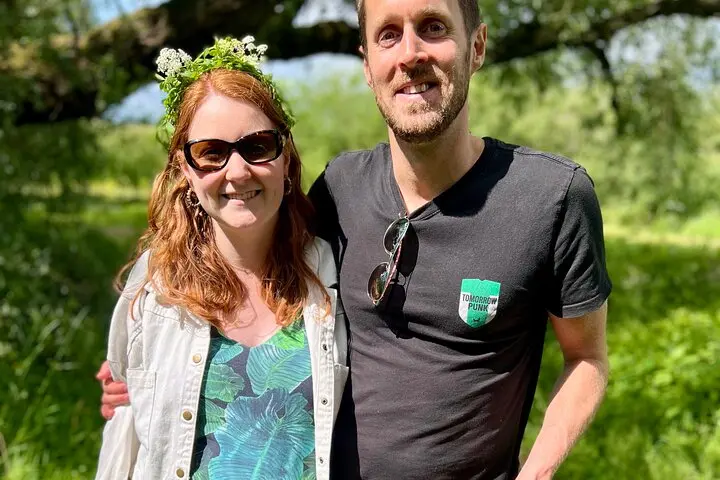
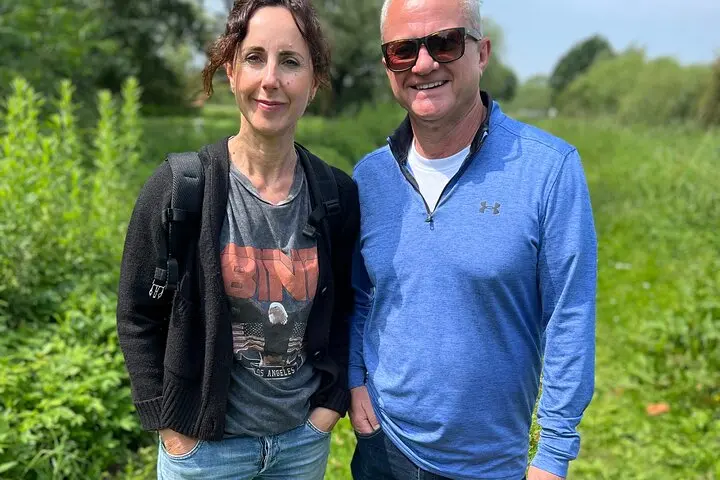
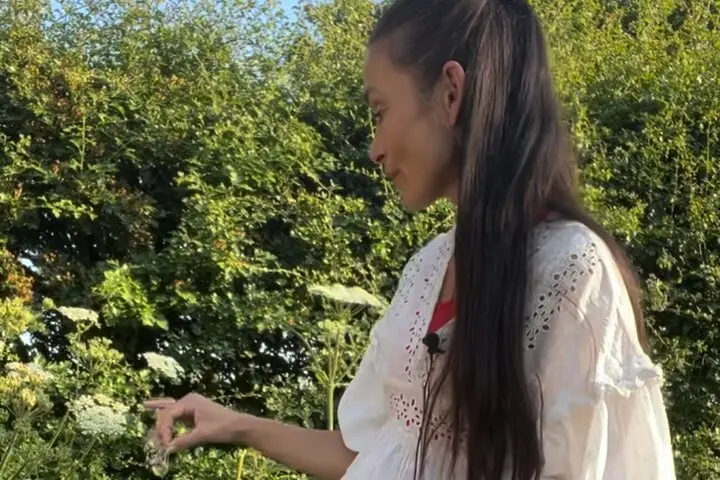
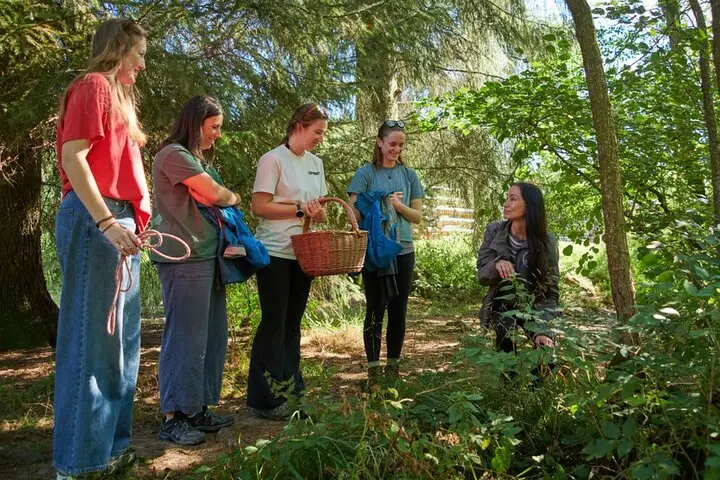
The towpath is quiet this morning; reed beds lean toward a slow canal and the guide—Di—stands with a basket and a ready smile. You move from farmyard to hedgerow, smelling crushed leaves, tasting a cautious nibble of chickweed, and learning to read plants like a map. The walk is intimate: private, hands-on, and paced for curiosity rather than speed.
The towpath is quiet this morning; reed beds lean toward a slow canal and the guide—Di—stands with a basket and a ready smile. You move from farmyard to hedgerow, smelling crushed leaves, tasting a cautious nibble of chickweed, and learning to read plants like a map. The walk is intimate: private, hands-on, and paced for curiosity rather than speed.
York sits on layers of history—Roman streets, medieval walls and a web of canals cut through 18th‑ and 19th‑century trade routes. That industrial past created the linear habitats for many wild edibles now common along canal banks and farm edges: nettles, sorrel, young dandelion leaves and riverbank herbs. Foraging here follows long rural traditions but is bounded by modern rules—permission from landowners, protected species, and the instructor’s four‑step ID process to keep you safe and legal.
Expect a gentle 2–2.5 hour session that mixes a short drive out of the city with an easy towpath stroll (about 2 miles total walking). You’ll identify roughly 18 edible plants, taste samples, and bring specimens back to the farm to plot onto paper and photograph as a personalized record. Practicalities: wear sturdy shoes, dress for changing weather, bring a water bottle and any allergy information. The host provides a hot drink and toilet facilities at the farm; infants can use strollers and well‑behaved service animals are allowed.
This is an education-forward outing: sensory, practical, and rooted in conservation-minded foraging—take only small samples, leave populations intact, and always record where you learned your plants.