THE ADVENTURE COLLECTIVE® · Independent discovery and booking for outdoor travel

Spend 2.5 hours with a professional forager on a walking tour through Brinnon’s forests and river benches learning to identify, harvest and prepare edible plants, lichens and mushrooms. The tour emphasizes sustainable techniques, plant lore, and hands-on tasting.
Spend 2.5 hours with a professional forager on a walking tour through Brinnon’s forests and river benches learning to identify, harvest and prepare edible plants, lichens and mushrooms. The tour emphasizes sustainable techniques, plant lore, and hands-on tasting.
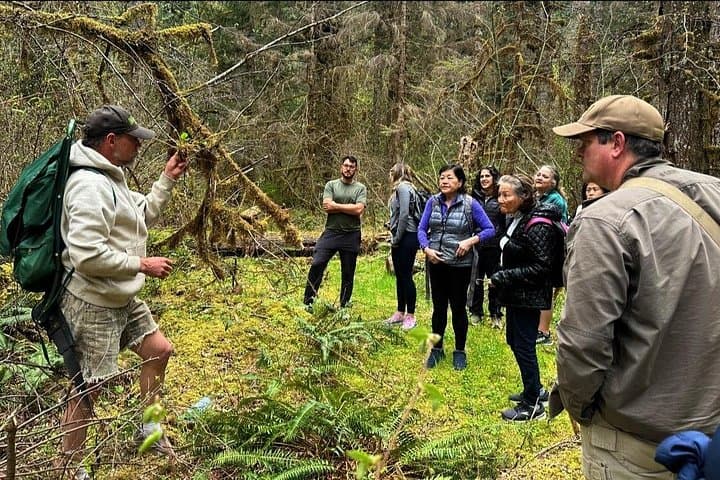
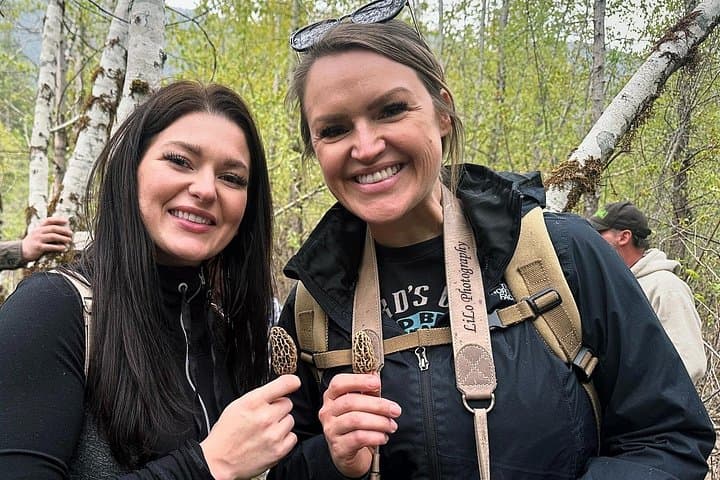
The trail opens under Douglas-fir and western hemlock; needles hush your steps and the undergrowth thickens with salal, ferns and moss. A guide—often a trained forager and mushroom specialist—leads a small group along riparian benches toward the Dosewallips River, pausing to show how to recognize spring greens, medicinal herbs and the subtle differences between edible fungi and look-alikes.
Verified experiences and guided adventures in the surrounding area.
Operated by Hood Canal Adventures · Brinnon, Washington
The trail opens under Douglas-fir and western hemlock; needles hush your steps and the undergrowth thickens with salal, ferns and moss. A guide—often a trained forager and mushroom specialist—leads a small group along riparian benches toward the Dosewallips River, pausing to show how to recognize spring greens, medicinal herbs and the subtle differences between edible fungi and look-alikes.
This stretch of the Olympic Peninsula sits on glacially scoured soils and glacial outwash, creating wetland pockets and mineral-rich benches that support a surprising diversity of plants and lichens. Indigenous Coast Salish knowledge informs local foraging traditions, and modern conservation practices shape what, when and how you harvest. Geology and tides meet here: Hood Canal’s fjord-like basin influences microclimates, keeping winters mild and summers cool—perfect for a long wild-food season.
Expect an easy, 2.5-hour walking tour across soft forest trails and occasional muddy patches; the guide will demonstrate sustainable harvest, ethical sampling and simple preparation. At the river reach you’ll sip a foraged tea made from gathered leaves—a practical lesson in taste, safety and respect for place. Bring closed-toe footwear, a small basket or paper bags (plastic discourages breathability), and a field guide or camera for notes.
The experience is part natural history lesson, part hands-on kitchen class: learn seasonality, identification tips, and Leave No Trace foragers’ rules so you can continue exploring the woods responsibly after the tour.
Guides only allow tasting of items they've positively identified and prepared appropriately; never consume finds without explicit permission and instruction.
Non-service dogs may be welcome per the operator, but check in advance—pets can disturb habitat and wildlife so some outings restrict them.
No; tours are designed for beginners and include basic ID, harvesting ethics and preparation techniques led by a professional forager.
Tours may be canceled for heavy rain or unsafe conditions; confirm the operator’s weather policy when booking and dress in layers for damp conditions.
Hood Canal Adventures operates guided outdoor trips and adventures with an emphasis on safety, stewardship, and memorable experiences.


The trail opens under Douglas-fir and western hemlock; needles hush your steps and the undergrowth thickens with salal, ferns and moss. A guide—often a trained forager and mushroom specialist—leads a small group along riparian benches toward the Dosewallips River, pausing to show how to recognize spring greens, medicinal herbs and the subtle differences between edible fungi and look-alikes.
The trail opens under Douglas-fir and western hemlock; needles hush your steps and the undergrowth thickens with salal, ferns and moss. A guide—often a trained forager and mushroom specialist—leads a small group along riparian benches toward the Dosewallips River, pausing to show how to recognize spring greens, medicinal herbs and the subtle differences between edible fungi and look-alikes.
This stretch of the Olympic Peninsula sits on glacially scoured soils and glacial outwash, creating wetland pockets and mineral-rich benches that support a surprising diversity of plants and lichens. Indigenous Coast Salish knowledge informs local foraging traditions, and modern conservation practices shape what, when and how you harvest. Geology and tides meet here: Hood Canal’s fjord-like basin influences microclimates, keeping winters mild and summers cool—perfect for a long wild-food season.
Expect an easy, 2.5-hour walking tour across soft forest trails and occasional muddy patches; the guide will demonstrate sustainable harvest, ethical sampling and simple preparation. At the river reach you’ll sip a foraged tea made from gathered leaves—a practical lesson in taste, safety and respect for place. Bring closed-toe footwear, a small basket or paper bags (plastic discourages breathability), and a field guide or camera for notes.
The experience is part natural history lesson, part hands-on kitchen class: learn seasonality, identification tips, and Leave No Trace foragers’ rules so you can continue exploring the woods responsibly after the tour.