THE ADVENTURE COLLECTIVE® · Independent discovery and booking for outdoor travel

Spend a half-to-full day walking the quieter shorelines and ridgelines of Lake Motosu with a guided forest bathing practice from Kawaguchiko. Expect mindful walking, local tea, and peak views of Mt. Fuji when conditions allow.
Spend a half-to-full day walking the quieter shorelines and ridgelines of Lake Motosu with a guided forest bathing practice from Kawaguchiko. Expect mindful walking, local tea, and peak views of Mt. Fuji when conditions allow.
The morning light on Lake Motosu is thin and precise, cutting the surface like a folded sheet of paper. You meet your guide beside the retired rail car at Kawaguchiko Station, then slip west in a private vehicle toward Motosuko where the shore, woods, and Mt. Fuji compete for attention. The group moves quietly — not a climb of Fuji’s summit, but a slow ascent up a local ridge toward a panoramic dai, passing Eboshi rest lookout and moss-slick paths that pull your focus to breath and footing.
Verified experiences and guided adventures in the surrounding area.
Operated by Great Outdoors Japan · Fujikawaguchiko, Yamanashi
The morning light on Lake Motosu is thin and precise, cutting the surface like a folded sheet of paper. You meet your guide beside the retired rail car at Kawaguchiko Station, then slip west in a private vehicle toward Motosuko where the shore, woods, and Mt. Fuji compete for attention. The group moves quietly — not a climb of Fuji’s summit, but a slow ascent up a local ridge toward a panoramic dai, passing Eboshi rest lookout and moss-slick paths that pull your focus to breath and footing.
Geology here is blunt: repeated eruptions and lahars shaped the Five Lakes basin and set Fuji’s cone as a dominant neighbor. Culturally, the area has been a place of pilgrimage and seasonal viewing for centuries; modern shinrin-yoku (forest bathing) reframes that reverence into guided sensory practice. Locals still dry tea on the lower slopes, and roadside stations sell seasonal produce that anchors the route in daily life.
Expect varied trail surfaces—packed dirt, exposed roots, short steeper pitches—and stretches of quiet shoreline where the wind seems to dare you to stand still. The tour includes a locally sourced bento and prefectural tea; transport returns you to Kawaguchiko.
Practical edge: bring layered clothing for sudden mountain winds, a waterproof shell for possible rain, and comfortable footwear with grip for rooty sections. Hydrate before you start; the walk is paced for mindfulness but covers several kilometers and roughly 300–420 minutes total. On clear days the view of Mt. Fuji rewards patience; on grey days the forest’s texture becomes the point.
The activity runs about 300–420 minutes total with walking segments that are steady but not technical; moderate fitness is recommended.
Yes — private vehicle transport to and from Kawaguchiko Station is included in the tour price.
No—views depend on weather and visibility; guides choose viewpoints to maximize chances but clouds can obscure the peak.
A locally sourced bento and prefectural tea are provided; a tarp is available on wet days.
Great Outdoors Japan operates guided outdoor trips and adventures with an emphasis on safety, stewardship, and memorable experiences.
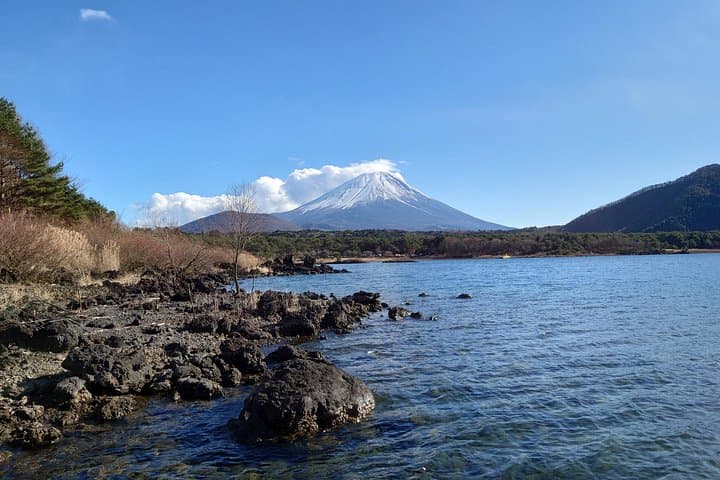
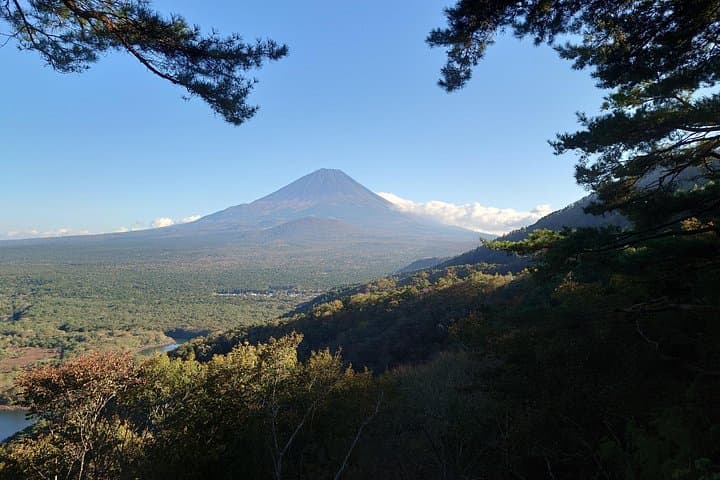
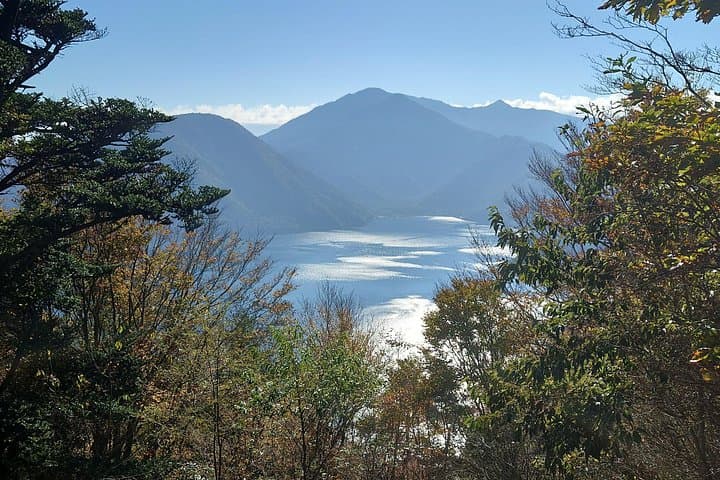
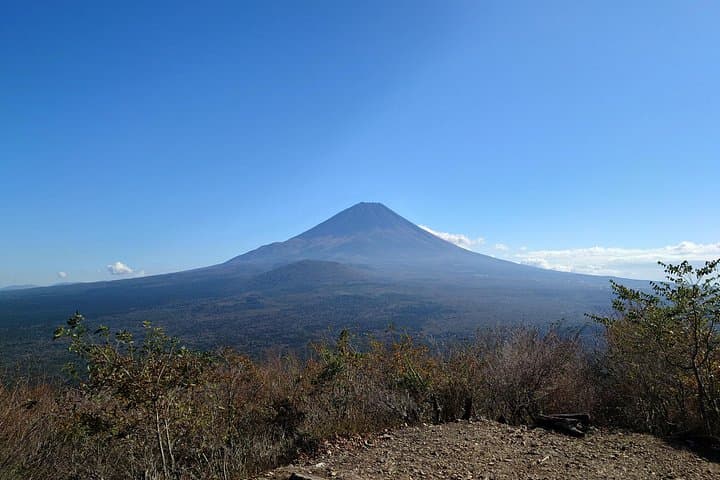
The morning light on Lake Motosu is thin and precise, cutting the surface like a folded sheet of paper. You meet your guide beside the retired rail car at Kawaguchiko Station, then slip west in a private vehicle toward Motosuko where the shore, woods, and Mt. Fuji compete for attention. The group moves quietly — not a climb of Fuji’s summit, but a slow ascent up a local ridge toward a panoramic dai, passing Eboshi rest lookout and moss-slick paths that pull your focus to breath and footing.
The morning light on Lake Motosu is thin and precise, cutting the surface like a folded sheet of paper. You meet your guide beside the retired rail car at Kawaguchiko Station, then slip west in a private vehicle toward Motosuko where the shore, woods, and Mt. Fuji compete for attention. The group moves quietly — not a climb of Fuji’s summit, but a slow ascent up a local ridge toward a panoramic dai, passing Eboshi rest lookout and moss-slick paths that pull your focus to breath and footing.
Geology here is blunt: repeated eruptions and lahars shaped the Five Lakes basin and set Fuji’s cone as a dominant neighbor. Culturally, the area has been a place of pilgrimage and seasonal viewing for centuries; modern shinrin-yoku (forest bathing) reframes that reverence into guided sensory practice. Locals still dry tea on the lower slopes, and roadside stations sell seasonal produce that anchors the route in daily life.
Expect varied trail surfaces—packed dirt, exposed roots, short steeper pitches—and stretches of quiet shoreline where the wind seems to dare you to stand still. The tour includes a locally sourced bento and prefectural tea; transport returns you to Kawaguchiko.
Practical edge: bring layered clothing for sudden mountain winds, a waterproof shell for possible rain, and comfortable footwear with grip for rooty sections. Hydrate before you start; the walk is paced for mindfulness but covers several kilometers and roughly 300–420 minutes total. On clear days the view of Mt. Fuji rewards patience; on grey days the forest’s texture becomes the point.