THE ADVENTURE COLLECTIVE® · Independent discovery and booking for outdoor travel

Slow down by the Capoxi reservoir with a guided Shinrin-yoku session that turns the State of Mexico’s oak-pine woods into a sensory classroom. In three hours you’ll practice attention-focused exercises, a sensory walk and reflection—no experience needed.
Slow down by the Capoxi reservoir with a guided Shinrin-yoku session that turns the State of Mexico’s oak-pine woods into a sensory classroom. In three hours you’ll practice attention-focused exercises, a sensory walk and reflection—no experience needed.
Morning light slices through the pines as the guide asks the small group to slow. Underfoot, a narrow trail skirts the Capoxi reservoir and the forest breathes with a damp, leaf-scented hush—branches lean in like curious neighbors. This is Shinrin-yoku at Capoxi Dam, a three-hour guided immersion in Jilotzingo's mixed oak and pine woods designed to shift attention from to-do lists to the textures, sounds and slow rhythms of the landscape.
Verified experiences and guided adventures in the surrounding area.
Operated by Baños de Bosque / Forest Bathing con Lou · Jilotzingo, State of Mexico
Morning light slices through the pines as the guide asks the small group to slow. Underfoot, a narrow trail skirts the Capoxi reservoir and the forest breathes with a damp, leaf-scented hush—branches lean in like curious neighbors. This is Shinrin-yoku at Capoxi Dam, a three-hour guided immersion in Jilotzingo's mixed oak and pine woods designed to shift attention from to-do lists to the textures, sounds and slow rhythms of the landscape.
The site sits within the highlands of the State of Mexico, an area shaped by volcanic soils and seasonal streams that feed small reservoirs built mid-20th century to regulate water and support local agriculture. Indigenous and colonial-era land use left a patchwork of communal woodlands and small farms; today those traditions mingle with a growing interest in nature-based wellness.
Culturally, forest bathing borrows from Japanese Shinrin-yoku but adapts to local flora and senses—coffee and tea often close the session, reflecting Mexico’s hospitality. Geologically, the porous volcanic substrate supports fast-draining soils, which give the forest a bright, resinous scent after brief rains.
Practical guidance: expect easy, uneven trails and gentle elevation change; wear grippy shoes and layers for variable shade and breeze. Bring water and a small notebook for reflections. Groups are intentionally small to minimize impact and deepen attention. The experience favors morning or late-afternoon light, when birds are most active and temperatures are mild. For travelers based in Mexico City, Capoxi offers an accessible, low-impact doorway into the region’s quieter natural side—where the forest quietly asks you to listen.
The guided forest bathing session lasts about three hours, typically including introduction, sensory invitations, a guided walk and closing reflections.
The experience is designed for ages 16+ and is described as physically easy; contact the operator about specific mobility needs or accommodations before booking.
Wear layered clothing appropriate for cool, shaded forest conditions and closed-toe shoes with good traction; bring a light waterproof layer if rain is forecast.
Most visitors travel by car or arranged transfer; the meeting point in Jilotzingo is reachable in about 45–75 minutes from central Mexico City depending on traffic.
Baños de Bosque / Forest Bathing con Lou operates guided outdoor trips and adventures with an emphasis on safety, stewardship, and memorable experiences.
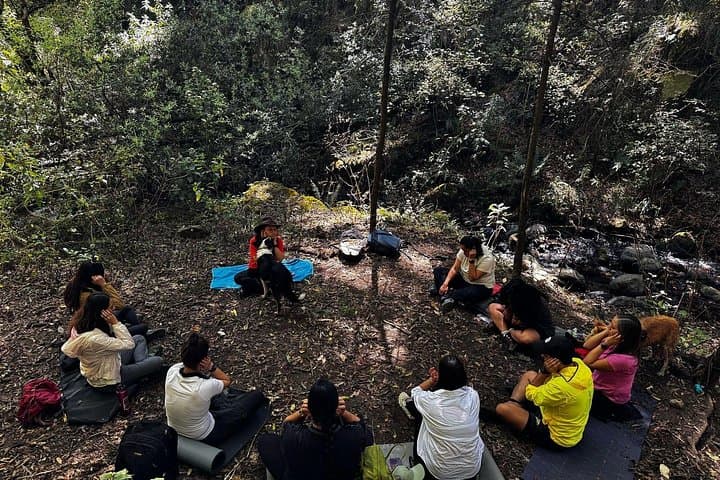
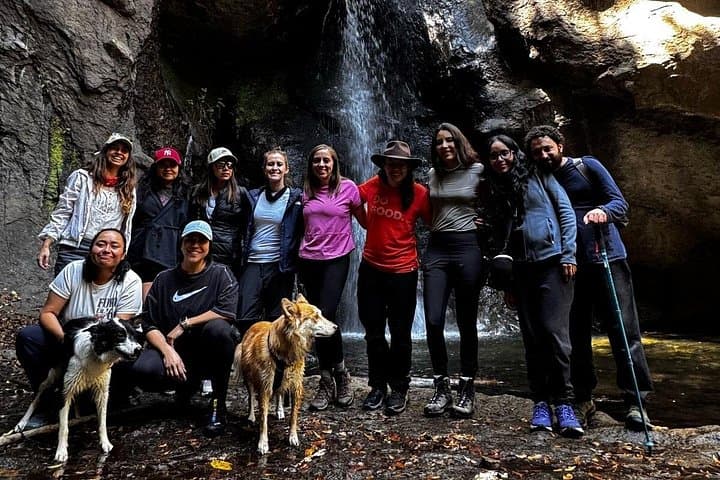
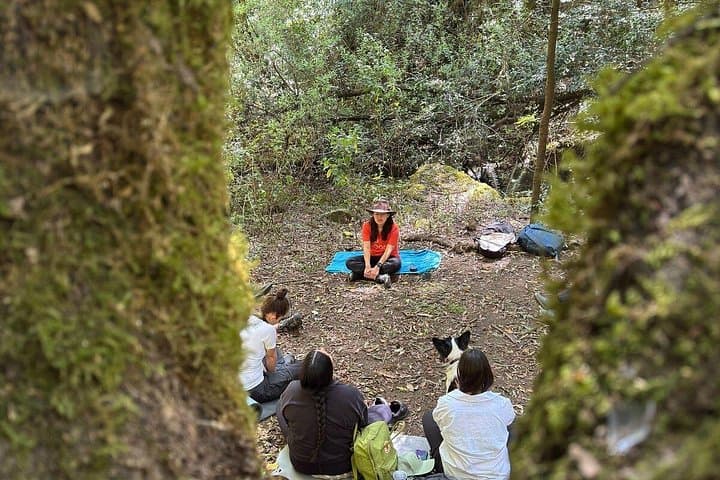
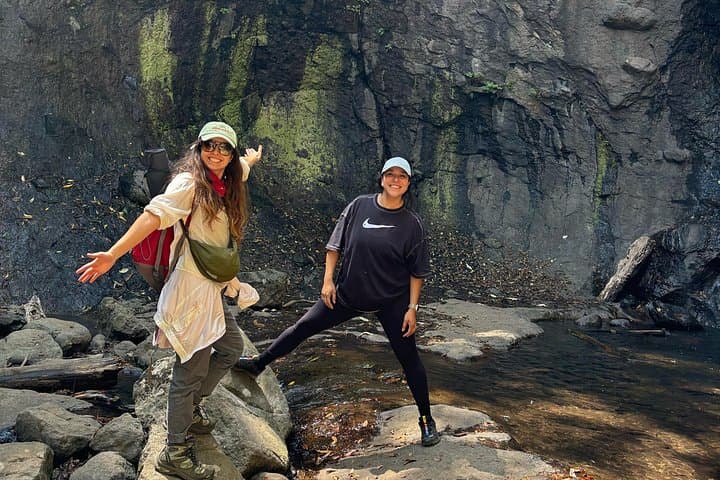
Morning light slices through the pines as the guide asks the small group to slow. Underfoot, a narrow trail skirts the Capoxi reservoir and the forest breathes with a damp, leaf-scented hush—branches lean in like curious neighbors. This is Shinrin-yoku at Capoxi Dam, a three-hour guided immersion in Jilotzingo's mixed oak and pine woods designed to shift attention from to-do lists to the textures, sounds and slow rhythms of the landscape.
Morning light slices through the pines as the guide asks the small group to slow. Underfoot, a narrow trail skirts the Capoxi reservoir and the forest breathes with a damp, leaf-scented hush—branches lean in like curious neighbors. This is Shinrin-yoku at Capoxi Dam, a three-hour guided immersion in Jilotzingo's mixed oak and pine woods designed to shift attention from to-do lists to the textures, sounds and slow rhythms of the landscape.
The site sits within the highlands of the State of Mexico, an area shaped by volcanic soils and seasonal streams that feed small reservoirs built mid-20th century to regulate water and support local agriculture. Indigenous and colonial-era land use left a patchwork of communal woodlands and small farms; today those traditions mingle with a growing interest in nature-based wellness.
Culturally, forest bathing borrows from Japanese Shinrin-yoku but adapts to local flora and senses—coffee and tea often close the session, reflecting Mexico’s hospitality. Geologically, the porous volcanic substrate supports fast-draining soils, which give the forest a bright, resinous scent after brief rains.
Practical guidance: expect easy, uneven trails and gentle elevation change; wear grippy shoes and layers for variable shade and breeze. Bring water and a small notebook for reflections. Groups are intentionally small to minimize impact and deepen attention. The experience favors morning or late-afternoon light, when birds are most active and temperatures are mild. For travelers based in Mexico City, Capoxi offers an accessible, low-impact doorway into the region’s quieter natural side—where the forest quietly asks you to listen.