THE ADVENTURE COLLECTIVE® · Independent discovery and booking for outdoor travel

Slow down and let the forest do the work: a certified guide leads a 2–3 hour nature therapy walk through the Arboretum, pairing sensory invitations with a wild-crafted tea ceremony. Perfect for anyone seeking a low-impact reset and a practical mindfulness practice.
Slow down and let the forest do the work: a certified guide leads a 2–3 hour nature therapy walk through the Arboretum, pairing sensory invitations with a wild-crafted tea ceremony. Perfect for anyone seeking a low-impact reset and a practical mindfulness practice.
The afternoon feels different inside the trees—sound compresses, light softens, and the city’s hurry refuses the understory. On arrival at the Arboretum gate, the guide asks the group to set phones to silent and to notice the weight of footsteps. You move slowly, not because the trail demands it but because the walk asks you to: leaves invite a closer glance, a stream dares you to listen, and a pine limb seems to lean down with a patient curiosity.
Verified experiences and guided adventures in the surrounding area.
Operated by Asheville Wellness Tours · Asheville, North Carolina
The afternoon feels different inside the trees—sound compresses, light softens, and the city’s hurry refuses the understory. On arrival at the Arboretum gate, the guide asks the group to set phones to silent and to notice the weight of footsteps. You move slowly, not because the trail demands it but because the walk asks you to: leaves invite a closer glance, a stream dares you to listen, and a pine limb seems to lean down with a patient curiosity.
This guided forest therapy walk, led by a certified practitioner, follows a lineage of shinrin-yoku—a Japanese practice born in the 1980s when doctors and foresters measured measurable benefits to time spent in woods. Here in Asheville, the approach blends local ecology with simple rituals: slowing, sensing, and short periods of solitude punctuated by group sharing. The Arboretum’s soils tell a thousand-year story of eroded slopes and rich rhododendron pockets; the streambeds carry mica-sparkled sediments that hint at the region’s ancient mountain-building past.
Culturally, these walks sit at the intersection of wellness and conservation. Guides often weave in Cherokee perspectives on relationship with the land, reminding participants that these forests supported Indigenous lifeways long before arboretum signage. The result is a gentle education—about tree identification, about how water shapes a hollow, about how breath can alter heart rate.
Practicalities are simple but purposeful. The experience lasts two to three hours across mostly flat, well-maintained paths with occasional roots and leaf litter—suitable for most fitness levels and accessible to many. Groups are intentionally small (usually under 15) to preserve quiet and intimacy. The walk culminates in a wild-crafted tea ceremony: a slow, communal pause that turns observation into ritual and offers a warm way to carry the practice home.
Come prepared to move slowly rather than to cover distance. Dress in layers: Appalachian weather shifts quickly under the canopy. Comfortable, sturdy shoes with traction are better than trail runners with thin soles. Bring a water bottle, but leave headphones in your pocket—part of the benefit is being present to the forest’s subtle cues.
If rain cancels, most guides offer rescheduling; note that the operator marks sales final, so check the cancellation policy before booking. Expect invitations from the guide—short, guided prompts meant to focus senses, not to test endurance. Whether you’re seeking a reset, a softer form of exercise, or a new way to pay attention, this nature therapy walk is designed to slow time to the pace of the forest and leave you walking out with both a lighter mind and a practical practice you can repeat beyond the arboretum fence.
The guided forest therapy walk runs approximately 2–3 hours.
Yes—this experience is low-impact and suitable for most ages, but check with the operator if mobility is limited.
Service animals are allowed; pets are not typically permitted to preserve group quiet.
The operator may cancel sessions for bad weather; check the cancellation policy and contact the provider for rescheduling options.
Groups are small—generally up to 15 participants—to maintain a quiet, intimate atmosphere.
No—guides provide simple invitations and prompts, making the walk accessible to beginners and experienced practitioners alike.
Asheville Wellness Tours operates guided outdoor trips and adventures with an emphasis on safety, stewardship, and memorable experiences.
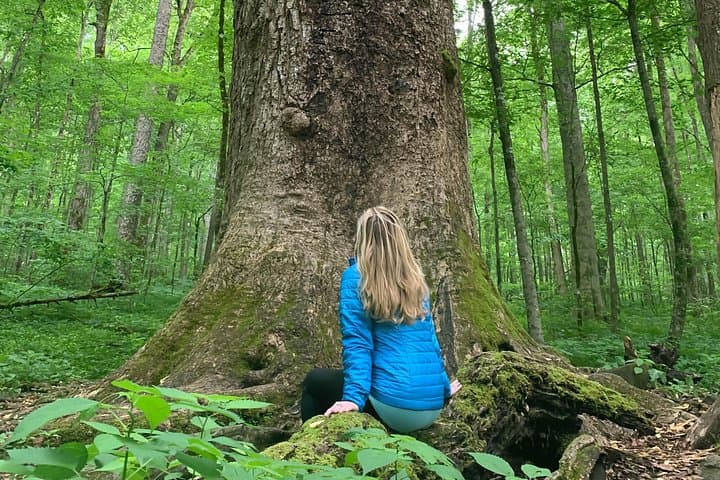



The afternoon feels different inside the trees—sound compresses, light softens, and the city’s hurry refuses the understory. On arrival at the Arboretum gate, the guide asks the group to set phones to silent and to notice the weight of footsteps. You move slowly, not because the trail demands it but because the walk asks you to: leaves invite a closer glance, a stream dares you to listen, and a pine limb seems to lean down with a patient curiosity.
The afternoon feels different inside the trees—sound compresses, light softens, and the city’s hurry refuses the understory. On arrival at the Arboretum gate, the guide asks the group to set phones to silent and to notice the weight of footsteps. You move slowly, not because the trail demands it but because the walk asks you to: leaves invite a closer glance, a stream dares you to listen, and a pine limb seems to lean down with a patient curiosity.
This guided forest therapy walk, led by a certified practitioner, follows a lineage of shinrin-yoku—a Japanese practice born in the 1980s when doctors and foresters measured measurable benefits to time spent in woods. Here in Asheville, the approach blends local ecology with simple rituals: slowing, sensing, and short periods of solitude punctuated by group sharing. The Arboretum’s soils tell a thousand-year story of eroded slopes and rich rhododendron pockets; the streambeds carry mica-sparkled sediments that hint at the region’s ancient mountain-building past.
Culturally, these walks sit at the intersection of wellness and conservation. Guides often weave in Cherokee perspectives on relationship with the land, reminding participants that these forests supported Indigenous lifeways long before arboretum signage. The result is a gentle education—about tree identification, about how water shapes a hollow, about how breath can alter heart rate.
Practicalities are simple but purposeful. The experience lasts two to three hours across mostly flat, well-maintained paths with occasional roots and leaf litter—suitable for most fitness levels and accessible to many. Groups are intentionally small (usually under 15) to preserve quiet and intimacy. The walk culminates in a wild-crafted tea ceremony: a slow, communal pause that turns observation into ritual and offers a warm way to carry the practice home.
Come prepared to move slowly rather than to cover distance. Dress in layers: Appalachian weather shifts quickly under the canopy. Comfortable, sturdy shoes with traction are better than trail runners with thin soles. Bring a water bottle, but leave headphones in your pocket—part of the benefit is being present to the forest’s subtle cues.
If rain cancels, most guides offer rescheduling; note that the operator marks sales final, so check the cancellation policy before booking. Expect invitations from the guide—short, guided prompts meant to focus senses, not to test endurance. Whether you’re seeking a reset, a softer form of exercise, or a new way to pay attention, this nature therapy walk is designed to slow time to the pace of the forest and leave you walking out with both a lighter mind and a practical practice you can repeat beyond the arboretum fence.