THE ADVENTURE COLLECTIVE® · Independent discovery and booking for outdoor travel

Walk the Lamone forest where charcoal burners and Maremma brigands once moved through the trees. This 2.5-hour guided route mixes Etruscan archaeology, local craft history and a tasting at a small producer.
Walk the Lamone forest where charcoal burners and Maremma brigands once moved through the trees. This 2.5-hour guided route mixes Etruscan archaeology, local craft history and a tasting at a small producer.
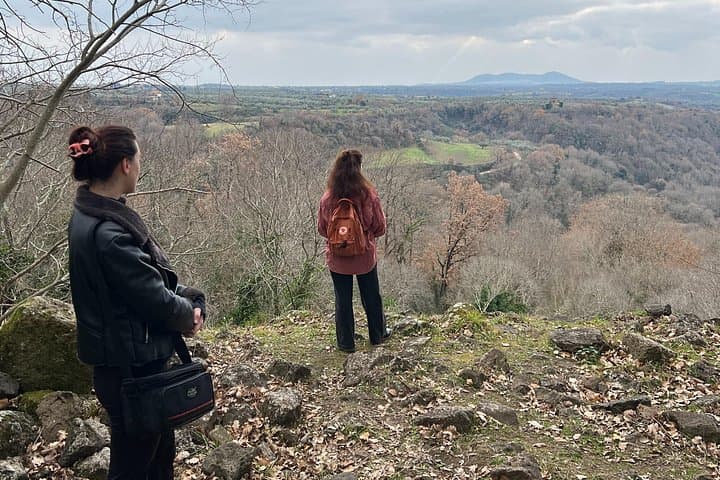
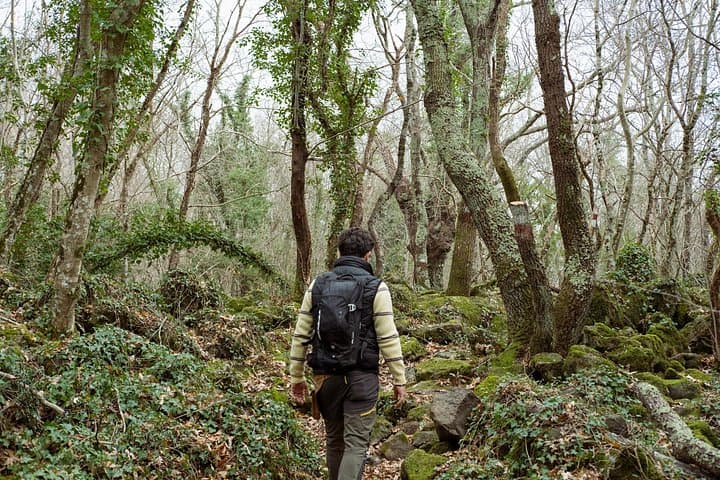
Dawn in the Lamone forest feels like walking into a slow-moving story: mist threads between oak trunks, and the path narrows where scrub and vine press inward. The trees here don’t just stand — they keep watch, their roots anchoring centuries of human use and secrecy. You follow narrow tracks once used by charcoal burners, past hollows where brigands hid and across low ridges that reveal sudden, stripped clearings.
Verified experiences and guided adventures in the surrounding area.
Operated by The Red Road · Montalto di Castro, Lazio
Dawn in the Lamone forest feels like walking into a slow-moving story: mist threads between oak trunks, and the path narrows where scrub and vine press inward. The trees here don’t just stand — they keep watch, their roots anchoring centuries of human use and secrecy. You follow narrow tracks once used by charcoal burners, past hollows where brigands hid and across low ridges that reveal sudden, stripped clearings.
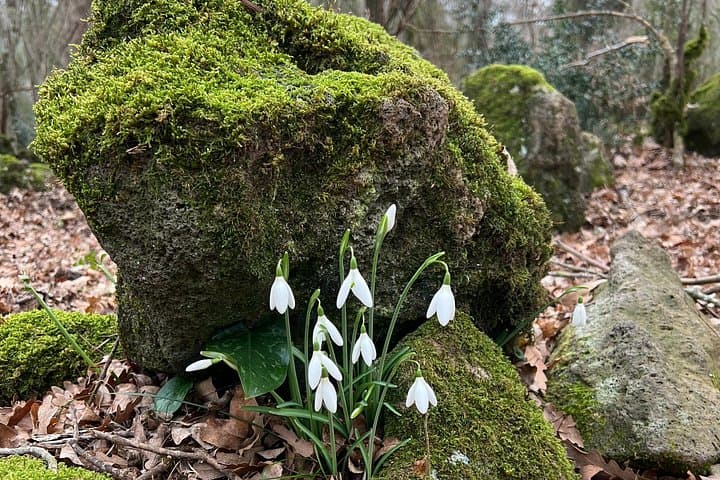
Geology and history overlap: sandstones and volcanic tuffs underlay the ground, creating pockets where Etruscan tombs were carved and later reclaimed by scrub. The area sits on the border of Lazio and the Maremma cultural zone, so you’ll find a mix of medieval farmsteads and ancient burial sites choked by vegetation.
On this 2½-hour guided walk you’ll hear stories of Domenico Tiburzi and the charcoal craft — the slow burn, the earth ovens, the months a burner spent in the wood — then move into more recent rural life with a tasting at a nearby producer if you opt in.
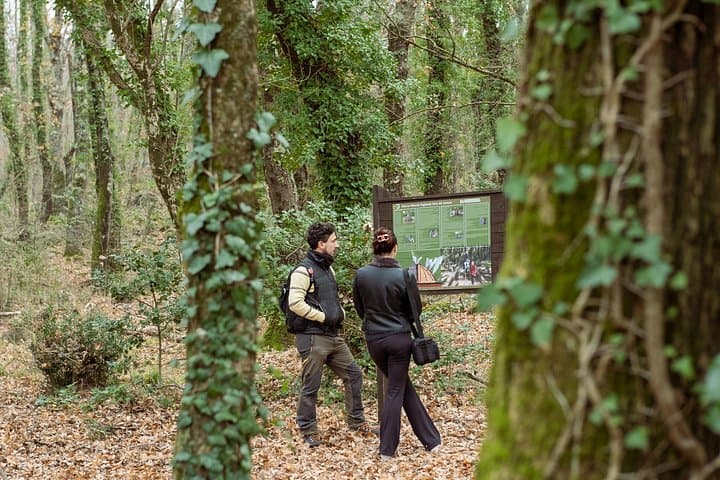
Practical details are straightforward: expect uneven forest trails, short climbs and loose soils; wear solid footwear and bring water. The guide points out fragile archaeological features — give them space and photograph from a distance. Best times are spring and autumn for cooler temperatures and clearer understory views. The route is ideal for hikers with moderate fitness who want a concentrated cultural-ecological outing rather than a long mountain trek.
The tour is about 2.5 hours over uneven forest tracks with short climbs; it’s rated moderate and requires steady footing.
Most archaeological features are protected and should not be entered or touched; the guide will indicate safe viewing distances.
An optional tasting at a local producer is offered at the end; inclusion depends on the booking option and any additional fee noted by the operator.
Moderate fitness is required and the route is not recommended for those with serious ankle, back, or heart conditions; check with the operator about younger children or mobility limits.
The Red Road operates guided outdoor trips and adventures with an emphasis on safety, stewardship, and memorable experiences.
Dawn in the Lamone forest feels like walking into a slow-moving story: mist threads between oak trunks, and the path narrows where scrub and vine press inward. The trees here don’t just stand — they keep watch, their roots anchoring centuries of human use and secrecy. You follow narrow tracks once used by charcoal burners, past hollows where brigands hid and across low ridges that reveal sudden, stripped clearings.
Dawn in the Lamone forest feels like walking into a slow-moving story: mist threads between oak trunks, and the path narrows where scrub and vine press inward. The trees here don’t just stand — they keep watch, their roots anchoring centuries of human use and secrecy. You follow narrow tracks once used by charcoal burners, past hollows where brigands hid and across low ridges that reveal sudden, stripped clearings.
Geology and history overlap: sandstones and volcanic tuffs underlay the ground, creating pockets where Etruscan tombs were carved and later reclaimed by scrub. The area sits on the border of Lazio and the Maremma cultural zone, so you’ll find a mix of medieval farmsteads and ancient burial sites choked by vegetation.
On this 2½-hour guided walk you’ll hear stories of Domenico Tiburzi and the charcoal craft — the slow burn, the earth ovens, the months a burner spent in the wood — then move into more recent rural life with a tasting at a nearby producer if you opt in.
Practical details are straightforward: expect uneven forest trails, short climbs and loose soils; wear solid footwear and bring water. The guide points out fragile archaeological features — give them space and photograph from a distance. Best times are spring and autumn for cooler temperatures and clearer understory views. The route is ideal for hikers with moderate fitness who want a concentrated cultural-ecological outing rather than a long mountain trek.