THE ADVENTURE COLLECTIVE® · Independent discovery and booking for outdoor travel

Walk Fort Canning Hill with an expert guide and trace Singapore’s layered past—from Malay palaces and colonial batteries to WWII bunkers—against cityscape views and shaded trails. Bring comfortable shoes and a light rain jacket for sudden tropical showers.
Walk Fort Canning Hill with an expert guide and trace Singapore’s layered past—from Malay palaces and colonial batteries to WWII bunkers—against cityscape views and shaded trails. Bring comfortable shoes and a light rain jacket for sudden tropical showers.
Morning light slices between the tall Angsana and rain trees as you step onto the compacted path up Fort Canning Hill. The city skyline presses close, but here the air smells of damp earth and cut grass; trees lean in as if to whisper the site's layered past.
Verified experiences and guided adventures in the surrounding area.
Operated by Tour East - Singapore · Singapore, Singapore
Morning light slices between the tall Angsana and rain trees as you step onto the compacted path up Fort Canning Hill. The city skyline presses close, but here the air smells of damp earth and cut grass; trees lean in as if to whisper the site's layered past.
Fort Canning has been a strategic hill since Malay rulers anchored settlements here; the British later fortified it, and hidden beneath its slopes the Battle Box bunker shaped Singapore’s WWII story. Geologically the hill is a modest rise of sedimentary earth and reclaimed fill, now softened by gardens and manicured lawns. Culturally the park stitches together colonial relics, an old spice garden, and indigenous sites like Pancur Larangan, the so-called Forbidden Spring.
Guided walks typically cover 3–4 hours, moving between the fortified remnants, a tree tunnel corridor, and lookout points that frame Marina Bay and the Civic District. Expect compacted paths, short stair sections and some soft lawns where the guide will pause to unpack archaeology and wartime anecdotes. The route is family-friendly but rewards attention: plaques mark former battery sites and an archaeological dig reveals pottery shards beneath modern grass.
Practical notes: wear closed-toe walking shoes, carry water (tours include bottled water and snacks), and bring a light rain jacket—tropical showers are brief but sudden. Mornings are cooler and offer better light for photos; late afternoons bring dramatic skyline color but can be busier. Stick to paths, respect conservation signs, and keep voices low near memorials—the park is both an urban green refuge and a place of historical memory.
The guided itinerary runs about 3–4 hours, covering Fort Canning Hill’s main points of interest with short stops for interpretation.
Yes—terrain is easy to moderate with mostly paved paths and short stair sections; participants should be comfortable walking for a few hours.
Public transport stops are within walking distance of Fort Canning Park and there are public restrooms near the park’s main entrances.
Tours usually run in light rain; bring a rain jacket. Cancellation for a full refund requires at least 24 hours’ notice per the booking policy.
Tour East - Singapore operates guided outdoor trips and adventures with an emphasis on safety, stewardship, and memorable experiences.
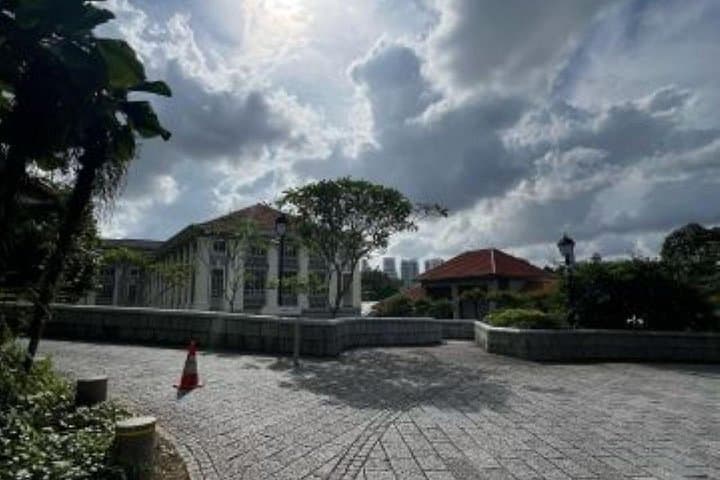
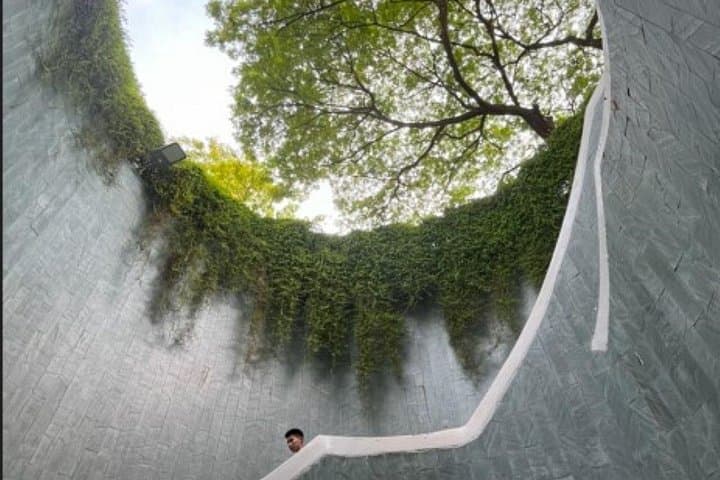
Morning light slices between the tall Angsana and rain trees as you step onto the compacted path up Fort Canning Hill. The city skyline presses close, but here the air smells of damp earth and cut grass; trees lean in as if to whisper the site's layered past.
Morning light slices between the tall Angsana and rain trees as you step onto the compacted path up Fort Canning Hill. The city skyline presses close, but here the air smells of damp earth and cut grass; trees lean in as if to whisper the site's layered past.
Fort Canning has been a strategic hill since Malay rulers anchored settlements here; the British later fortified it, and hidden beneath its slopes the Battle Box bunker shaped Singapore’s WWII story. Geologically the hill is a modest rise of sedimentary earth and reclaimed fill, now softened by gardens and manicured lawns. Culturally the park stitches together colonial relics, an old spice garden, and indigenous sites like Pancur Larangan, the so-called Forbidden Spring.
Guided walks typically cover 3–4 hours, moving between the fortified remnants, a tree tunnel corridor, and lookout points that frame Marina Bay and the Civic District. Expect compacted paths, short stair sections and some soft lawns where the guide will pause to unpack archaeology and wartime anecdotes. The route is family-friendly but rewards attention: plaques mark former battery sites and an archaeological dig reveals pottery shards beneath modern grass.
Practical notes: wear closed-toe walking shoes, carry water (tours include bottled water and snacks), and bring a light rain jacket—tropical showers are brief but sudden. Mornings are cooler and offer better light for photos; late afternoons bring dramatic skyline color but can be busier. Stick to paths, respect conservation signs, and keep voices low near memorials—the park is both an urban green refuge and a place of historical memory.