THE ADVENTURE COLLECTIVE® · Independent discovery and booking for outdoor travel

Walk the same river corridor early explorers traversed two centuries ago. This two‑mile, two‑hour interpretive tour along the Cache la Poudre combines geology, native and exploration history, and hands‑on historic objects.
Walk the same river corridor early explorers traversed two centuries ago. This two‑mile, two‑hour interpretive tour along the Cache la Poudre combines geology, native and exploration history, and hands‑on historic objects.
Step off pavement and into a corridor that still remembers the tread of early 19th‑century expeditions. The trail follows roughly two miles round‑trip along the north bank of the Cache la Poudre River, where the river’s current and the rim of the plains frame views of distant foothills. Spring cottonwoods whisper, and boxelder riparian pockets give the corridor a distinct, river‑edge character.
Verified experiences and guided adventures in the surrounding area.
Operated by Traces of the Past History Tours · Fort Collins, Colorado
Step off pavement and into a corridor that still remembers the tread of early 19th‑century expeditions. The trail follows roughly two miles round‑trip along the north bank of the Cache la Poudre River, where the river’s current and the rim of the plains frame views of distant foothills. Spring cottonwoods whisper, and boxelder riparian pockets give the corridor a distinct, river‑edge character.
This route is a local chapter in the broader story of U.S. western exploration: Corps of Discovery parties pressed through the region in the early 1800s, and Stephen H. Long’s 1820 topographical team formalized maps and notes that would open the Poudre drainage to later travelers. Geologically, the area sits on alluvial terraces carved by glacial‑fed rivers and punctuated by cobble bars and sandy benches—the terrain hikers cross today is the product of centuries of river movement. Cultural context includes both Euro‑American exploration and the Native peoples whose trails and river crossings predated those expeditions; the tour weaves both threads into its narrative and offers hands‑on viewing of curated historic artifacts.
Practical guidance: expect roughly 2 miles and about 120 minutes at a steady interpretive pace, light uneven trails, and seasonal mud. Bring sturdy footwear, sun protection, and water; small group sizes make for an intimate experience but limit flexibility. If you want photos, aim for morning or late afternoon light when the river and foothills take on warm tones. The walk is interpretive—listen for local stories, handle objects when allowed, and stay on the corridor to protect the riparian habitat.
The tour covers approximately 2 miles round‑trip and lasts about 120 minutes at an interpretive, steady walking pace with stops for stories and object viewing.
The corridor includes uneven, sandy and occasionally muddy surfaces; it’s not generally suitable for standard strollers or wheelchair access—contact the operator for any specific accessibility accommodations.
(duplicate removed)
For a full refund cancel at least 24 hours before the scheduled departure; tours may be canceled for bad weather.
Traces of the Past History Tours operates guided outdoor trips and adventures with an emphasis on safety, stewardship, and memorable experiences.
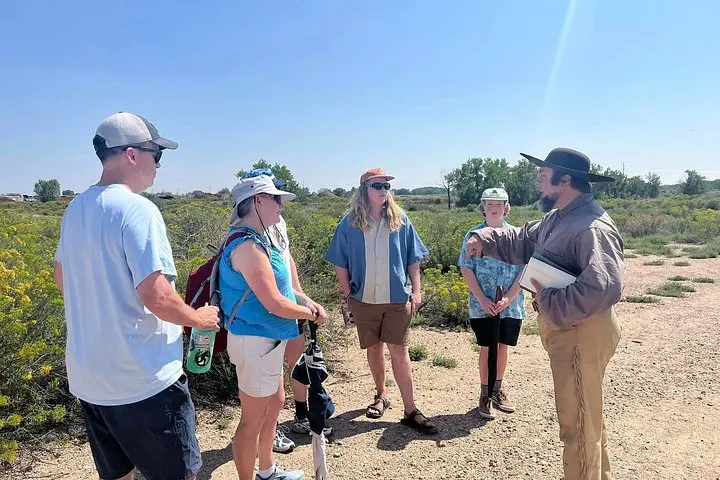
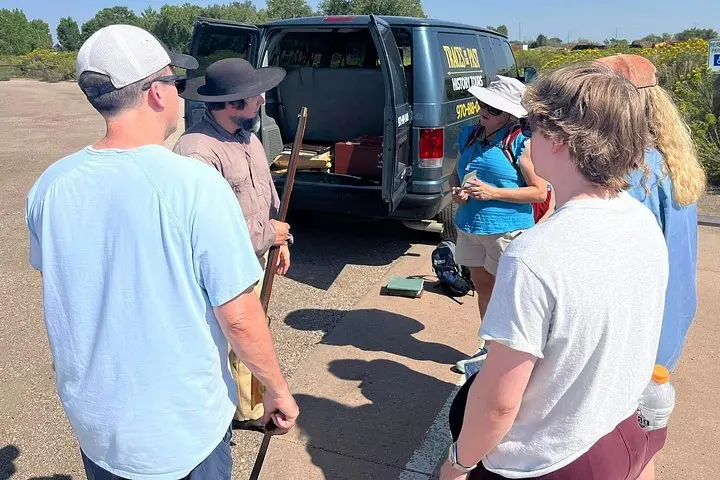
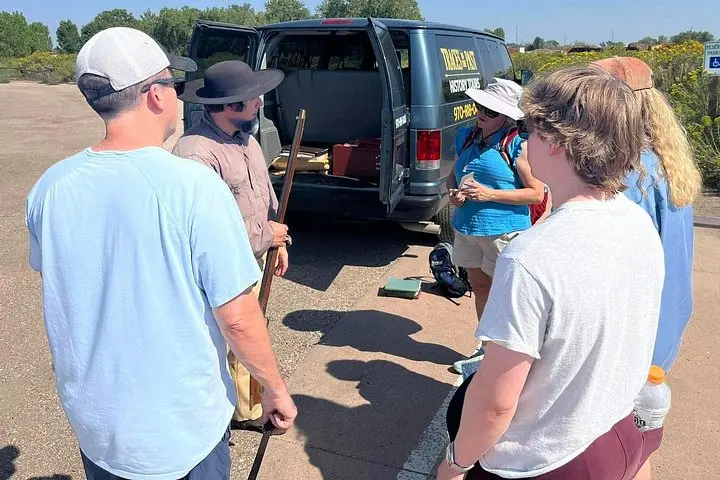
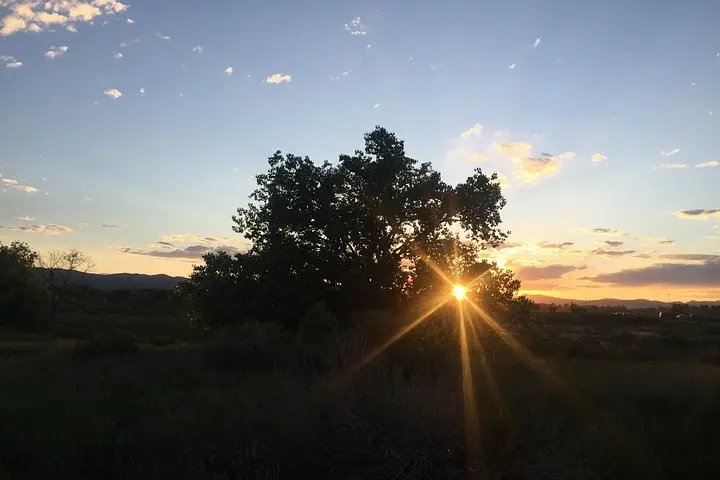
Step off pavement and into a corridor that still remembers the tread of early 19th‑century expeditions. The trail follows roughly two miles round‑trip along the north bank of the Cache la Poudre River, where the river’s current and the rim of the plains frame views of distant foothills. Spring cottonwoods whisper, and boxelder riparian pockets give the corridor a distinct, river‑edge character.
Step off pavement and into a corridor that still remembers the tread of early 19th‑century expeditions. The trail follows roughly two miles round‑trip along the north bank of the Cache la Poudre River, where the river’s current and the rim of the plains frame views of distant foothills. Spring cottonwoods whisper, and boxelder riparian pockets give the corridor a distinct, river‑edge character.
This route is a local chapter in the broader story of U.S. western exploration: Corps of Discovery parties pressed through the region in the early 1800s, and Stephen H. Long’s 1820 topographical team formalized maps and notes that would open the Poudre drainage to later travelers. Geologically, the area sits on alluvial terraces carved by glacial‑fed rivers and punctuated by cobble bars and sandy benches—the terrain hikers cross today is the product of centuries of river movement. Cultural context includes both Euro‑American exploration and the Native peoples whose trails and river crossings predated those expeditions; the tour weaves both threads into its narrative and offers hands‑on viewing of curated historic artifacts.
Practical guidance: expect roughly 2 miles and about 120 minutes at a steady interpretive pace, light uneven trails, and seasonal mud. Bring sturdy footwear, sun protection, and water; small group sizes make for an intimate experience but limit flexibility. If you want photos, aim for morning or late afternoon light when the river and foothills take on warm tones. The walk is interpretive—listen for local stories, handle objects when allowed, and stay on the corridor to protect the riparian habitat.