THE ADVENTURE COLLECTIVE® · Independent discovery and booking for outdoor travel

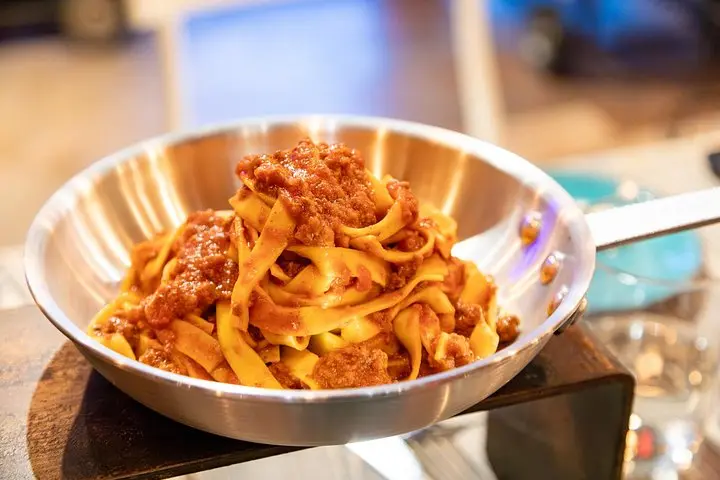
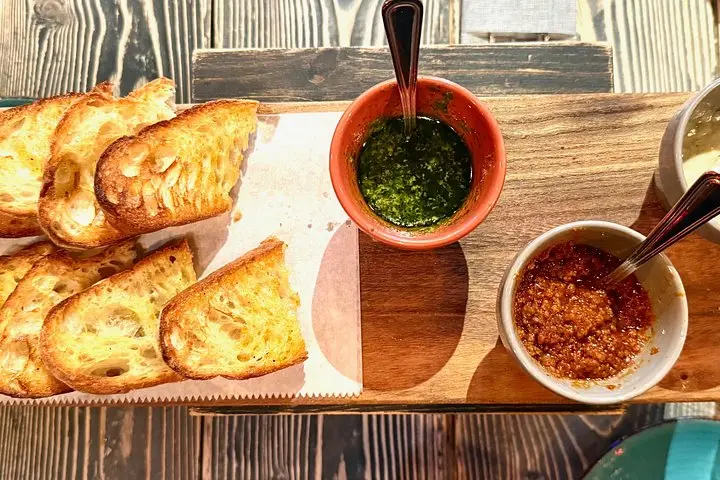
Step off Las Olas and into Fort Lauderdale’s quieter kitchens: a guided walk through four local stops where Georgian breads, Emilia‑Romagna pasta and modern desserts tell the city’s story. Expect 2–3 hours of tastings, river-side history, and practical tips for a comfortable culinary crawl.
Step off Las Olas and into Fort Lauderdale’s quieter kitchens: a guided walk through four local stops where Georgian breads, Emilia‑Romagna pasta and modern desserts tell the city’s story. Expect 2–3 hours of tastings, river-side history, and practical tips for a comfortable culinary crawl.
You meet the guide beneath the Smokers Family Park sign, the New River murmuring like a guidebook itself as boats glide past. The neighborhood smells of frying bread, citrus, and spices — a compact chorus of cultures that pushes you from one small door into another. The tour threads away from Las Olas’ crowds into side streets where diners, bakeries, and small bistros practice the quiet craft of feeding locals.
Verified experiences and guided adventures in the surrounding area.
Operated by Gastronomy City Tours · Fort Lauderdale, Florida
You meet the guide beneath the Smokers Family Park sign, the New River murmuring like a guidebook itself as boats glide past. The neighborhood smells of frying bread, citrus, and spices — a compact chorus of cultures that pushes you from one small door into another. The tour threads away from Las Olas’ crowds into side streets where diners, bakeries, and small bistros practice the quiet craft of feeding locals.
Fort Lauderdale’s waterfront shaped its appetite: a trading town in the early 20th century, it drew seafood, Caribbean and immigrant cooks who layered flavors into the modern menu. The geology is coastal—sandy, flat, carved by canals and mangrove-fed estuaries that channel seafood and salt into the city’s kitchens. Expect culinary influences from South America, the Mediterranean, Georgia, and Emilia‑Romagna as you move between four focused tastings and a beverage stop.
You’ll hear stories about the Stranahan family homestead, the city’s river commerce, and the small, immigrant-run kitchens that became landmarks. Local insight: chefs source from nearby markets and adapt global techniques to Florida’s produce and seafood.
Practical guidance: the route covers roughly 1.5–2 miles on mostly paved streets with a few shaded blocks; wear comfortable walking shoes and sun protection. Pace your tastings—portions are sharing-sized but rich—and bring a refillable water bottle. Weekends and winter months are busiest; book ahead and arrive 10 minutes early to the meeting point. The tour balances sensory discovery with practical rhythm: sip, taste, walk, and learn your way through Fort Lauderdale’s quieter culinary corners.
The tour lasts about 2–3 hours and covers roughly 1.5–2 miles on mostly flat, paved streets with frequent stops for tastings.
One beverage is included (alcoholic or non‑alcoholic depending on preference and age); additional drinks can be purchased at stops.
Guides can often accommodate common dietary needs if notified in advance—use the booking’s special requirements to specify allergies or restrictions.
It starts at the Smokers Family Park entrance and concludes at the Historic Stranahan House Museum in downtown Fort Lauderdale.
Gastronomy City Tours operates guided outdoor trips and adventures with an emphasis on safety, stewardship, and memorable experiences.
You meet the guide beneath the Smokers Family Park sign, the New River murmuring like a guidebook itself as boats glide past. The neighborhood smells of frying bread, citrus, and spices — a compact chorus of cultures that pushes you from one small door into another. The tour threads away from Las Olas’ crowds into side streets where diners, bakeries, and small bistros practice the quiet craft of feeding locals.
You meet the guide beneath the Smokers Family Park sign, the New River murmuring like a guidebook itself as boats glide past. The neighborhood smells of frying bread, citrus, and spices — a compact chorus of cultures that pushes you from one small door into another. The tour threads away from Las Olas’ crowds into side streets where diners, bakeries, and small bistros practice the quiet craft of feeding locals.
Fort Lauderdale’s waterfront shaped its appetite: a trading town in the early 20th century, it drew seafood, Caribbean and immigrant cooks who layered flavors into the modern menu. The geology is coastal—sandy, flat, carved by canals and mangrove-fed estuaries that channel seafood and salt into the city’s kitchens. Expect culinary influences from South America, the Mediterranean, Georgia, and Emilia‑Romagna as you move between four focused tastings and a beverage stop.
You’ll hear stories about the Stranahan family homestead, the city’s river commerce, and the small, immigrant-run kitchens that became landmarks. Local insight: chefs source from nearby markets and adapt global techniques to Florida’s produce and seafood.
Practical guidance: the route covers roughly 1.5–2 miles on mostly paved streets with a few shaded blocks; wear comfortable walking shoes and sun protection. Pace your tastings—portions are sharing-sized but rich—and bring a refillable water bottle. Weekends and winter months are busiest; book ahead and arrive 10 minutes early to the meeting point. The tour balances sensory discovery with practical rhythm: sip, taste, walk, and learn your way through Fort Lauderdale’s quieter culinary corners.