THE ADVENTURE COLLECTIVE® · Independent discovery and booking for outdoor travel

Explore shallow sandbars and barrier-island shores on a two-hour shelling cruise from Fort Myers Beach or Naples. Expect conchs, whelks, sand dollars, and a good chance to see dolphins or manatees while learning tide-based shelling tactics.
Explore shallow sandbars and barrier-island shores on a two-hour shelling cruise from Fort Myers Beach or Naples. Expect conchs, whelks, sand dollars, and a good chance to see dolphins or manatees while learning tide-based shelling tactics.
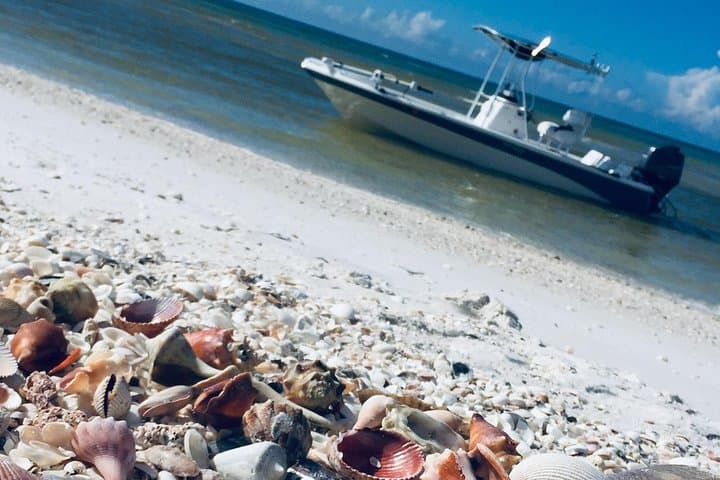
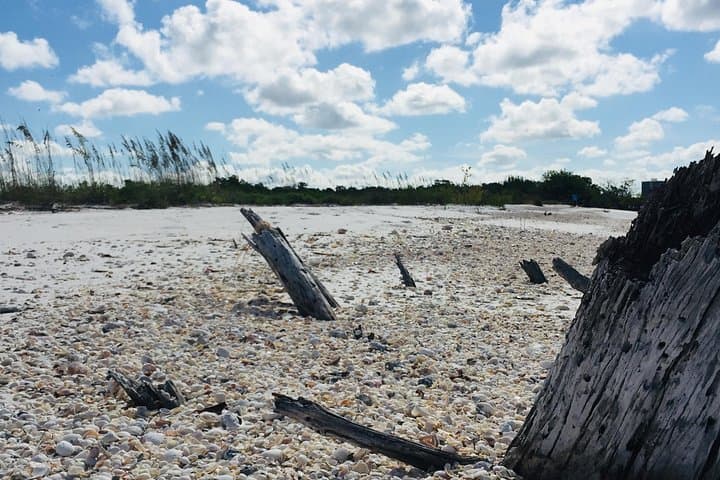
You step off the dock and the Gulf opens ahead like a wide, shifting shoal that dares you to comb its edges. Salt air pulls at your shirt as the captain eases the boat toward low islands—mottled sandbanks where broken shells gather in quiet drifts. Dolphins often arc alongside; manatees push through seagrass beds with patient intent.
Verified experiences and guided adventures in the surrounding area.
Operated by BeeLine Fishing Charters, LLC · Fort Myers Beach, Florida
You step off the dock and the Gulf opens ahead like a wide, shifting shoal that dares you to comb its edges. Salt air pulls at your shirt as the captain eases the boat toward low islands—mottled sandbanks where broken shells gather in quiet drifts. Dolphins often arc alongside; manatees push through seagrass beds with patient intent.
These shelling runs follow the arc of Lee County’s barrier islands—Sanibel, Captiva and the smaller sand keys—where longshore currents and storm-driven waves sort and deposit shells. Geology is simple and literal here: reef and mollusk remains ground by waves, concentrated on lee sides and tidal wracks. The region’s shelling reputation dates to early coastal settlers who traded rare finds and to Sanibel’s long-standing culture of casual collecting.
On a typical 2-hour trip you’ll anchor at shallow flats, walk the beach, wade, or swim short distances to rakes of sand and sandbar edges. Expect Florida fighting conchs, lightning whelks, sand dollars and smaller gastropods; the longer you stay, the better the chances of spotting the showier specimens.
Practical guidance: time the outing near low tide for exposed bars, bring reef shoes for uneven shells and seagrass, and pack a mesh bag and a small hand brush. Use reef-safe sunscreen, carry water, and secure cameras in a dry bag. Be mindful of wildlife—do not take living shells—and follow local rules for protected species. The tour is easy physically, family-friendly, and rewards patience and observant hands.
You may collect empty, uninhabited shells, but removing live animals is illegal and discouraged; check local rules for protected species.
Yes—boats stop at shallow spots where guests can walk beaches; non-swimmers can remain on the boat but should wear a life vest if wading.
Sightings are common but not guaranteed—dolphins often ride the bow and manatees appear near seagrass beds, especially in calmer waters.
Most departures are from Fort Myers Beach docks or nearby marinas; public parking is generally available but check the specific meeting point for details.
BeeLine Fishing Charters, LLC operates guided outdoor trips and adventures with an emphasis on safety, stewardship, and memorable experiences.


You step off the dock and the Gulf opens ahead like a wide, shifting shoal that dares you to comb its edges. Salt air pulls at your shirt as the captain eases the boat toward low islands—mottled sandbanks where broken shells gather in quiet drifts. Dolphins often arc alongside; manatees push through seagrass beds with patient intent.
You step off the dock and the Gulf opens ahead like a wide, shifting shoal that dares you to comb its edges. Salt air pulls at your shirt as the captain eases the boat toward low islands—mottled sandbanks where broken shells gather in quiet drifts. Dolphins often arc alongside; manatees push through seagrass beds with patient intent.
These shelling runs follow the arc of Lee County’s barrier islands—Sanibel, Captiva and the smaller sand keys—where longshore currents and storm-driven waves sort and deposit shells. Geology is simple and literal here: reef and mollusk remains ground by waves, concentrated on lee sides and tidal wracks. The region’s shelling reputation dates to early coastal settlers who traded rare finds and to Sanibel’s long-standing culture of casual collecting.
On a typical 2-hour trip you’ll anchor at shallow flats, walk the beach, wade, or swim short distances to rakes of sand and sandbar edges. Expect Florida fighting conchs, lightning whelks, sand dollars and smaller gastropods; the longer you stay, the better the chances of spotting the showier specimens.
Practical guidance: time the outing near low tide for exposed bars, bring reef shoes for uneven shells and seagrass, and pack a mesh bag and a small hand brush. Use reef-safe sunscreen, carry water, and secure cameras in a dry bag. Be mindful of wildlife—do not take living shells—and follow local rules for protected species. The tour is easy physically, family-friendly, and rewards patience and observant hands.