THE ADVENTURE COLLECTIVE® · Independent discovery and booking for outdoor travel

Short, scenic hike up to Fort Rodney with panoramic harbor views, followed by a relaxed beach break with refreshments. Perfect for travelers seeking a low-effort outdoor outing with cultural and natural highlights.
Short, scenic hike up to Fort Rodney with panoramic harbor views, followed by a relaxed beach break with refreshments. Perfect for travelers seeking a low-effort outdoor outing with cultural and natural highlights.
The trail begins with the island wind at your back and the harbor widening below — palms nod as you climb toward Fort Rodney, where a low stone rampart frames sweeping views of turquoise bays and volcanic ridge-lines. The climb is short and steady: coral-strewn steps, shaley earth, and shady casuarina groves that give way to sunlit outlooks where the Atlantic dares you to look beyond the reef.
Verified experiences and guided adventures in the surrounding area.
Operated by FRAM Tours & Taxi Services · Gros Islet, Castries District
The trail begins with the island wind at your back and the harbor widening below — palms nod as you climb toward Fort Rodney, where a low stone rampart frames sweeping views of turquoise bays and volcanic ridge-lines. The climb is short and steady: coral-strewn steps, shaley earth, and shady casuarina groves that give way to sunlit outlooks where the Atlantic dares you to look beyond the reef.
Pigeon Island’s Fort Rodney dates to the 18th century, when the British fortified the promontory to control channels into Castries. Geologically it’s a remnant basalt outcrop linked to St. Lucia’s volcanic past; you’ll notice dark, weathered rock underfoot and quick-draining soils that support salt-tolerant shrubs. Culturally the headland is a gathering place — local guides point out fishing boats, old rum storehouses, and the way the wind shapes local sailing traditions.
After savoring the panorama, the route drops to a protected beach cove where the sea invites a cool-down swim; complimentary refreshments and plantain snacks let you linger. Expect easy walking, brief exposed sections, and several photo stops rather than steep technical scrambling.
Practical notes: plan for 2–3 hours, bring reef-safe sunscreen, a refillable water bottle, and sturdy shoes with grip for uneven, sometimes sandy surfaces. Morning departures give clearer air and softer sun; late afternoon hugs the coast with warmer light. Guides on this tour provide a relaxed pace suitable for most fitness levels and handle local transport — so you focus on the climb, the view, and the dip in the sea.
The organized visit includes about 30–45 minutes of uphill walking to viewpoints, plus time at the top and the beach — total tour time is around 2–3 hours.
Guides accompany the group to the beach and provide basic safety oversight, but swimming is at your own comfort level; check for local currents before entering the water.
There are public restrooms near the Pigeon Island picnic and beach areas; facilities are basic but available before or after the hike.
The tour is labeled easy, but the route includes steps and uneven surfaces; travelers with significant mobility limitations should consult the operator in advance.
FRAM Tours & Taxi Services operates guided outdoor trips and adventures with an emphasis on safety, stewardship, and memorable experiences.
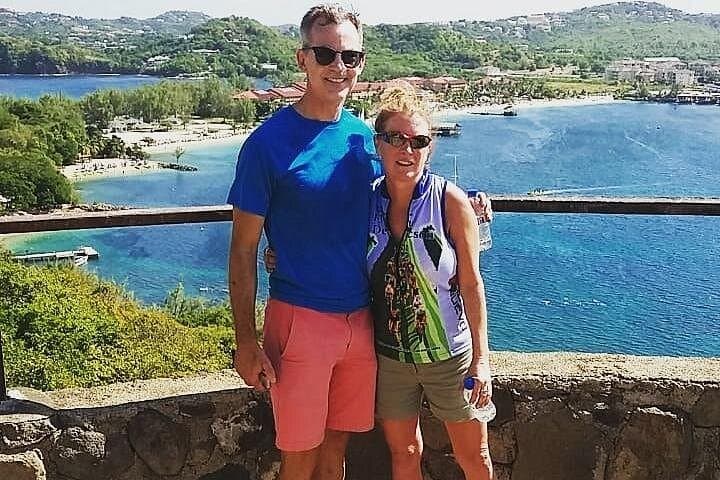
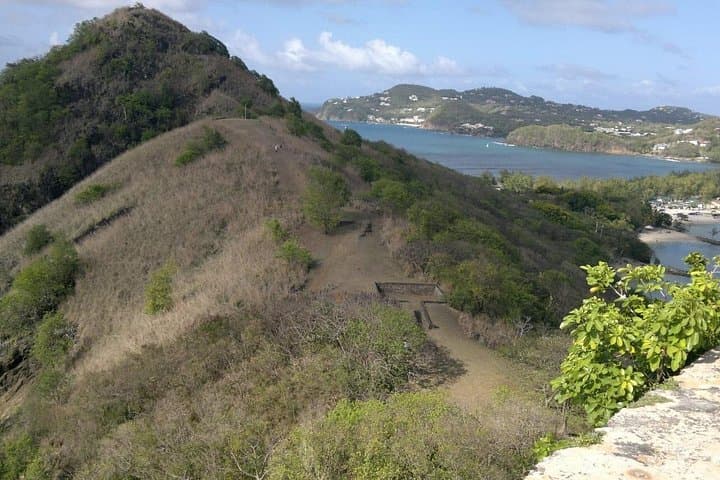
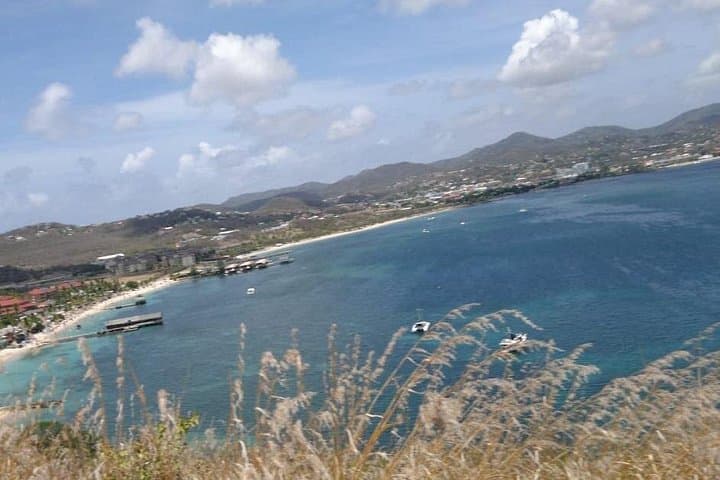
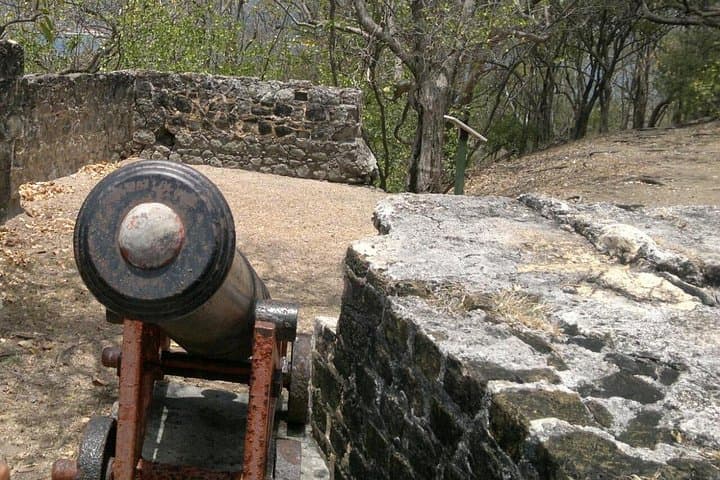
The trail begins with the island wind at your back and the harbor widening below — palms nod as you climb toward Fort Rodney, where a low stone rampart frames sweeping views of turquoise bays and volcanic ridge-lines. The climb is short and steady: coral-strewn steps, shaley earth, and shady casuarina groves that give way to sunlit outlooks where the Atlantic dares you to look beyond the reef.
The trail begins with the island wind at your back and the harbor widening below — palms nod as you climb toward Fort Rodney, where a low stone rampart frames sweeping views of turquoise bays and volcanic ridge-lines. The climb is short and steady: coral-strewn steps, shaley earth, and shady casuarina groves that give way to sunlit outlooks where the Atlantic dares you to look beyond the reef.
Pigeon Island’s Fort Rodney dates to the 18th century, when the British fortified the promontory to control channels into Castries. Geologically it’s a remnant basalt outcrop linked to St. Lucia’s volcanic past; you’ll notice dark, weathered rock underfoot and quick-draining soils that support salt-tolerant shrubs. Culturally the headland is a gathering place — local guides point out fishing boats, old rum storehouses, and the way the wind shapes local sailing traditions.
After savoring the panorama, the route drops to a protected beach cove where the sea invites a cool-down swim; complimentary refreshments and plantain snacks let you linger. Expect easy walking, brief exposed sections, and several photo stops rather than steep technical scrambling.
Practical notes: plan for 2–3 hours, bring reef-safe sunscreen, a refillable water bottle, and sturdy shoes with grip for uneven, sometimes sandy surfaces. Morning departures give clearer air and softer sun; late afternoon hugs the coast with warmer light. Guides on this tour provide a relaxed pace suitable for most fitness levels and handle local transport — so you focus on the climb, the view, and the dip in the sea.