THE ADVENTURE COLLECTIVE® · Independent discovery and booking for outdoor travel

Explore one of North America’s most complete 18th-century fort reconstructions on a four-hour guided tour of the Fortress of Louisbourg. Expect coastal weather, uneven historic surfaces, and rich context from guides who bring the siege-era town to life.
Explore one of North America’s most complete 18th-century fort reconstructions on a four-hour guided tour of the Fortress of Louisbourg. Expect coastal weather, uneven historic surfaces, and rich context from guides who bring the siege-era town to life.
A wind-driven Atlantic morning greets you as the minivan trundles toward the stone outline of the Fortress of Louisbourg. Salt-tanged air pushes against the windows, and the ramparts—battered but proud—loom into view, promising a four-hour window into 18th-century life on Cape Breton Island.
Verified experiences and guided adventures in the surrounding area.
Operated by Cruiztar Tours · Louisbourg, Nova Scotia
A wind-driven Atlantic morning greets you as the minivan trundles toward the stone outline of the Fortress of Louisbourg. Salt-tanged air pushes against the windows, and the ramparts—battered but proud—loom into view, promising a four-hour window into 18th-century life on Cape Breton Island.
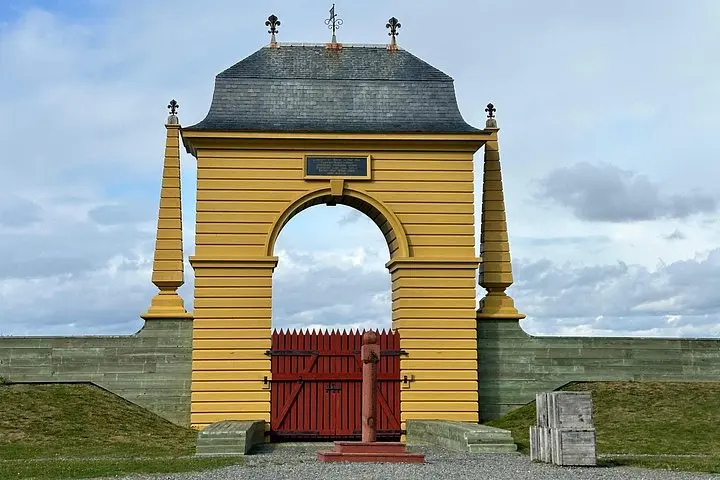
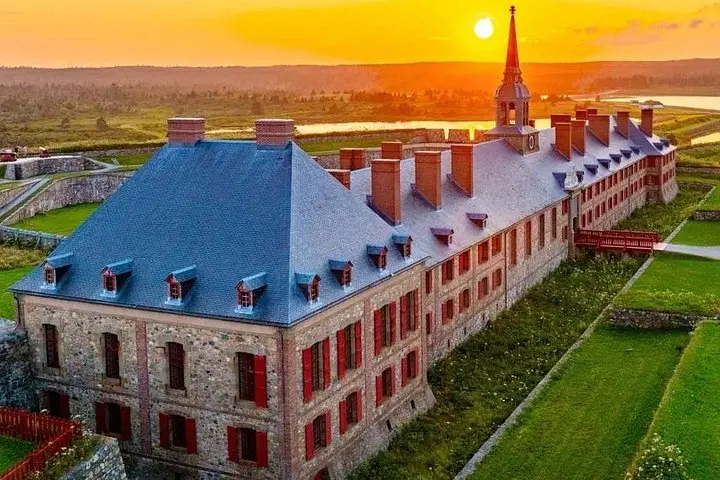
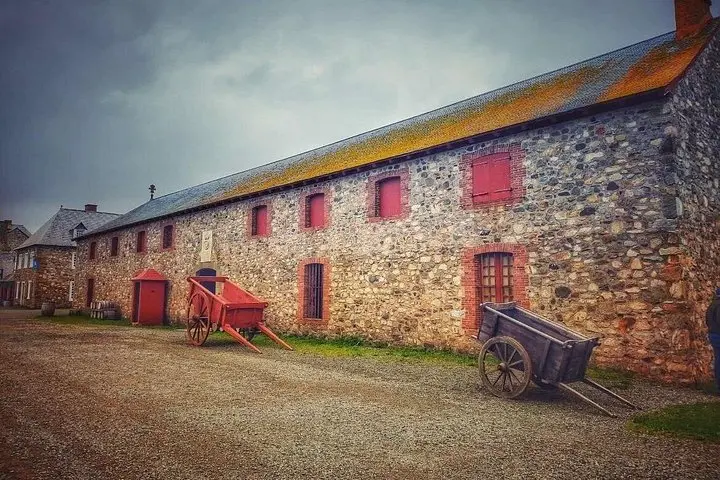
The site is a reconstructed French military town where earthworks, bastions, and wooden buildings recreate the era of colonial conflict and the 1758 siege that changed the map of North America. Geologically, the coast sits on Carboniferous and Devonian sediments cut by glacial sculpting; the shoreline’s low cliffs and pebble beaches reveal the island’s marine history as clearly as the fortress reveals human history.
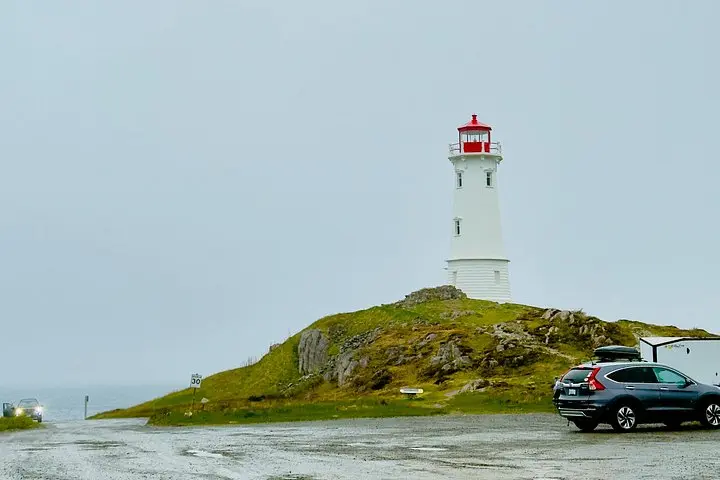
Local culture remains tied to the sea: fishing communities, Celtic music traditions, and Acadian and Mi’kmaq heritage inform displays and interpretation. Guides often point out subtle details—stonework repairs, replica gardens, and the site of Canada’s earliest lighthouse—that deepen the story beyond cannon and uniforms.
Practical guide: tours last about four hours and include entrance fees and bottled water. Expect moderate walking on uneven historical surfaces and short stair sections inside reconstructed buildings. Dress in layers; weather on the eastern Cape Breton coast is changeable and can be windy even in summer.
Timing tips: arrive early for clear light on the ramparts, bring a compact rain shell, and budget time afterwards to drive the coastal loop to see the ruins of older lighthouses and small fishing coves.
The standard tour runs about four hours and includes entrance fees and bottled water; you’ll have time for guided and self-guided exploration of the fortress.
Paths vary—some areas have uneven surfaces and stairs, but main visitor areas and interpretive exhibits offer access; check with Parks Canada for specifics.
Tours generally operate in most conditions; the site remains open in light rain—check cancellation policies for extreme weather events.
Yes—drive the coast to nearby lighthouses, small fishing villages, and the Cabot Trail for extended exploration of Cape Breton Island.
Cruiztar Tours operates guided outdoor trips and adventures with an emphasis on safety, stewardship, and memorable experiences.
A wind-driven Atlantic morning greets you as the minivan trundles toward the stone outline of the Fortress of Louisbourg. Salt-tanged air pushes against the windows, and the ramparts—battered but proud—loom into view, promising a four-hour window into 18th-century life on Cape Breton Island.
A wind-driven Atlantic morning greets you as the minivan trundles toward the stone outline of the Fortress of Louisbourg. Salt-tanged air pushes against the windows, and the ramparts—battered but proud—loom into view, promising a four-hour window into 18th-century life on Cape Breton Island.
The site is a reconstructed French military town where earthworks, bastions, and wooden buildings recreate the era of colonial conflict and the 1758 siege that changed the map of North America. Geologically, the coast sits on Carboniferous and Devonian sediments cut by glacial sculpting; the shoreline’s low cliffs and pebble beaches reveal the island’s marine history as clearly as the fortress reveals human history.
Local culture remains tied to the sea: fishing communities, Celtic music traditions, and Acadian and Mi’kmaq heritage inform displays and interpretation. Guides often point out subtle details—stonework repairs, replica gardens, and the site of Canada’s earliest lighthouse—that deepen the story beyond cannon and uniforms.
Practical guide: tours last about four hours and include entrance fees and bottled water. Expect moderate walking on uneven historical surfaces and short stair sections inside reconstructed buildings. Dress in layers; weather on the eastern Cape Breton coast is changeable and can be windy even in summer.
Timing tips: arrive early for clear light on the ramparts, bring a compact rain shell, and budget time afterwards to drive the coastal loop to see the ruins of older lighthouses and small fishing coves.