THE ADVENTURE COLLECTIVE® · Independent discovery and booking for outdoor travel

Cross four borders in one day from Zurich: climb viewpoints in Vaduz, ride the Pfänder views in Bregenz, wander Lindau’s harbor, and feel the spray of Rhine Falls. This practical day trip balances alpine scenery, short walks, and cultural stops across Liechtenstein, Austria, Germany and Switzerland.
Cross four borders in one day from Zurich: climb viewpoints in Vaduz, ride the Pfänder views in Bregenz, wander Lindau’s harbor, and feel the spray of Rhine Falls. This practical day trip balances alpine scenery, short walks, and cultural stops across Liechtenstein, Austria, Germany and Switzerland.
Morning fog lifts off the Limmat as a driver-guide collects the group from central Zurich and the road slips into alpine light.
Verified experiences and guided adventures in the surrounding area.
Operated by AlpTransfer & AlpExcursion · Zurich, Canton of Zurich
Morning fog lifts off the Limmat as a driver-guide collects the group from central Zurich and the road slips into alpine light.
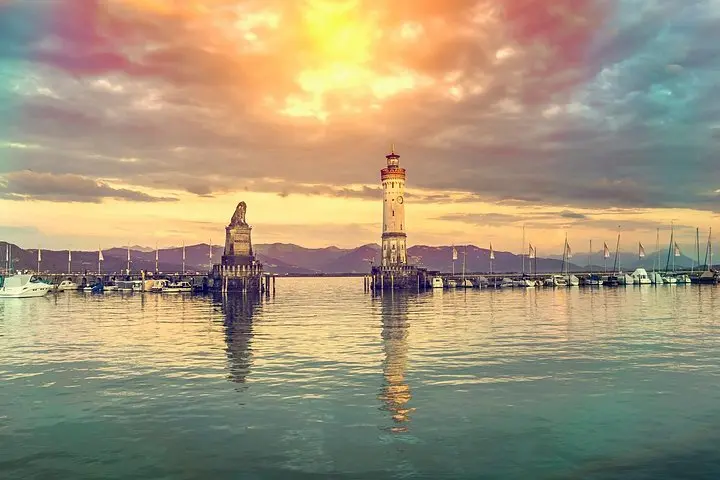
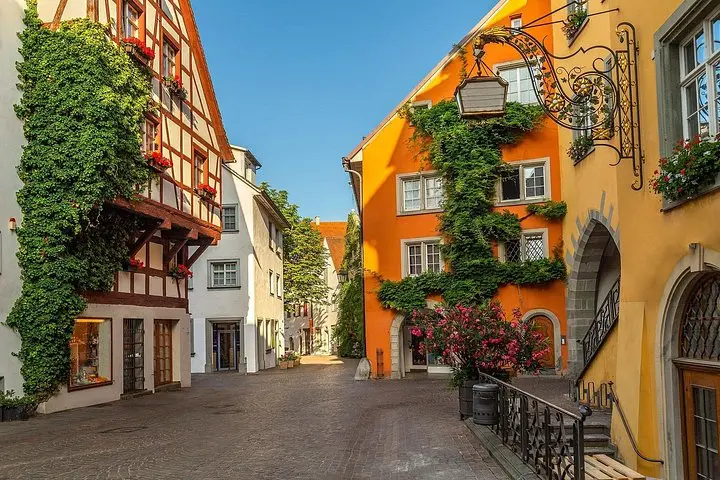
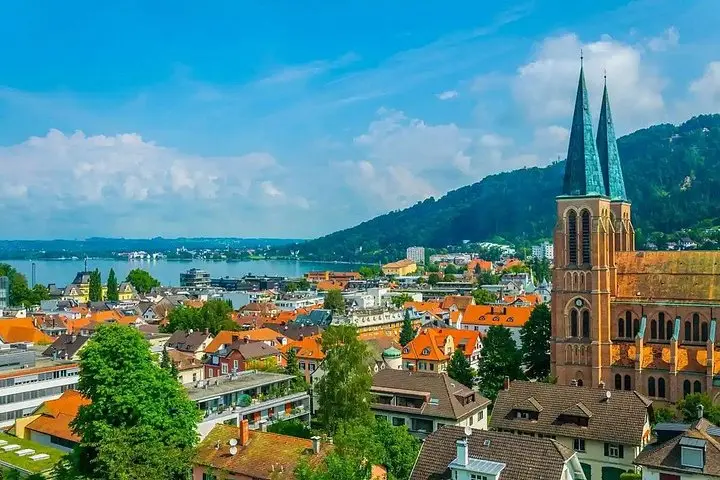
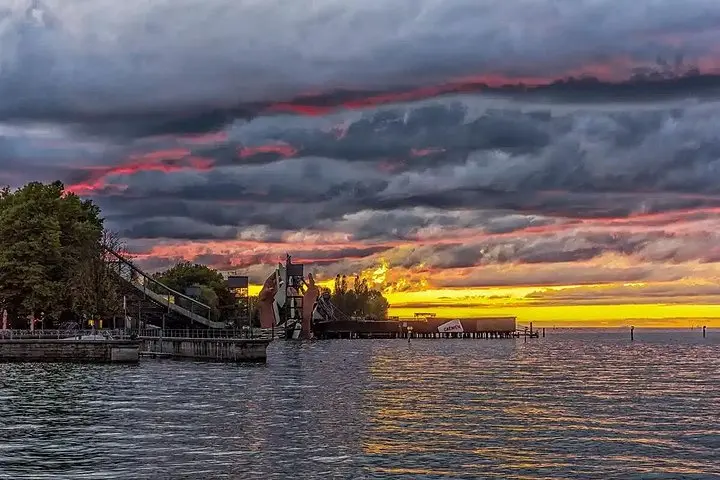
By mid-morning the compact principality of Vaduz opens up—stone houses climbing toward Vaduz Castle, political life centered on Peter-Kaiser-Platz, and the Alps pressing close enough to feel. The route then skirts Lake Constance, where Bregenz frames open water against Pfänder Mountain’s ridgeline; the city’s modern Kunsthaus and lakeside promenades offer a quiet contrast to Lindau’s medieval harbor, where the Bavarian lion and lighthouse mark a photogenic entrance. Later the Rhine Falls announces itself: thunderous, spray-driven, and older than the tourist booths, a waterfall carved by glacial melt and hard schist long after the last ice age.
This loop stitches short histories together—Vaduz’s castle origins in the 12th century, Bregenz’s role as Vorarlberg’s cultural hub, Lindau’s Hanseatic-era harbor, and the Rhine Falls’ geological story—while also tracing regional culture from Alemannic dialects to cross-border commuting.
Practical guidance: expect an 11-hour day with multiple short walks and viewpoints rather than long hikes. Carry photo protection against spray, a waterproof outer layer, and both Swiss francs and euros (Switzerland and Liechtenstein use CHF; Austria and Germany use EUR). Border crossings are uncomplicated within Schengen but keep ID handy. Book the summer boat at Rhine Falls if you want the close-up thrill; in winter rely on platforms and the festive markets in Stein am Rhein. Pace your day: mornings are best for quieter vistas, afternoons for markets and golden light on the lake.
Carry your passport or national ID—these countries are in Schengen so routine passport control is rare, but ID is required for pick-up and any incidental checks.
Meals are generally not included; plan for a lunch stop and bring snacks or euros/CHF for cafés, especially in smaller towns.
Boat trips operate seasonally (mainly late spring to early autumn); in winter viewing platforms remain open but close-up rides are limited.
The tour involves short walks and stairs at viewpoints; it’s broadly accessible but not fully wheelchair-friendly at all stops—check with the operator for specific assistance.
AlpTransfer & AlpExcursion operates guided outdoor trips and adventures with an emphasis on safety, stewardship, and memorable experiences.
Morning fog lifts off the Limmat as a driver-guide collects the group from central Zurich and the road slips into alpine light.
Morning fog lifts off the Limmat as a driver-guide collects the group from central Zurich and the road slips into alpine light.
By mid-morning the compact principality of Vaduz opens up—stone houses climbing toward Vaduz Castle, political life centered on Peter-Kaiser-Platz, and the Alps pressing close enough to feel. The route then skirts Lake Constance, where Bregenz frames open water against Pfänder Mountain’s ridgeline; the city’s modern Kunsthaus and lakeside promenades offer a quiet contrast to Lindau’s medieval harbor, where the Bavarian lion and lighthouse mark a photogenic entrance. Later the Rhine Falls announces itself: thunderous, spray-driven, and older than the tourist booths, a waterfall carved by glacial melt and hard schist long after the last ice age.
This loop stitches short histories together—Vaduz’s castle origins in the 12th century, Bregenz’s role as Vorarlberg’s cultural hub, Lindau’s Hanseatic-era harbor, and the Rhine Falls’ geological story—while also tracing regional culture from Alemannic dialects to cross-border commuting.
Practical guidance: expect an 11-hour day with multiple short walks and viewpoints rather than long hikes. Carry photo protection against spray, a waterproof outer layer, and both Swiss francs and euros (Switzerland and Liechtenstein use CHF; Austria and Germany use EUR). Border crossings are uncomplicated within Schengen but keep ID handy. Book the summer boat at Rhine Falls if you want the close-up thrill; in winter rely on platforms and the festive markets in Stein am Rhein. Pace your day: mornings are best for quieter vistas, afternoons for markets and golden light on the lake.