THE ADVENTURE COLLECTIVE® · Independent discovery and booking for outdoor travel

Soar at sunrise over Luxor, walk the Valley of the Kings, and travel south to Abu Simbel and Philae across four days. This practical guide orients you to the logistics, history, and realistic expectations for a compact Nile-temple circuit.
Soar at sunrise over Luxor, walk the Valley of the Kings, and travel south to Abu Simbel and Philae across four days. This practical guide orients you to the logistics, history, and realistic expectations for a compact Nile-temple circuit.
You lift before dawn and the desert sky is already changing color; burners hiss, and a wicker basket gathers a dozen quiet travelers as the hot-air balloon climbs over the Nile’s floodplain. Below, the East Bank’s temples and the scattered palms move like a theater set, and the air smells faintly of dust and diesel from the city that never fully sleeps.
Verified experiences and guided adventures in the surrounding area.
Operated by Best Of Egypt Tours · Luxor, Luxor Governorate
You lift before dawn and the desert sky is already changing color; burners hiss, and a wicker basket gathers a dozen quiet travelers as the hot-air balloon climbs over the Nile’s floodplain. Below, the East Bank’s temples and the scattered palms move like a theater set, and the air smells faintly of dust and diesel from the city that never fully sleeps.
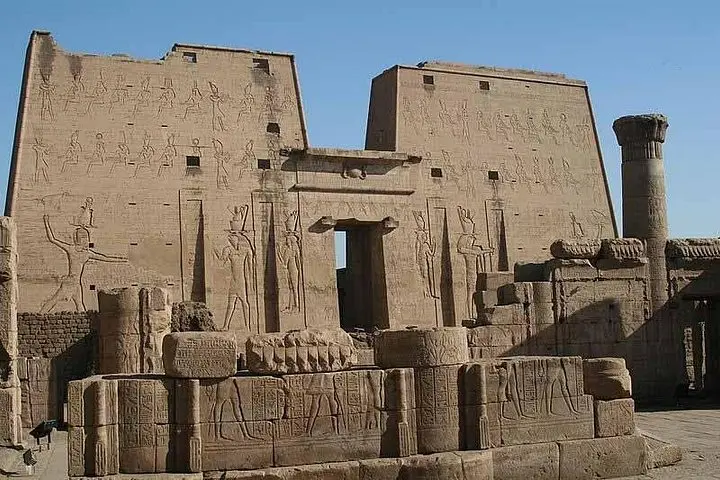
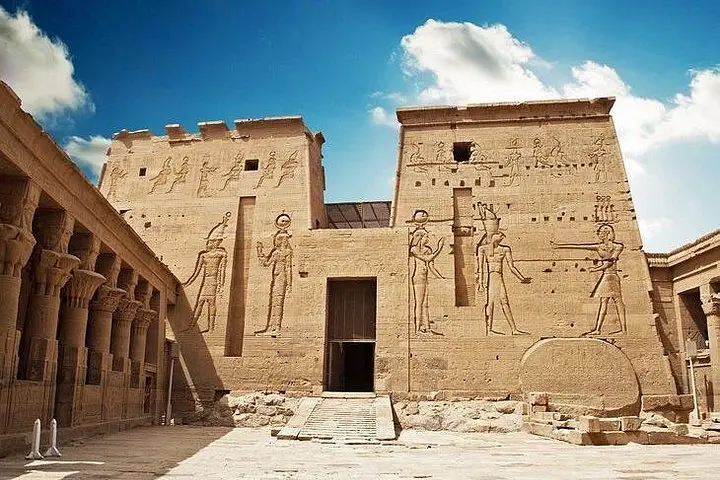
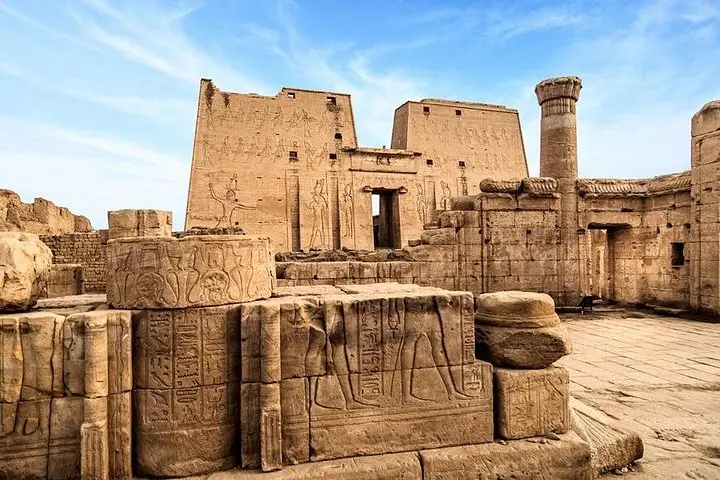
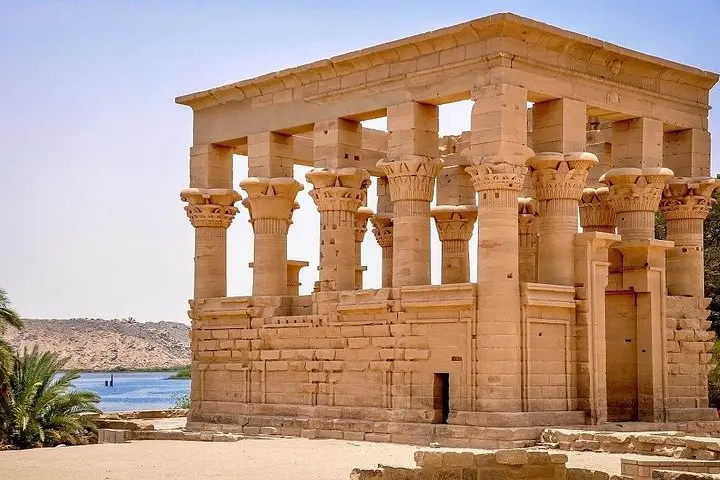
This four-day loop links Luxor’s Valley of the Kings and Karnak with a sunrise balloon, then follows the river south to Aswan and Abu Simbel. Geology here is blunt—limestone cliffs and Nile silt—while human history is layered and public: New Kingdom tombs carved into bedrock, monumental sandstone temples relocated in the 1960s to save them from the High Dam reservoir, and Philae’s temple complex ferrying you to stories of Isis and Roman-era reuse.
Expect long but gentle days: short walks through packed-sand corridors, stairs inside tombs, boat hops at Philae, and a four-hour roundtrip for Abu Simbel if you go early. The hot-air balloon is weather-dependent and rewards early risers with light and low winds. Practicalities matter—carry a refillable water bottle, light long-sleeve layers for strong sun and cooler mornings, and comfortable, grippy shoes for uneven temple floors.
Timing and documents are important: flights between Cairo and Luxor are included, and guided entries manage ticketing at major sites. Bring photocopies of your passport, some Egyptian pounds for tips and snacks, and leave room in your schedule for security checks. This itinerary blends cinematic sights with careful logistics: arrive rested and you’ll move easily from monumental façades to silent burial chambers and back again.
The itinerary lists a hot-air balloon trip; flights are operated by licensed firms and are generally safe, though they depend on morning wind conditions and can be canceled for weather.
Abu Simbel is about 280 km southwest of Aswan; an early-morning roundtrip by vehicle or coach takes several hours—plan most of the day for the excursion.
The package includes guided visits and many admissions, but confirm which specific tombs at the Valley of the Kings are covered since some tombs require separate tickets.
Many sites offer limited accessibility; boat transfers and temple grounds include uneven surfaces, but the tour lists general wheelchair-accessible options—check with the operator for details on specific mobility needs.
Best Of Egypt Tours operates guided outdoor trips and adventures with an emphasis on safety, stewardship, and memorable experiences.
You lift before dawn and the desert sky is already changing color; burners hiss, and a wicker basket gathers a dozen quiet travelers as the hot-air balloon climbs over the Nile’s floodplain. Below, the East Bank’s temples and the scattered palms move like a theater set, and the air smells faintly of dust and diesel from the city that never fully sleeps.
You lift before dawn and the desert sky is already changing color; burners hiss, and a wicker basket gathers a dozen quiet travelers as the hot-air balloon climbs over the Nile’s floodplain. Below, the East Bank’s temples and the scattered palms move like a theater set, and the air smells faintly of dust and diesel from the city that never fully sleeps.
This four-day loop links Luxor’s Valley of the Kings and Karnak with a sunrise balloon, then follows the river south to Aswan and Abu Simbel. Geology here is blunt—limestone cliffs and Nile silt—while human history is layered and public: New Kingdom tombs carved into bedrock, monumental sandstone temples relocated in the 1960s to save them from the High Dam reservoir, and Philae’s temple complex ferrying you to stories of Isis and Roman-era reuse.
Expect long but gentle days: short walks through packed-sand corridors, stairs inside tombs, boat hops at Philae, and a four-hour roundtrip for Abu Simbel if you go early. The hot-air balloon is weather-dependent and rewards early risers with light and low winds. Practicalities matter—carry a refillable water bottle, light long-sleeve layers for strong sun and cooler mornings, and comfortable, grippy shoes for uneven temple floors.
Timing and documents are important: flights between Cairo and Luxor are included, and guided entries manage ticketing at major sites. Bring photocopies of your passport, some Egyptian pounds for tips and snacks, and leave room in your schedule for security checks. This itinerary blends cinematic sights with careful logistics: arrive rested and you’ll move easily from monumental façades to silent burial chambers and back again.