THE ADVENTURE COLLECTIVE® · Independent discovery and booking for outdoor travel

Cross the High Atlas, trace the Draa Valley and spend a night under the stars on Erg Chebbi dunes. This four-day route combines culture, geology, and a sunrise camel trek to give a practical, authentic taste of Berber desert life.
Cross the High Atlas, trace the Draa Valley and spend a night under the stars on Erg Chebbi dunes. This four-day route combines culture, geology, and a sunrise camel trek to give a practical, authentic taste of Berber desert life.
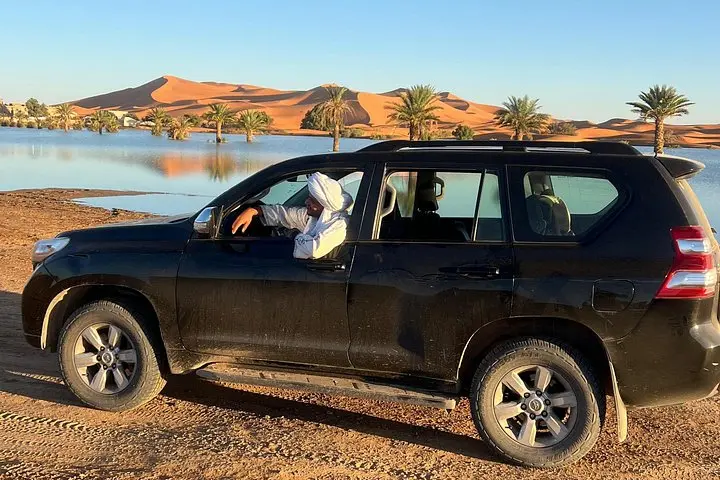
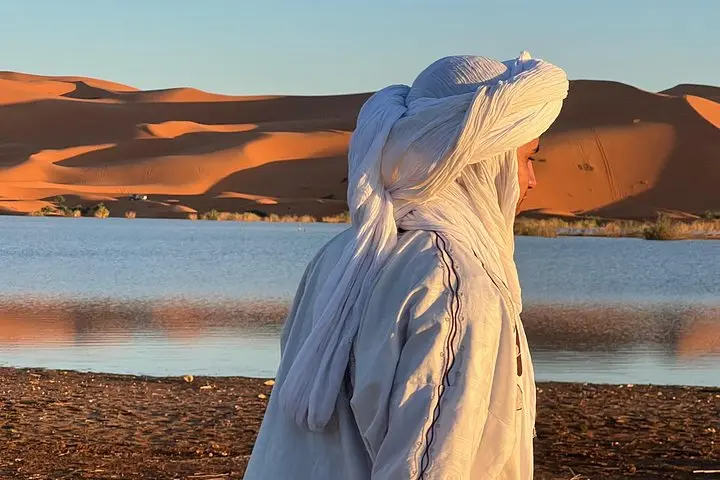
A pale dawn slides across the dunes as you climb down from a camel’s steady gait — wind shaping ridges behind you like an artist erasing and redrawing a line. Over four days this route moves from the ochre kasbahs and zigzag roads of the High Atlas through gorges and palm-lined valleys to the rippling heights of Erg Chebbi outside Merzouga.
Verified experiences and guided adventures in the surrounding area.
Operated by Explore Morocco with Azddine · Merzouga, Drâa-Tafilalet
A pale dawn slides across the dunes as you climb down from a camel’s steady gait — wind shaping ridges behind you like an artist erasing and redrawing a line. Over four days this route moves from the ochre kasbahs and zigzag roads of the High Atlas through gorges and palm-lined valleys to the rippling heights of Erg Chebbi outside Merzouga.
Geology and history are on fast-forward here: the Tizi n'Tichka pass (about 2,260 m) gives way to folded limestone and red sandstone canyons carved by ephemeral rivers, then to the Draa Valley’s date-palms irrigated by ancient qanat and flood systems. The area is culturally Berber — villages such as Nkob and small kasbahs speak to trans-Saharan trade, while modern guides keep those routes alive.
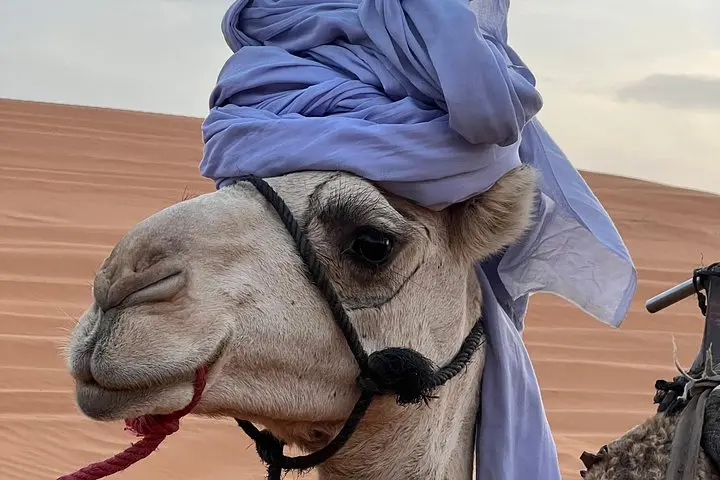
Expect long drives on paved mountain roads, short hikes through rocky gorges, and soft-sand navigation on camels and by foot on the dunes (Erg Chebbi dunes can reach ~150 m). Activities include a sunrise or sunset camel trek, a night in a desert camp under clear skies, sandboarding, and relaxed visits to oases and kasbahs.
Practical guidance: bring layered clothing for hot days and chilly nights, sun protection, and sturdy closed-toe shoes for walking over mixed terrain. Plan for several hours of driving between stops; motion-sickness remedies and reusable water bottles are useful. If you want photography at first light, ask your guide to time the camel ride for sunrise. Local guides are fluent in English, French, and Spanish and arrange accommodations from guesthouses to luxury tents, making this an accessible, immersive desert passage.
Yes — the itinerary is paced with hotel and camp nights and short activities; however, long drives and camel rides may be uncomfortable for very young children or people with limited mobility.
The tour includes accommodations (guesthouse, Dades Valley night, and a luxury desert camp), dinner and breakfast for those nights, and bottled water; check the operator for any additional meal arrangements.
Spring (March–May) and fall (September–November) offer mild days and comfortable nights; winter has cold nights and summer can be very hot during daytime.
Large luggage stays in the vehicle; bring a small overnight bag for the camel trek and camp night — the operator will advise size limits.
Explore Morocco with Azddine operates guided outdoor trips and adventures with an emphasis on safety, stewardship, and memorable experiences.
A pale dawn slides across the dunes as you climb down from a camel’s steady gait — wind shaping ridges behind you like an artist erasing and redrawing a line. Over four days this route moves from the ochre kasbahs and zigzag roads of the High Atlas through gorges and palm-lined valleys to the rippling heights of Erg Chebbi outside Merzouga.
A pale dawn slides across the dunes as you climb down from a camel’s steady gait — wind shaping ridges behind you like an artist erasing and redrawing a line. Over four days this route moves from the ochre kasbahs and zigzag roads of the High Atlas through gorges and palm-lined valleys to the rippling heights of Erg Chebbi outside Merzouga.
Geology and history are on fast-forward here: the Tizi n'Tichka pass (about 2,260 m) gives way to folded limestone and red sandstone canyons carved by ephemeral rivers, then to the Draa Valley’s date-palms irrigated by ancient qanat and flood systems. The area is culturally Berber — villages such as Nkob and small kasbahs speak to trans-Saharan trade, while modern guides keep those routes alive.
Expect long drives on paved mountain roads, short hikes through rocky gorges, and soft-sand navigation on camels and by foot on the dunes (Erg Chebbi dunes can reach ~150 m). Activities include a sunrise or sunset camel trek, a night in a desert camp under clear skies, sandboarding, and relaxed visits to oases and kasbahs.
Practical guidance: bring layered clothing for hot days and chilly nights, sun protection, and sturdy closed-toe shoes for walking over mixed terrain. Plan for several hours of driving between stops; motion-sickness remedies and reusable water bottles are useful. If you want photography at first light, ask your guide to time the camel ride for sunrise. Local guides are fluent in English, French, and Spanish and arrange accommodations from guesthouses to luxury tents, making this an accessible, immersive desert passage.