THE ADVENTURE COLLECTIVE® · Independent discovery and booking for outdoor travel

Sail four days along the Nile from Aswan to Luxor, visiting Abu Simbel, Kom Ombo and Edfu while staying aboard a five-star cruise. Expect early starts, guided temple tours, and a mix of relaxed river time and concentrated archaeology.
Sail four days along the Nile from Aswan to Luxor, visiting Abu Simbel, Kom Ombo and Edfu while staying aboard a five-star cruise. Expect early starts, guided temple tours, and a mix of relaxed river time and concentrated archaeology.
You step onto the cruise deck as the river breathes its slow, ancient rhythm under a copper sky. Sandbanks slide past like pages; fishermen in feluccas wave from narrow inlets while the cruise’s silhouette cuts a steady line toward temples that rise from the desert like stone memory.
Verified experiences and guided adventures in the surrounding area.
Operated by Luxor Best Tours · Aswan, Aswan Governorate
You step onto the cruise deck as the river breathes its slow, ancient rhythm under a copper sky. Sandbanks slide past like pages; fishermen in feluccas wave from narrow inlets while the cruise’s silhouette cuts a steady line toward temples that rise from the desert like stone memory.
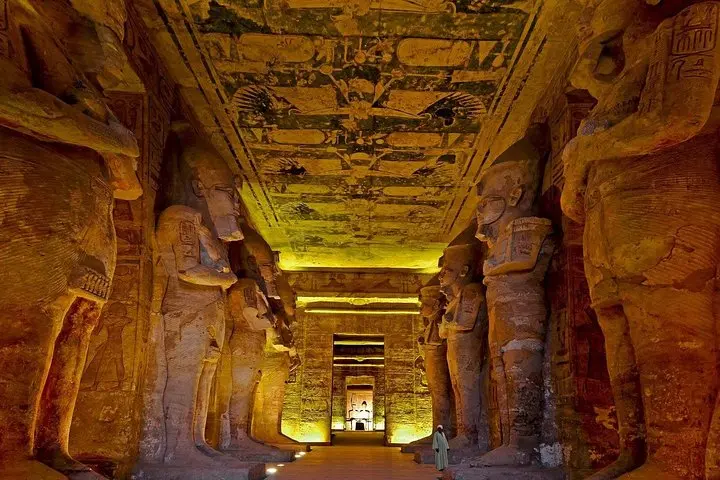
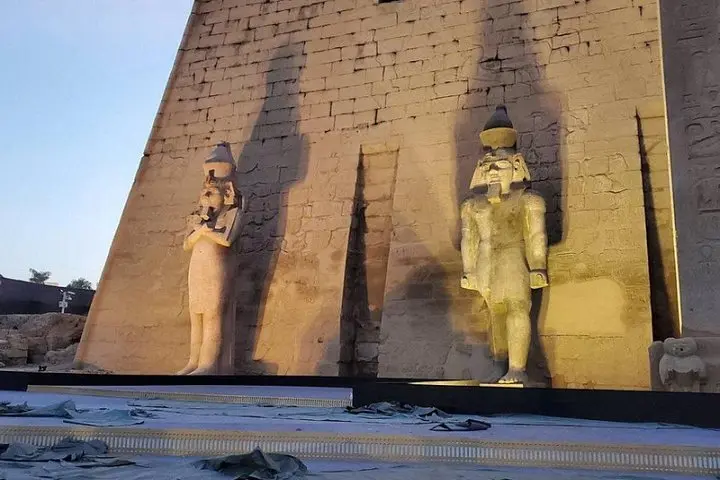
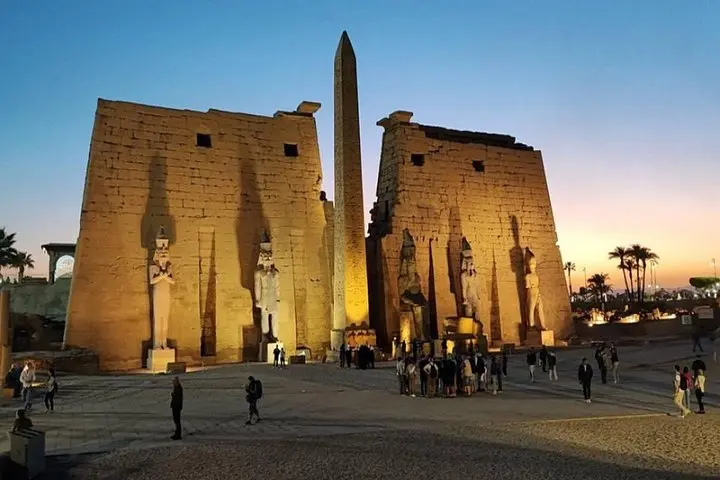
This four-day itinerary threads modern comforts with millennia-old monuments. The Nile’s floodplain—built from alluvial silt deposited over millennia—carried the wealth that fueled Thebes, while sandstone quarries and royal workshops crafted temples for gods and pharaohs. From Ramses II’s hulking faces at Abu Simbel to the twin sanctuaries at Kom Ombo and Horus’s nearly intact cult center at Edfu, the route is a compact history of New Kingdom ambition, Ptolemaic devotion, and modern engineering (see the Aswan High Dam and Lake Nasser).
You’ll encounter Nubian culture in local markets and island hamlets, and learn how the river governs life here—agriculture, ferry crossings, and seasonal migrations of birds and fish.
Practical notes: expect early mornings (Abu Simbel day starts pre-dawn), repeated short walks on uneven stone, and boarding launches to island temples. Dress conservatively for sites; a sun hat and layered clothing will keep you comfortable from desert heat to cool evenings on deck. Carry cash for small purchases and tipping; most entrance fees and guided visits are included but local vendors accept only Egyptian pounds. Hydrate frequently, pace your temple visits to avoid midday heat, and confirm passport and visa requirements before travel.
This cruise pairs relaxed navigation with intense archaeological encounters—easy-going days on water punctuated by immersive walks into Egypt’s past.
Most guided visits listed (Philae, Kom Ombo, Edfu, Valley of the Kings) are included, but specific tomb access and optional extras may require additional local fees.
The drive from Aswan to Abu Simbel is about 3–4 hours each way (roughly 290 km total round-trip), which is why departures start early in the morning.
Yes — the cruise includes full-board meals (breakfast, lunch, dinner) for the three nights on board as noted in the itinerary.
Modest, breathable clothing that covers shoulders and knees is recommended; comfortable closed-toe shoes are necessary for steps and uneven surfaces.
Luxor Best Tours operates guided outdoor trips and adventures with an emphasis on safety, stewardship, and memorable experiences.

You step onto the cruise deck as the river breathes its slow, ancient rhythm under a copper sky. Sandbanks slide past like pages; fishermen in feluccas wave from narrow inlets while the cruise’s silhouette cuts a steady line toward temples that rise from the desert like stone memory.
You step onto the cruise deck as the river breathes its slow, ancient rhythm under a copper sky. Sandbanks slide past like pages; fishermen in feluccas wave from narrow inlets while the cruise’s silhouette cuts a steady line toward temples that rise from the desert like stone memory.
This four-day itinerary threads modern comforts with millennia-old monuments. The Nile’s floodplain—built from alluvial silt deposited over millennia—carried the wealth that fueled Thebes, while sandstone quarries and royal workshops crafted temples for gods and pharaohs. From Ramses II’s hulking faces at Abu Simbel to the twin sanctuaries at Kom Ombo and Horus’s nearly intact cult center at Edfu, the route is a compact history of New Kingdom ambition, Ptolemaic devotion, and modern engineering (see the Aswan High Dam and Lake Nasser).
You’ll encounter Nubian culture in local markets and island hamlets, and learn how the river governs life here—agriculture, ferry crossings, and seasonal migrations of birds and fish.
Practical notes: expect early mornings (Abu Simbel day starts pre-dawn), repeated short walks on uneven stone, and boarding launches to island temples. Dress conservatively for sites; a sun hat and layered clothing will keep you comfortable from desert heat to cool evenings on deck. Carry cash for small purchases and tipping; most entrance fees and guided visits are included but local vendors accept only Egyptian pounds. Hydrate frequently, pace your temple visits to avoid midday heat, and confirm passport and visa requirements before travel.
This cruise pairs relaxed navigation with intense archaeological encounters—easy-going days on water punctuated by immersive walks into Egypt’s past.