THE ADVENTURE COLLECTIVE® · Independent discovery and booking for outdoor travel

Sail the Nile between Aswan and Luxor on a three-night cruise that pairs onboard comfort with guided visits to Abu Simbel, Philae, Kom Ombo, Edfu, Karnak and the Valley of the Kings. Includes overnight trains to/from Cairo, full board meals, and Egyptology-led tours.
Sail the Nile between Aswan and Luxor on a three-night cruise that pairs onboard comfort with guided visits to Abu Simbel, Philae, Kom Ombo, Edfu, Karnak and the Valley of the Kings. Includes overnight trains to/from Cairo, full board meals, and Egyptology-led tours.
Steam of warm air lifts off the black water as the cruise eases away from Aswan at first light. On deck, the river narrows between low, ochre cliffs and clustered Nubian houses; fishermen in small boats cut across the ship’s wake while date palms punctuate the shore. The pace is deliberate—meals, an afternoon dip in the pool, and guided walks ashore to temples older than most nation-states.
Verified experiences and guided adventures in the surrounding area.
Operated by Mody Egypt Tours · Aswan, Aswan Governorate
Steam of warm air lifts off the black water as the cruise eases away from Aswan at first light. On deck, the river narrows between low, ochre cliffs and clustered Nubian houses; fishermen in small boats cut across the ship’s wake while date palms punctuate the shore. The pace is deliberate—meals, an afternoon dip in the pool, and guided walks ashore to temples older than most nation-states.
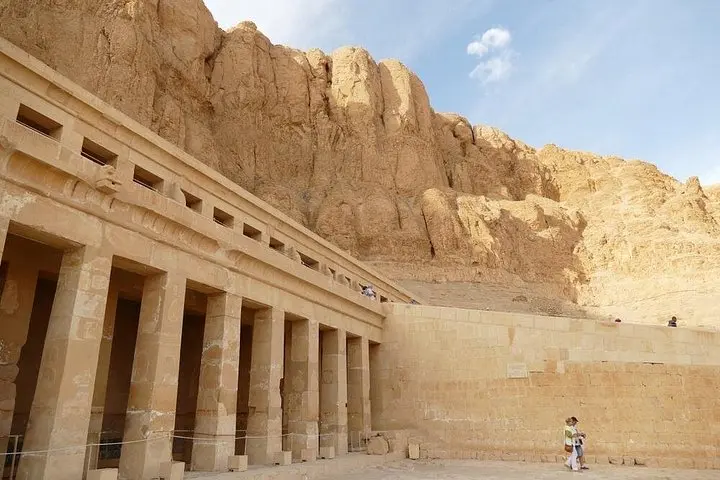
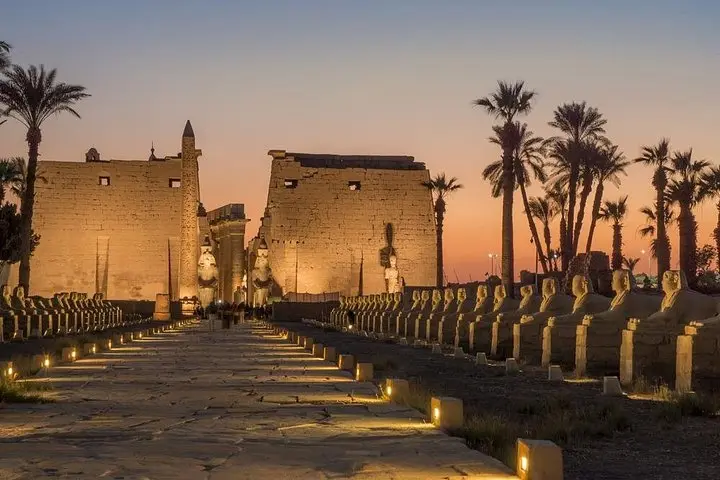
This route follows the Nile’s most storied corridor. Geologically, the river carves a fertile ribbon through desert bedrock; culturally, it powered pharaonic cities—Abu Simbel’s colossal faces, Philae’s island sanctuary, Kom Ombo’s double temple, Hatshepsut’s cliff-side mortuary, and the hypostyle halls of Karnak. You’ll cross centuries in hours, guided by Egyptologists who unpack iconography and burial practices with practical clarity.
Practical details are straightforward: the core cruise is three nights between Aswan and Luxor (about 200 km of river navigation), typically paired with overnight trains to/from Cairo (roughly nine hours each way). Expect multiple short shore excursions with stairs, uneven stone, and shaded walkways; bring a daypack, hydration, and sun protection. Ports alternate between quick photo stops and hour-plus visits where museums, local markets, and short village walks reward curiosity.
Timing matters—mornings are cooler for temple tours, late afternoons for riverside light. Customs are relaxed but respectful: cover shoulders in sacred sites, carry local currency for entry fees and small purchases, and budget modest tips for guides and crew. The trip mixes slow river travel with concentrated cultural walking—ideal for travelers who want deep history served with measured comfort.
Yes — this itinerary includes return first-class train tickets between Cairo and Aswan/Luxor as specified; confirm carriage class at booking.
Admissions for the major sites mentioned in the itinerary are generally included, but always confirm which monuments require additional local fees on the day of visit.
The cruise itself is comfortable, but many temple sites have stairs, narrow passages and uneven surfaces; travelers with mobility issues should notify the operator in advance for assistance and plan for limited access in some areas.
Carry Egyptian pounds for small purchases and tipping; modest gratuities for guides, drivers and cabin staff are customary (ask your guide for recommended amounts).
Mody Egypt Tours operates guided outdoor trips and adventures with an emphasis on safety, stewardship, and memorable experiences.

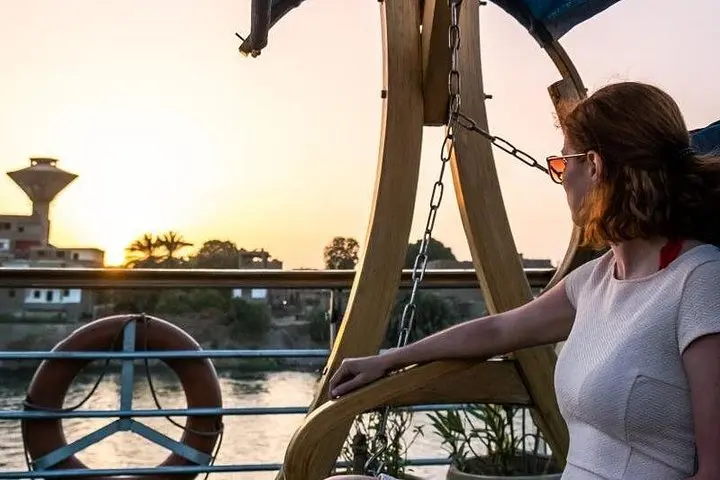
Steam of warm air lifts off the black water as the cruise eases away from Aswan at first light. On deck, the river narrows between low, ochre cliffs and clustered Nubian houses; fishermen in small boats cut across the ship’s wake while date palms punctuate the shore. The pace is deliberate—meals, an afternoon dip in the pool, and guided walks ashore to temples older than most nation-states.
Steam of warm air lifts off the black water as the cruise eases away from Aswan at first light. On deck, the river narrows between low, ochre cliffs and clustered Nubian houses; fishermen in small boats cut across the ship’s wake while date palms punctuate the shore. The pace is deliberate—meals, an afternoon dip in the pool, and guided walks ashore to temples older than most nation-states.
This route follows the Nile’s most storied corridor. Geologically, the river carves a fertile ribbon through desert bedrock; culturally, it powered pharaonic cities—Abu Simbel’s colossal faces, Philae’s island sanctuary, Kom Ombo’s double temple, Hatshepsut’s cliff-side mortuary, and the hypostyle halls of Karnak. You’ll cross centuries in hours, guided by Egyptologists who unpack iconography and burial practices with practical clarity.
Practical details are straightforward: the core cruise is three nights between Aswan and Luxor (about 200 km of river navigation), typically paired with overnight trains to/from Cairo (roughly nine hours each way). Expect multiple short shore excursions with stairs, uneven stone, and shaded walkways; bring a daypack, hydration, and sun protection. Ports alternate between quick photo stops and hour-plus visits where museums, local markets, and short village walks reward curiosity.
Timing matters—mornings are cooler for temple tours, late afternoons for riverside light. Customs are relaxed but respectful: cover shoulders in sacred sites, carry local currency for entry fees and small purchases, and budget modest tips for guides and crew. The trip mixes slow river travel with concentrated cultural walking—ideal for travelers who want deep history served with measured comfort.