THE ADVENTURE COLLECTIVE® · Independent discovery and booking for outdoor travel

Relaxed, private and archaeological: this 4-day, 3-night Nile cruise between Aswan and Luxor spaces out Egypt’s iconic temples so you can explore without rushing. Expect guided visits to Philae, Kom Ombo, Edfu, the Valley of the Kings and Karnak with meals and transfer logistics included.
Relaxed, private and archaeological: this 4-day, 3-night Nile cruise between Aswan and Luxor spaces out Egypt’s iconic temples so you can explore without rushing. Expect guided visits to Philae, Kom Ombo, Edfu, the Valley of the Kings and Karnak with meals and transfer logistics included.
You step onto the Miss Farah as the Nile slips by—dusty gold shorelines, palm clusters, and the low hum of the engine carrying you upriver. Mornings open with gauzy light over Philae and the granite quarries of Aswan; afternoons are soft on the sun deck as the vessel threads between temples and village feluccas.
Verified experiences and guided adventures in the surrounding area.
Operated by Get Nile Cruise · Aswan, Aswan Governorate
You step onto the Miss Farah as the Nile slips by—dusty gold shorelines, palm clusters, and the low hum of the engine carrying you upriver. Mornings open with gauzy light over Philae and the granite quarries of Aswan; afternoons are soft on the sun deck as the vessel threads between temples and village feluccas.
This route traces millennia of human engineering and belief. The Nile carved the valley’s fertile corridor and defined settlement patterns from pharaonic times through Ottoman and modern eras; granite from Aswan built obelisks and dam works later reshaped the river’s flow. Culture here is tangible: temple reliefs praising Amun-Ra, Nubian markets by the water, and the layered tastes of Egyptian tea and lentil stew served onboard.
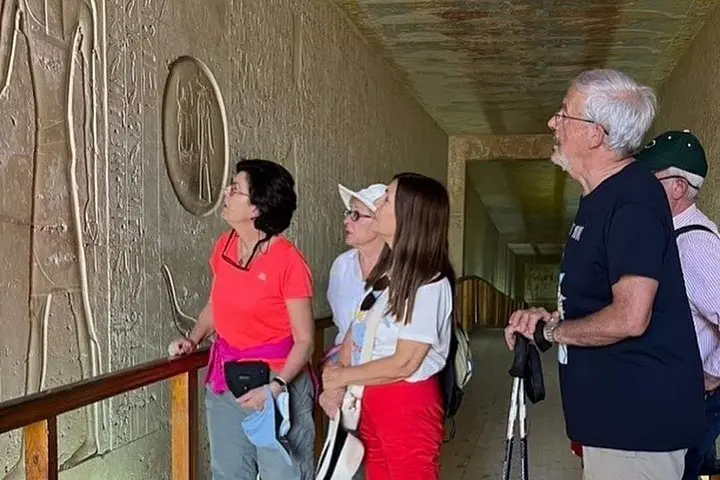
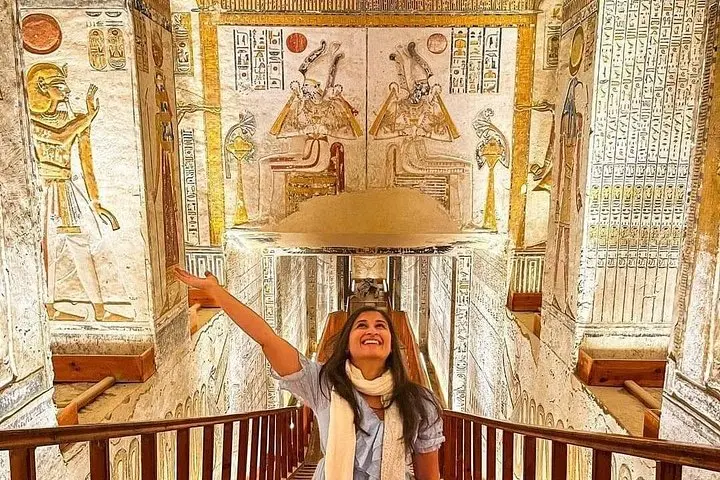
Expect a balanced pace—three nights aboard with guided shore excursions to Philae and the Aswan Dam, Kom Ombo and Edfu’s Horus Temple, then Luxor’s West Bank necropolises and Karnak on the East Bank. Guides narrate archaeology and local lore; hours ashore typically include 2–4 hour visits with time to photograph or rest.
Practical guide: travel light but bring sturdy walking shoes, sun protection, and a refillable water bottle. Early starts beat the heat and crowds; carry small change for entry fees, tips, and market buys. The cruise’s pool and shaded deck are good for mid-day breaks—use them to conserve energy for temple exploration. Respect restricted areas at archaeological sites and follow your guide’s advice for accessing tombs and chapels.
Most operator rates exclude national site entry fees; bring cash or check with your guide for group ticketing on the day.
Yes—private pickup and drop-off from airports, hotels and the cruise pier are included per the itinerary details.
No—swimming in the Nile is not recommended for safety and hygiene reasons; use the cruise pool where available and follow crew guidance.
Many nationalities require a tourist visa to enter Egypt—check current entry rules and secure a visa before travel or obtain one on arrival where available.
Get Nile Cruise operates guided outdoor trips and adventures with an emphasis on safety, stewardship, and memorable experiences.
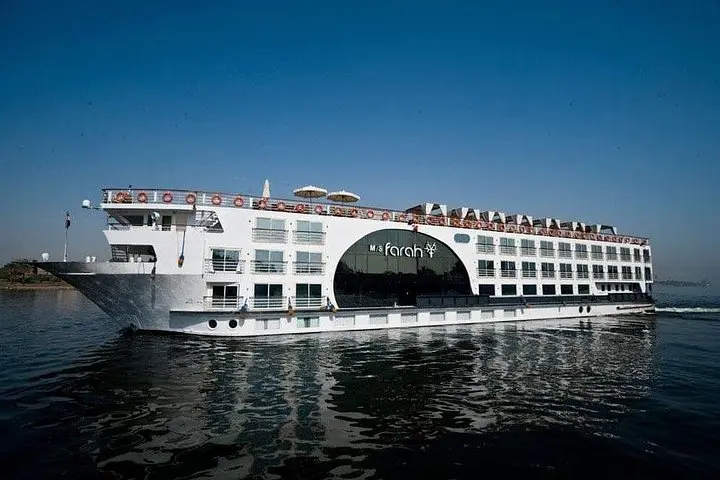
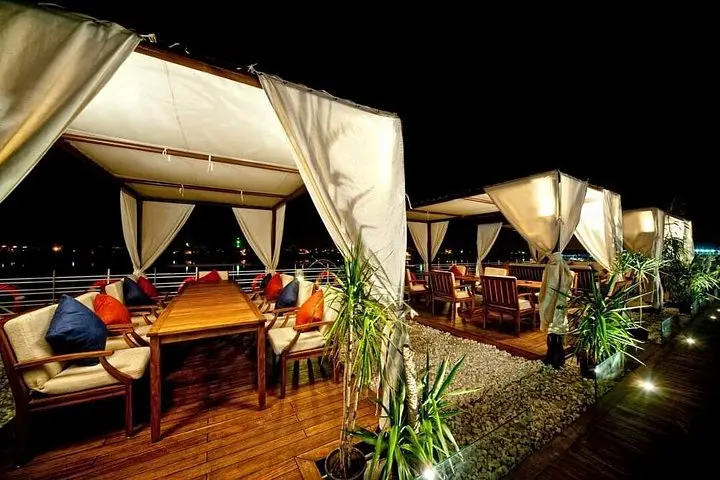
You step onto the Miss Farah as the Nile slips by—dusty gold shorelines, palm clusters, and the low hum of the engine carrying you upriver. Mornings open with gauzy light over Philae and the granite quarries of Aswan; afternoons are soft on the sun deck as the vessel threads between temples and village feluccas.
You step onto the Miss Farah as the Nile slips by—dusty gold shorelines, palm clusters, and the low hum of the engine carrying you upriver. Mornings open with gauzy light over Philae and the granite quarries of Aswan; afternoons are soft on the sun deck as the vessel threads between temples and village feluccas.
This route traces millennia of human engineering and belief. The Nile carved the valley’s fertile corridor and defined settlement patterns from pharaonic times through Ottoman and modern eras; granite from Aswan built obelisks and dam works later reshaped the river’s flow. Culture here is tangible: temple reliefs praising Amun-Ra, Nubian markets by the water, and the layered tastes of Egyptian tea and lentil stew served onboard.
Expect a balanced pace—three nights aboard with guided shore excursions to Philae and the Aswan Dam, Kom Ombo and Edfu’s Horus Temple, then Luxor’s West Bank necropolises and Karnak on the East Bank. Guides narrate archaeology and local lore; hours ashore typically include 2–4 hour visits with time to photograph or rest.
Practical guide: travel light but bring sturdy walking shoes, sun protection, and a refillable water bottle. Early starts beat the heat and crowds; carry small change for entry fees, tips, and market buys. The cruise’s pool and shaded deck are good for mid-day breaks—use them to conserve energy for temple exploration. Respect restricted areas at archaeological sites and follow your guide’s advice for accessing tombs and chapels.