THE ADVENTURE COLLECTIVE® · Independent discovery and booking for outdoor travel

A four-day road journey from Tangier to the Sahara that threads Rif peaks, the cedar forests of the Middle Atlas, and the towering dunes of Erg Chebbi. Expect camel trekking, a night in a desert camp, and stops at Todgha and Dades gorges en route to Marrakech.
A four-day road journey from Tangier to the Sahara that threads Rif peaks, the cedar forests of the Middle Atlas, and the towering dunes of Erg Chebbi. Expect camel trekking, a night in a desert camp, and stops at Todgha and Dades gorges en route to Marrakech.
You leave Tangier before dawn, the Mediterranean city falling away as the road threads the Rif Mountains and the blue alleys of Chefchaouen blur into the rearview. By the second day the Atlas foothills carve the horizon, cedar forests give way to palm-lined oases, and the land opens into the ochre swell of Erg Chebbi where camels kneel like patient sentries at sunset.
Verified experiences and guided adventures in the surrounding area.
Operated by Morocco Road Trips · Merzouga, Drâa-Tafilalet
You leave Tangier before dawn, the Mediterranean city falling away as the road threads the Rif Mountains and the blue alleys of Chefchaouen blur into the rearview. By the second day the Atlas foothills carve the horizon, cedar forests give way to palm-lined oases, and the land opens into the ochre swell of Erg Chebbi where camels kneel like patient sentries at sunset.
This route traces long-lived trade corridors — Berber villages, kasbahs of baked-earth architecture, and the filmable ramparts of Ait Ben Haddou. Geologically, the High Atlas is young and uplifted; eroded valleys funnel sand from inland plateaus into the Sahara’s crescent dunes. Local culture centers on Amazigh (Berber) hospitality: shared tagines, mint tea, and music under vast skies.
Practically, expect long drives (multiple 4–7 hour legs) punctuated by short hikes and market stops. The camel trek to the desert camp is gentle but the dunes are loose; sand shifts beneath each step and offers little traction. Nights are cold and dry; layers and a warm hat matter as much as sunscreen. Bring a refillable water bottle, a headscarf for wind-blown sand, and sturdy shoes for rocky kasbah approaches.
Timing your visit around sunrise or sunset in Merzouga yields the best light and cooler conditions. If you want photography, plan for golden-hour shots over the ridgelines and allow extra time at Todgha and Dades gorges for canyon walks. This is a road-trip rhythm — long stretches rewarded by stark landscapes, intimate village encounters, and an overnight under an expansive desert sky.
The camel trek is gentle and suitable for most people; camels kneel for mounting and the pace is slow, though the shifting sand can feel tiring on foot.
Infants are accepted but must sit on laps during transfer; parents should consider long drives and desert conditions before booking.
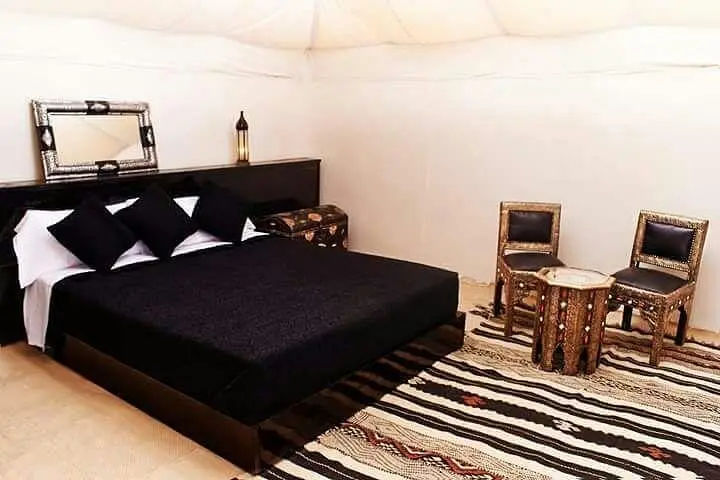
Pack layers, warm sleepwear, toiletries, a flashlight, and essentials like sunscreen and a refillable water bottle; tents typically provide sleeping pads and blankets.
The itinerary includes several meals: breakfasts and some dinners (including a traditional tagine in the desert camp); confirm specifics with the operator before travel.
Morocco Road Trips operates guided outdoor trips and adventures with an emphasis on safety, stewardship, and memorable experiences.
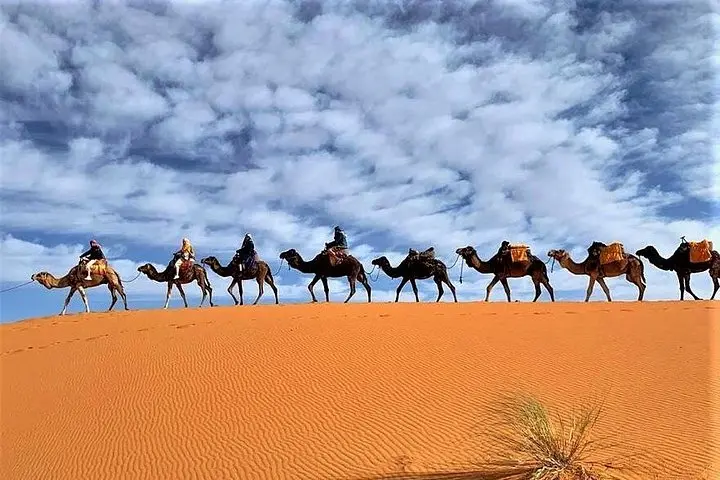
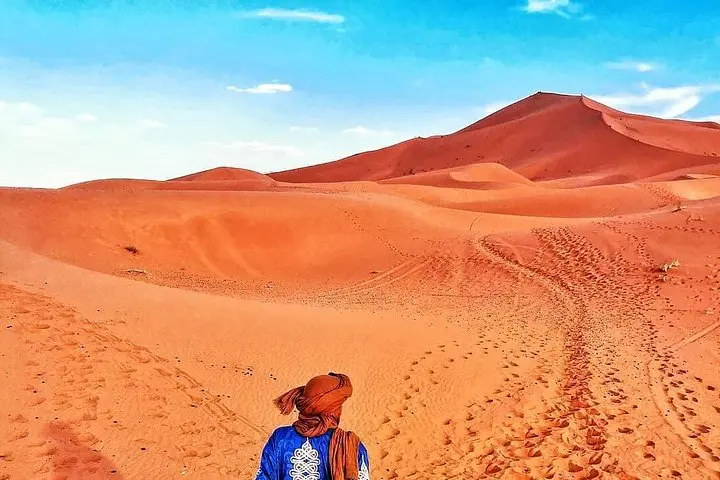
You leave Tangier before dawn, the Mediterranean city falling away as the road threads the Rif Mountains and the blue alleys of Chefchaouen blur into the rearview. By the second day the Atlas foothills carve the horizon, cedar forests give way to palm-lined oases, and the land opens into the ochre swell of Erg Chebbi where camels kneel like patient sentries at sunset.
You leave Tangier before dawn, the Mediterranean city falling away as the road threads the Rif Mountains and the blue alleys of Chefchaouen blur into the rearview. By the second day the Atlas foothills carve the horizon, cedar forests give way to palm-lined oases, and the land opens into the ochre swell of Erg Chebbi where camels kneel like patient sentries at sunset.
This route traces long-lived trade corridors — Berber villages, kasbahs of baked-earth architecture, and the filmable ramparts of Ait Ben Haddou. Geologically, the High Atlas is young and uplifted; eroded valleys funnel sand from inland plateaus into the Sahara’s crescent dunes. Local culture centers on Amazigh (Berber) hospitality: shared tagines, mint tea, and music under vast skies.
Practically, expect long drives (multiple 4–7 hour legs) punctuated by short hikes and market stops. The camel trek to the desert camp is gentle but the dunes are loose; sand shifts beneath each step and offers little traction. Nights are cold and dry; layers and a warm hat matter as much as sunscreen. Bring a refillable water bottle, a headscarf for wind-blown sand, and sturdy shoes for rocky kasbah approaches.
Timing your visit around sunrise or sunset in Merzouga yields the best light and cooler conditions. If you want photography, plan for golden-hour shots over the ridgelines and allow extra time at Todgha and Dades gorges for canyon walks. This is a road-trip rhythm — long stretches rewarded by stark landscapes, intimate village encounters, and an overnight under an expansive desert sky.