THE ADVENTURE COLLECTIVE® · Independent discovery and booking for outdoor travel

Walk 10–15 km through coastal pine, wild lakes, secluded Baltic beach and the Gauja delta in a single half-day hike. Local naturalist guides combine ecology, geology and Latvian coastal culture on a small-group outing from Riga.
Walk 10–15 km through coastal pine, wild lakes, secluded Baltic beach and the Gauja delta in a single half-day hike. Local naturalist guides combine ecology, geology and Latvian coastal culture on a small-group outing from Riga.
A cool salt breeze meets pine resin as the trail drops from shaded trunks onto open sand—this half-day hike threads four distinct ecosystems along Latvia's Gulf coast. Start beneath wind-pruned Scots pines whose roots grip glacially deposited dunes, skirt a chain of small, wild coastal lakes that collect rain and runoff, walk long stretches of quiet Baltic sand, and finish at the braided marshes of the Gauja River delta where reeds lean into the current.
Verified experiences and guided adventures in the surrounding area.
Operated by Baltic Nature Adventures · Carnikava, Rīga Region
A cool salt breeze meets pine resin as the trail drops from shaded trunks onto open sand—this half-day hike threads four distinct ecosystems along Latvia's Gulf coast. Start beneath wind-pruned Scots pines whose roots grip glacially deposited dunes, skirt a chain of small, wild coastal lakes that collect rain and runoff, walk long stretches of quiet Baltic sand, and finish at the braided marshes of the Gauja River delta where reeds lean into the current.
Geology here is recent on a geological scale: post-glacial sands and sea-level changes carved the shoreline and left behind interdunal ponds and shifting beaches. The area has long supported fishing and small-scale farming; walking it reveals traces of that cultural history in simple wooden paths, seasonal huts, and oral traditions your guide will share.
Expect varied underfoot conditions—rooted forest trails, soft sand, and stiffer boardwalks through wetlands—so the landscape feels alive and reactive to every step. Guides are local naturalists who interpret flora, birds, and Baltic coastal processes while weaving cultural notes about Latvian coastal livelihoods.
Practical side: the route covers 10–15 km (6–9 miles) over 3–5 hours with moderate effort and some uneven terrain. Wear sturdy, grippy footwear and layers for wind and sudden sun. Bring water, insect repellent in warmer months, and a small daypack; transfers from Riga are typically included. Aim for morning or late-afternoon light for the most dramatic vistas and quieter beaches.
The guide covers 10–15 km (6–9 miles) over roughly 3–5 hours; terrain varies from easy boardwalks to soft sand and uneven forest trails—rated moderate.
Transfers from/to central Riga are typically included as noted in the tour inclusions—confirm pickup point at booking.
Facilities are limited; expect a combination of basic outdoor stops and possibly a small local restroom near access points—plan accordingly.
Late spring through early autumn offers the most comfortable weather; spring and fall have fewer people and cooler temperatures, summer brings insects and warmer beach time.
Baltic Nature Adventures operates guided outdoor trips and adventures with an emphasis on safety, stewardship, and memorable experiences.
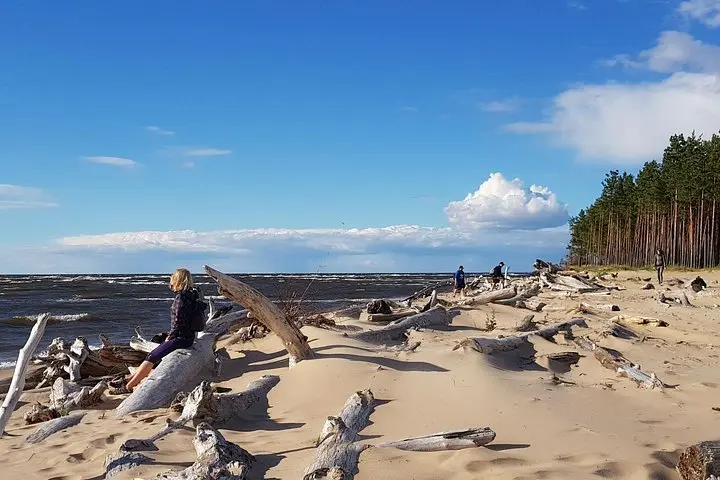
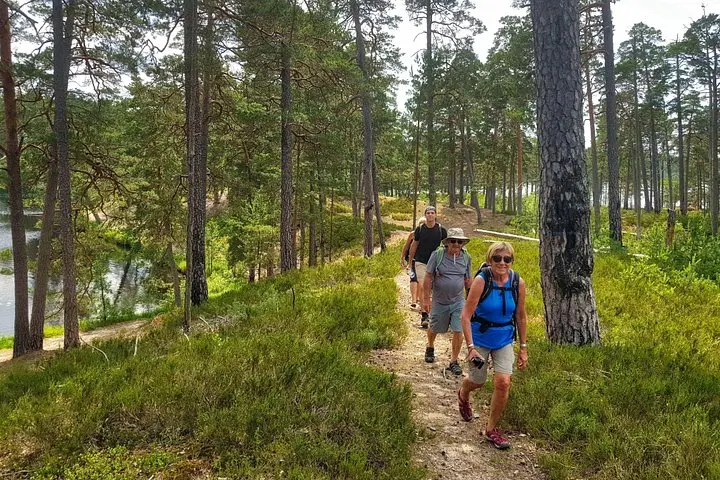
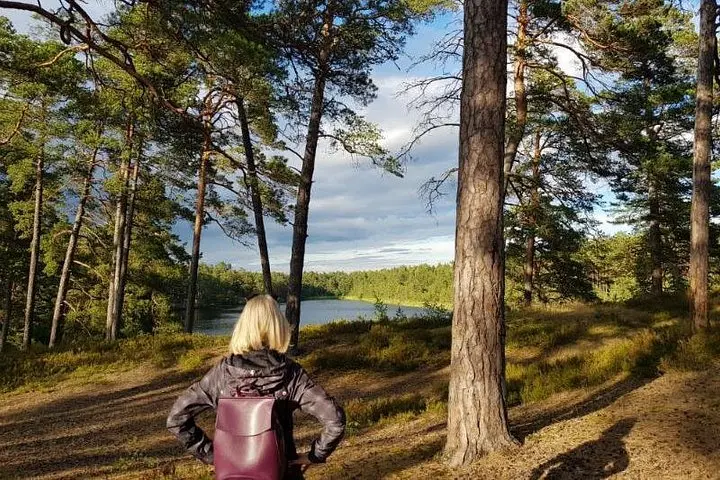
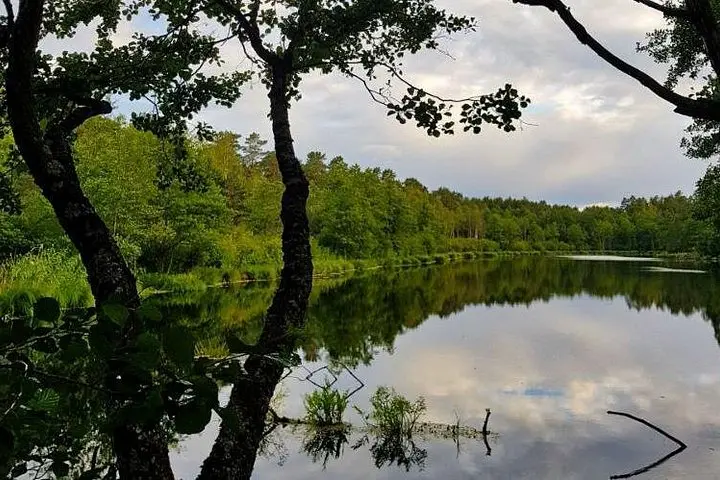
A cool salt breeze meets pine resin as the trail drops from shaded trunks onto open sand—this half-day hike threads four distinct ecosystems along Latvia's Gulf coast. Start beneath wind-pruned Scots pines whose roots grip glacially deposited dunes, skirt a chain of small, wild coastal lakes that collect rain and runoff, walk long stretches of quiet Baltic sand, and finish at the braided marshes of the Gauja River delta where reeds lean into the current.
A cool salt breeze meets pine resin as the trail drops from shaded trunks onto open sand—this half-day hike threads four distinct ecosystems along Latvia's Gulf coast. Start beneath wind-pruned Scots pines whose roots grip glacially deposited dunes, skirt a chain of small, wild coastal lakes that collect rain and runoff, walk long stretches of quiet Baltic sand, and finish at the braided marshes of the Gauja River delta where reeds lean into the current.
Geology here is recent on a geological scale: post-glacial sands and sea-level changes carved the shoreline and left behind interdunal ponds and shifting beaches. The area has long supported fishing and small-scale farming; walking it reveals traces of that cultural history in simple wooden paths, seasonal huts, and oral traditions your guide will share.
Expect varied underfoot conditions—rooted forest trails, soft sand, and stiffer boardwalks through wetlands—so the landscape feels alive and reactive to every step. Guides are local naturalists who interpret flora, birds, and Baltic coastal processes while weaving cultural notes about Latvian coastal livelihoods.
Practical side: the route covers 10–15 km (6–9 miles) over 3–5 hours with moderate effort and some uneven terrain. Wear sturdy, grippy footwear and layers for wind and sudden sun. Bring water, insect repellent in warmer months, and a small daypack; transfers from Riga are typically included. Aim for morning or late-afternoon light for the most dramatic vistas and quieter beaches.