THE ADVENTURE COLLECTIVE® · Independent discovery and booking for outdoor travel
Sail from Aswan to Luxor on a four-night Nile cruise that pairs deck-side relaxation with visits to Abu Simbel, Kom Ombo, Edfu and Luxor’s temples. Early starts, a local Egyptology guide and short shore walks make ancient sites accessible for most travelers.
Sail from Aswan to Luxor on a four-night Nile cruise that pairs deck-side relaxation with visits to Abu Simbel, Kom Ombo, Edfu and Luxor’s temples. Early starts, a local Egyptology guide and short shore walks make ancient sites accessible for most travelers.
The Nile eases past the ship like a slow, deliberate current, palm-lined banks sliding by as the cruise drops anchor each evening. You step off into a sunburnt corridor of stone — colossal seated pharaohs, hypostyle halls and narrowly lit tomb corridors — and the river seems to pull history toward you.
Verified experiences and guided adventures in the surrounding area.
Operated by Best Of Egypt Tours · Aswan, Aswan Governorate
The Nile eases past the ship like a slow, deliberate current, palm-lined banks sliding by as the cruise drops anchor each evening. You step off into a sunburnt corridor of stone — colossal seated pharaohs, hypostyle halls and narrowly lit tomb corridors — and the river seems to pull history toward you.
This itinerary threads Aswan and Luxor, linking Philae and the High Dam with the relocated grandeur of Abu Simbel, the Ptolemaic precision of Edfu and Kom Ombo, and the funerary landscape of the Valley of the Kings. Geologically the route follows the Nile’s granite and sandstone shoulders; culturally it follows millennia of royal processions and seasonal inundation that shaped Egyptian civilization. The modern story — notably the 1960s rescue of Abu Simbel to save it from Lake Nasser — is as much part of the experience as hieroglyphs on a temple wall.
Expect shore excursions each day, short guided walks across exposed stone and shaded temple platforms, and quiet afternoons on deck watching river life: fishermen, feluccas, and village clusters. Practical notes: start excursions early to avoid peak sun, use a guide for context in dim interiors, and carry small bills for entry fees and local vendors. Footwear should be comfortable for uneven stone; layers are useful for cool mornings and hot afternoons. Hydrate deliberately — desert sun intensifies on the river — and treat sacred sites with low light and quiet respect. The cruise offers an efficient, relaxed way to tie Egypt’s major southern monuments into a single trip while keeping movement easy and days rich with discovery.
Most travelers require a visa; check with Egyptian consular services for current rules and whether an e-visa or visa on arrival is available for your nationality.
This tour description states that listed sites are included in the itinerary, but confirm with the operator which specific entry tickets are covered and whether any optional tombs require extra fees.
The cruise and many temple areas offer wheelchair-accessible options, but uneven stone and steps are common; notify the operator of mobility needs in advance.
Yes; tipping local guides, drivers and ship staff is common. Small denominations of Egyptian pounds or USD are useful.
Best Of Egypt Tours operates guided outdoor trips and adventures with an emphasis on safety, stewardship, and memorable experiences.
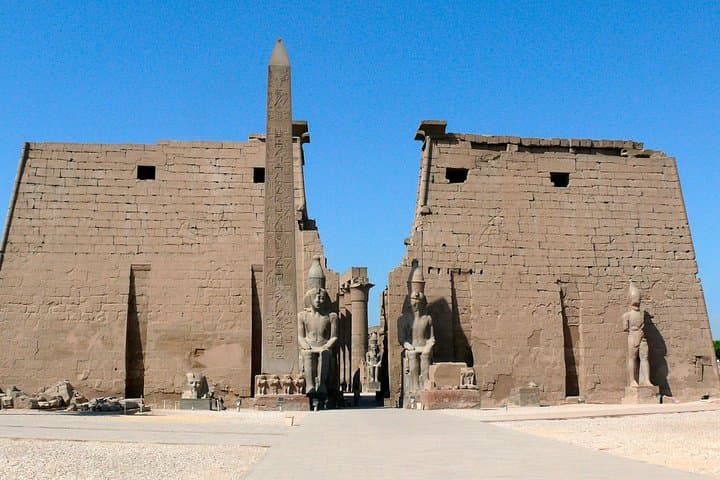
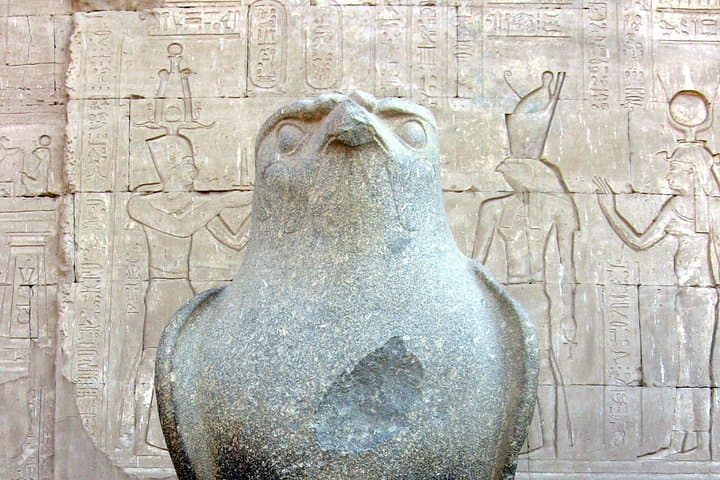
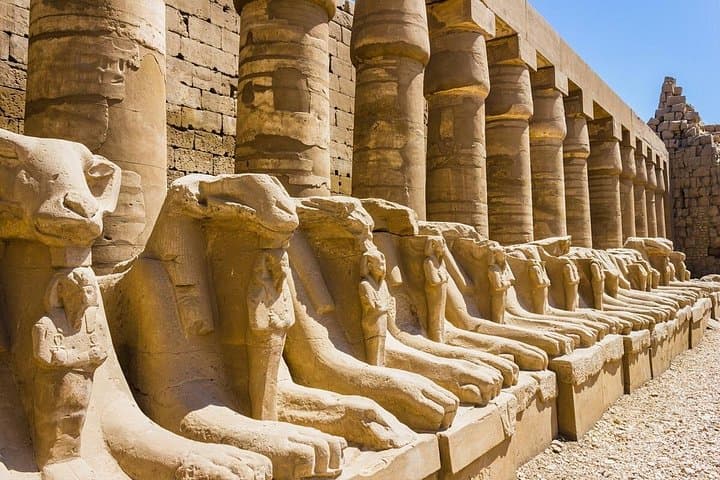
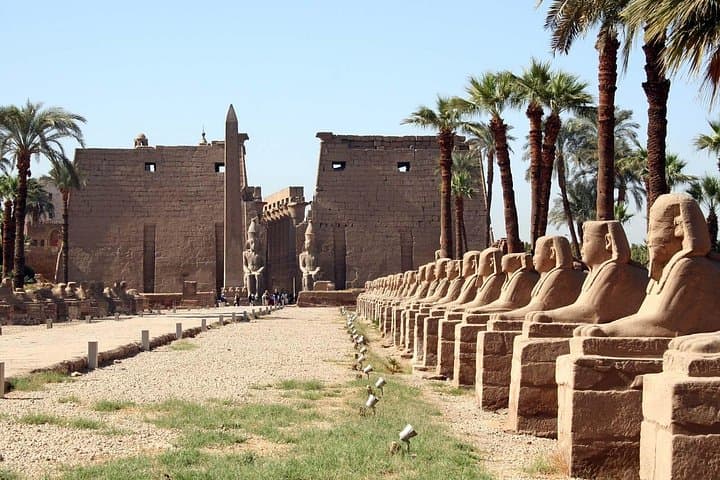
The Nile eases past the ship like a slow, deliberate current, palm-lined banks sliding by as the cruise drops anchor each evening. You step off into a sunburnt corridor of stone — colossal seated pharaohs, hypostyle halls and narrowly lit tomb corridors — and the river seems to pull history toward you.
The Nile eases past the ship like a slow, deliberate current, palm-lined banks sliding by as the cruise drops anchor each evening. You step off into a sunburnt corridor of stone — colossal seated pharaohs, hypostyle halls and narrowly lit tomb corridors — and the river seems to pull history toward you.
This itinerary threads Aswan and Luxor, linking Philae and the High Dam with the relocated grandeur of Abu Simbel, the Ptolemaic precision of Edfu and Kom Ombo, and the funerary landscape of the Valley of the Kings. Geologically the route follows the Nile’s granite and sandstone shoulders; culturally it follows millennia of royal processions and seasonal inundation that shaped Egyptian civilization. The modern story — notably the 1960s rescue of Abu Simbel to save it from Lake Nasser — is as much part of the experience as hieroglyphs on a temple wall.
Expect shore excursions each day, short guided walks across exposed stone and shaded temple platforms, and quiet afternoons on deck watching river life: fishermen, feluccas, and village clusters. Practical notes: start excursions early to avoid peak sun, use a guide for context in dim interiors, and carry small bills for entry fees and local vendors. Footwear should be comfortable for uneven stone; layers are useful for cool mornings and hot afternoons. Hydrate deliberately — desert sun intensifies on the river — and treat sacred sites with low light and quiet respect. The cruise offers an efficient, relaxed way to tie Egypt’s major southern monuments into a single trip while keeping movement easy and days rich with discovery.
