THE ADVENTURE COLLECTIVE® · Independent discovery and booking for outdoor travel

Spend four nights sailing the Nile from Luxor to Aswan, visiting Karnak, the Valley of the Kings, Hatshepsut’s temple and more. This full-board cruise combines onshore archaeology with quiet river travel—ideal for travelers who want relaxed transit between Egypt’s top ancient sites.
Spend four nights sailing the Nile from Luxor to Aswan, visiting Karnak, the Valley of the Kings, Hatshepsut’s temple and more. This full-board cruise combines onshore archaeology with quiet river travel—ideal for travelers who want relaxed transit between Egypt’s top ancient sites.
The sun lifts off the eastern bank of the Nile and throws a thin gold line along the river; you're aboard a small cruise, cabin door open to warm, dry air and the slow churn of the water beneath. Over the next four nights the Nile carries you south from Luxor past low limestone bluffs, sugarcane fields, and villages where children wave as you glide by.
Verified experiences and guided adventures in the surrounding area.
Operated by travelconnection001 · Luxor, Luxor Governorate
The sun lifts off the eastern bank of the Nile and throws a thin gold line along the river; you're aboard a small cruise, cabin door open to warm, dry air and the slow churn of the water beneath. Over the next four nights the Nile carries you south from Luxor past low limestone bluffs, sugarcane fields, and villages where children wave as you glide by.
This route threads Egypt’s most concentrated cluster of Pharaonic monuments. On the east bank you’ll step into Karnak’s avenue of columns and Luxor Temple’s lit sandstone. West bank excursions move to rock-cut tombs in the Valley of the Kings, Queen Hatshepsut’s mortuary temple at Deir el-Bahari, and the two Colossi of Memnon — all set against the Nile’s alluvial plain and the limestone ridges that preserve millennia of burial architecture.
Geologically the valley is a narrow corridor of fertile Nile mud bounded by Eocene and Miocene limestones; those same rocks hold tombs and temples carved into natural terraces.
Practical guidance: voyages are typically full board with double cabins and daily shore visits. Expect short walks on uneven surfaces and steps in tombs—comfortable walking shoes and sun protection are essential. Carry local currency for small purchases and tip jars; a lightweight daypack and refillable water bottle make shore days easier. Early starts avoid heat and crowds; photograph in morning or late afternoon light when reliefs and columns show the best contrast. This cruise is accessible to most fitness levels but brings a sense of purpose: the river invites you to slow down and let history approach at its own, deliberate pace.
Yes—this full-board itinerary includes breakfast, lunch and dinner on most days, with lunches typically served during sailings and dinner on board.
Most nationalities require a visa for Egypt; check current entry rules and obtain a tourist visa before travel or on arrival if eligible.
The cruise is rated easy and works for most ages; however, shore visits include stairs and uneven ground—assess mobility for tombs and temple steps.
Bookings usually require pickup details; bring printed or mobile confirmation, passport, and any requested passenger info for embarkation and security checks.
travelconnection001 operates guided outdoor trips and adventures with an emphasis on safety, stewardship, and memorable experiences.
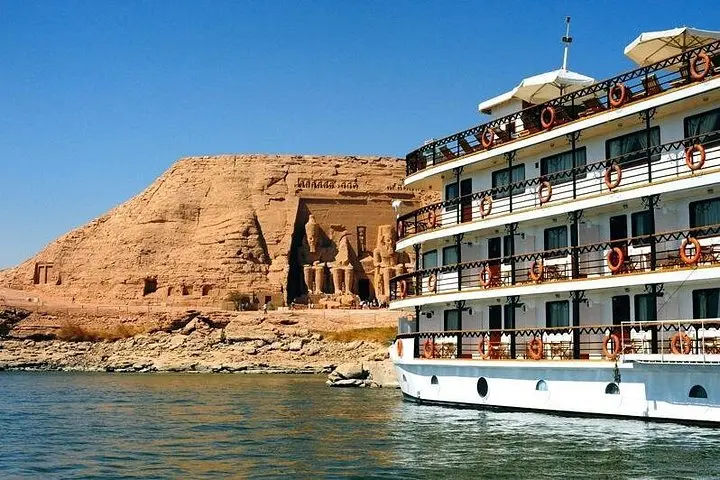
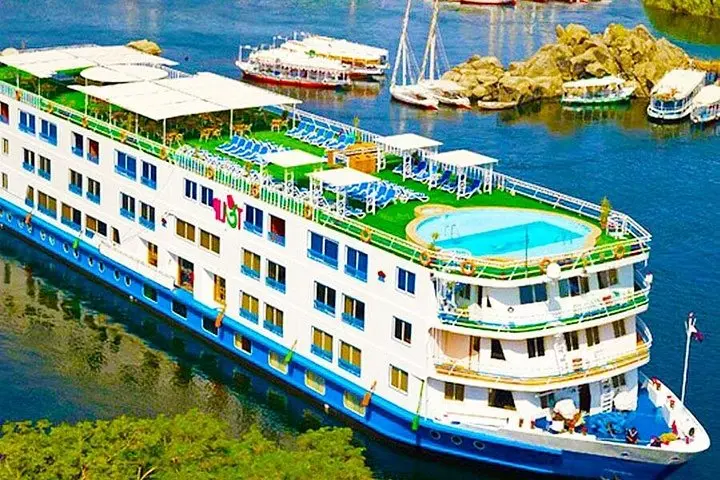
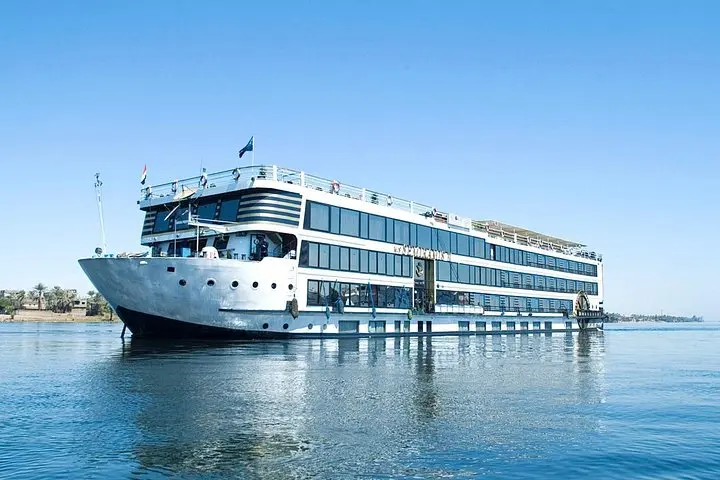
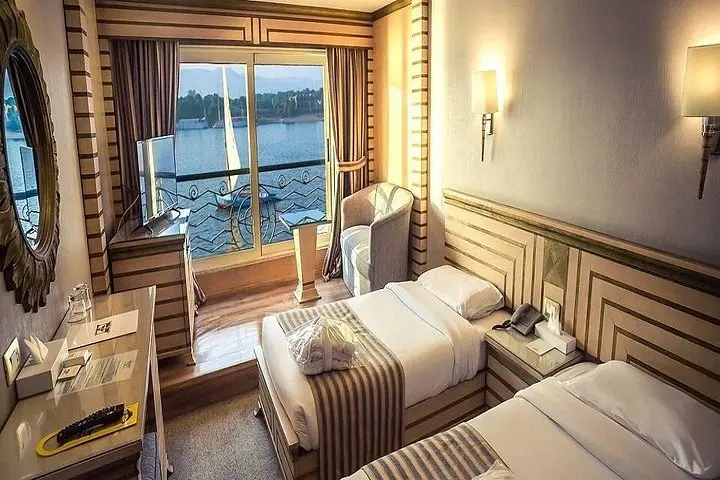
The sun lifts off the eastern bank of the Nile and throws a thin gold line along the river; you're aboard a small cruise, cabin door open to warm, dry air and the slow churn of the water beneath. Over the next four nights the Nile carries you south from Luxor past low limestone bluffs, sugarcane fields, and villages where children wave as you glide by.
The sun lifts off the eastern bank of the Nile and throws a thin gold line along the river; you're aboard a small cruise, cabin door open to warm, dry air and the slow churn of the water beneath. Over the next four nights the Nile carries you south from Luxor past low limestone bluffs, sugarcane fields, and villages where children wave as you glide by.
This route threads Egypt’s most concentrated cluster of Pharaonic monuments. On the east bank you’ll step into Karnak’s avenue of columns and Luxor Temple’s lit sandstone. West bank excursions move to rock-cut tombs in the Valley of the Kings, Queen Hatshepsut’s mortuary temple at Deir el-Bahari, and the two Colossi of Memnon — all set against the Nile’s alluvial plain and the limestone ridges that preserve millennia of burial architecture.
Geologically the valley is a narrow corridor of fertile Nile mud bounded by Eocene and Miocene limestones; those same rocks hold tombs and temples carved into natural terraces.
Practical guidance: voyages are typically full board with double cabins and daily shore visits. Expect short walks on uneven surfaces and steps in tombs—comfortable walking shoes and sun protection are essential. Carry local currency for small purchases and tip jars; a lightweight daypack and refillable water bottle make shore days easier. Early starts avoid heat and crowds; photograph in morning or late afternoon light when reliefs and columns show the best contrast. This cruise is accessible to most fitness levels but brings a sense of purpose: the river invites you to slow down and let history approach at its own, deliberate pace.