THE ADVENTURE COLLECTIVE® · Independent discovery and booking for outdoor travel

Walk ancient rainforest to viewpoints of the Fox Neve and Mt Tasman with knowledgeable guides. This 3–4 hour nature tour focuses on geology, flora and small geothermal features while staying safely away from the glacier face.
Walk ancient rainforest to viewpoints of the Fox Neve and Mt Tasman with knowledgeable guides. This 3–4 hour nature tour focuses on geology, flora and small geothermal features while staying safely away from the glacier face.
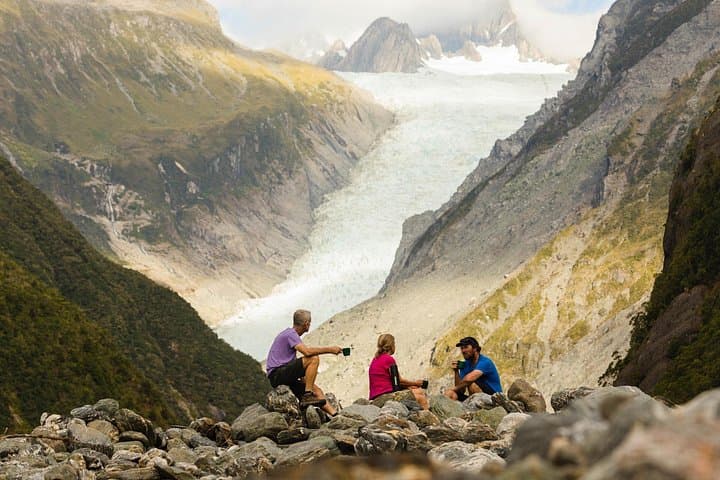
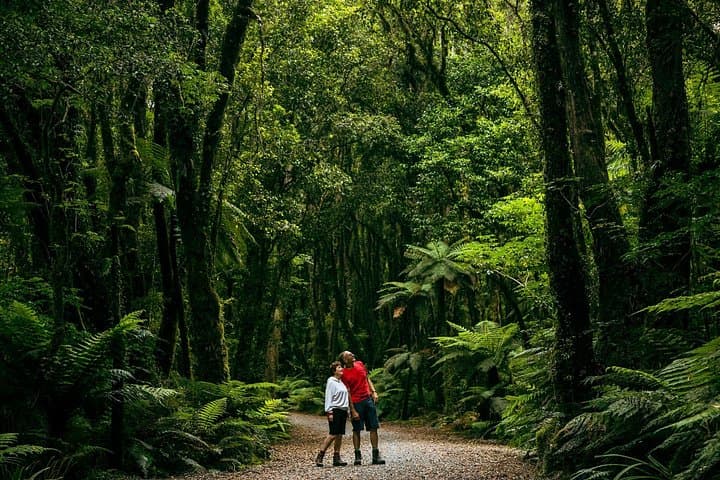
A damp West Coast morning pulls you into a living, breathing rainforest — rata branches drip, rimu needles whisper, and a narrow trail climbs where the valley widens and the high ice of the Fox Neve becomes suddenly visible. Guides pause at a wind-scrubbed clearing and point out Mt Tasman’s glaciated shoulders; steam from a tiny geothermal seep hisses like a secret beside the track.
Verified experiences and guided adventures in the surrounding area.
Operated by Glacier Valley Eco Tours · Franz Josef, West Coast
A damp West Coast morning pulls you into a living, breathing rainforest — rata branches drip, rimu needles whisper, and a narrow trail climbs where the valley widens and the high ice of the Fox Neve becomes suddenly visible. Guides pause at a wind-scrubbed clearing and point out Mt Tasman’s glaciated shoulders; steam from a tiny geothermal seep hisses like a secret beside the track.
This walk threads through Westland Tai Poutini National Park, an area shaped by repeated advances and retreats of ice that carved steep valleys and left moraines and neves you can study from a safe distance. Māori of the wider rohe, including Ngāi Tahu, travelled these forests and used coastal and alpine resources seasonally; European miners and early alpine guides later mapped access routes and scientific interest in the neves and thermology grew through the 20th century.
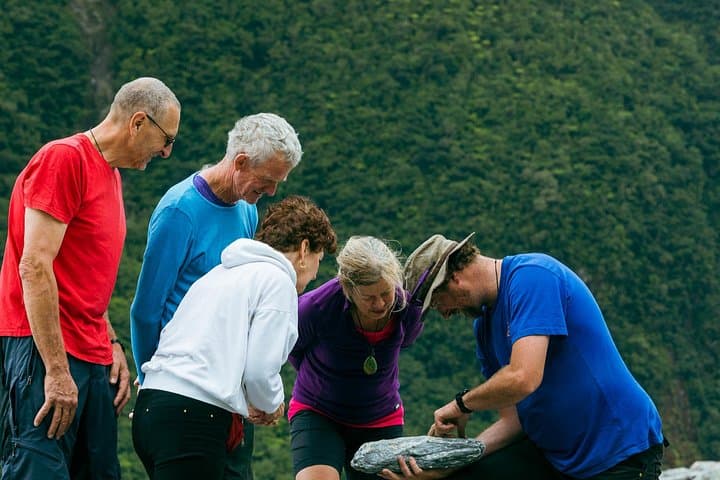
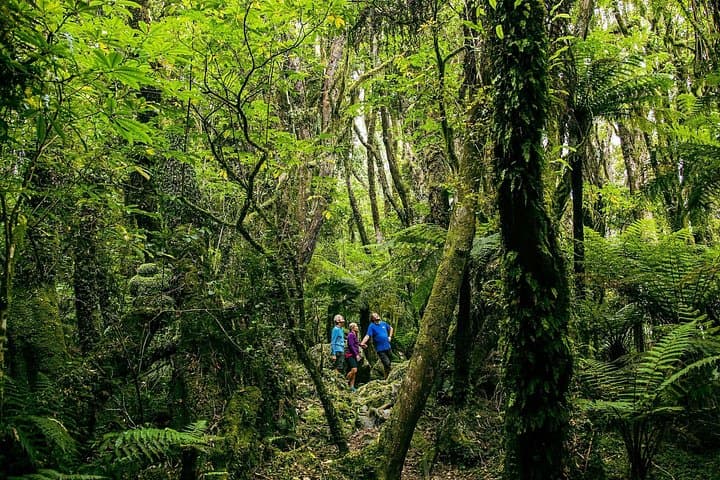
Expect a well-graded forest trail with wooden boardwalks, moss-smothered roots and occasional slippery gravel; the route rises gently and rewards you with wide valley views rather than glacier access. Guides explain glaciology, local flora like moss gardens and rata, and the reason the terminal face is off-limits — current landslide hazards and unstable ice.
Practical edge: allow 3–4 hours, wear stout waterproof footwear, bring a warm midlayer and a rain shell, and pack water and snacks. Cameras do well at the tea-stop viewpoint; follow your guide, stay on tracks, and carry out any rubbish. This tour delivers interpretive context and close-range valley scenery without stepping onto the glacier itself.
No — for safety the tour stays in the valley and on established trails; guides point out the Fox Neve and explain glacial processes but you will not approach the glacier terminal or walk on ice.
The route is rated easy: mainly gentle rises, boardwalks and uneven natural trail; basic mobility and steady balance are required for up to 3–4 hours.
Children are welcome but must be accompanied by an adult; infant carriers are available from the operator if needed.
The tour operates in most weather but can be canceled for safety; if canceled you’ll be offered an alternative date or a full refund per the operator’s policy.
Glacier Valley Eco Tours operates guided outdoor trips and adventures with an emphasis on safety, stewardship, and memorable experiences.
A damp West Coast morning pulls you into a living, breathing rainforest — rata branches drip, rimu needles whisper, and a narrow trail climbs where the valley widens and the high ice of the Fox Neve becomes suddenly visible. Guides pause at a wind-scrubbed clearing and point out Mt Tasman’s glaciated shoulders; steam from a tiny geothermal seep hisses like a secret beside the track.
A damp West Coast morning pulls you into a living, breathing rainforest — rata branches drip, rimu needles whisper, and a narrow trail climbs where the valley widens and the high ice of the Fox Neve becomes suddenly visible. Guides pause at a wind-scrubbed clearing and point out Mt Tasman’s glaciated shoulders; steam from a tiny geothermal seep hisses like a secret beside the track.
This walk threads through Westland Tai Poutini National Park, an area shaped by repeated advances and retreats of ice that carved steep valleys and left moraines and neves you can study from a safe distance. Māori of the wider rohe, including Ngāi Tahu, travelled these forests and used coastal and alpine resources seasonally; European miners and early alpine guides later mapped access routes and scientific interest in the neves and thermology grew through the 20th century.
Expect a well-graded forest trail with wooden boardwalks, moss-smothered roots and occasional slippery gravel; the route rises gently and rewards you with wide valley views rather than glacier access. Guides explain glaciology, local flora like moss gardens and rata, and the reason the terminal face is off-limits — current landslide hazards and unstable ice.
Practical edge: allow 3–4 hours, wear stout waterproof footwear, bring a warm midlayer and a rain shell, and pack water and snacks. Cameras do well at the tea-stop viewpoint; follow your guide, stay on tracks, and carry out any rubbish. This tour delivers interpretive context and close-range valley scenery without stepping onto the glacier itself.