THE ADVENTURE COLLECTIVE® · Independent discovery and booking for outdoor travel

Ride the Franschhoek Wine Tram for a full-day, hop-on hop-off exploration of vineyards, cellar doors and mountain-lined roads. This practical guide helps you plan tastings, timing and transit between Cape Town and the valley.
Ride the Franschhoek Wine Tram for a full-day, hop-on hop-off exploration of vineyards, cellar doors and mountain-lined roads. This practical guide helps you plan tastings, timing and transit between Cape Town and the valley.
You arrive in the Franschhoek Valley with low mountains drafting a cool shadow over rows of vines; the tram hisses to life and the valley exhales. Rolling vineyards spread down gentle slopes, birds thread between protea bushes, and every estate has its own tone—modern tasting room, old Cape Dutch homestead, or contemporary cellar with a view.
Verified experiences and guided adventures in the surrounding area.
Operated by City Sightseeing South Africa · Franschhoek, Western Cape
You arrive in the Franschhoek Valley with low mountains drafting a cool shadow over rows of vines; the tram hisses to life and the valley exhales. Rolling vineyards spread down gentle slopes, birds thread between protea bushes, and every estate has its own tone—modern tasting room, old Cape Dutch homestead, or contemporary cellar with a view.
Franschhoek’s wine story stretches back roughly 300 years, shaped by French Huguenot settlers and later by modern winemaking innovation. Geologically the valley is carved from sandstone and granite, with soils that give Shiraz, Cabernet and Chenin Blanc distinct mineral edges. Culture here cycles around food and wine; farm kitchens, winemakers and small artisanal producers form a practical culinary network rather than a tourist veneer.
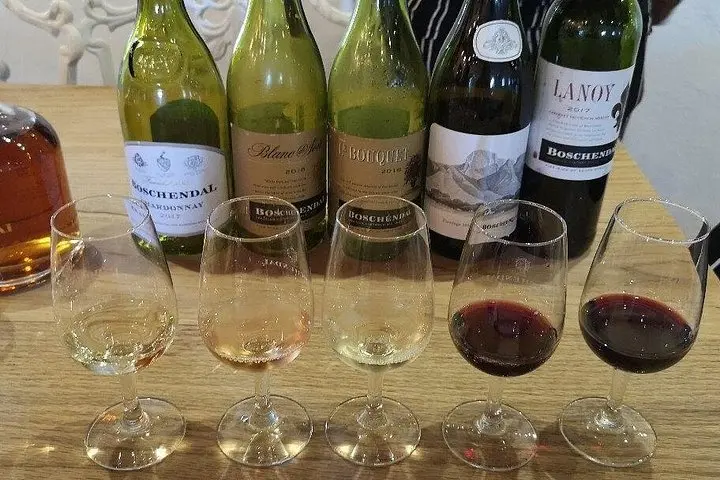
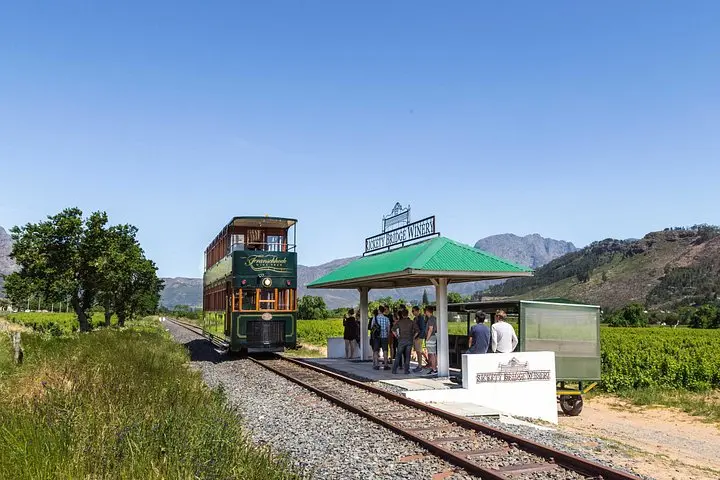
On a hop-on hop-off tram day you’ll typically visit 4–5 estates from a circular Navy line, letting you pace tastings and cellar tours. Expect hourly trams and connecting shuttle buses; tasting fees are paid at each estate. The tram is a pragmatic way to see varied terroirs without driving—ideal if you want to compare fruit-forward wines to restrained, cellar-aged bottlings.
Practical guidance: book the early coach from Cape Town, carry water and a small snack between tastings, and plan which 2–3 estates you most want to linger at. Bring a jacket—valley winds change fast—and keep a list of bottles to ship if you’re buying. The tram schedule can shift for operational reasons, so allow flexibility and savor the slow pace. This is a day built around taste, terrain and timing—let the valley lead the itinerary.
No—tram transport is separate; tasting fees are paid directly at each estate and vary by producer.
Yes, the tour includes a return luxury coach transfer from Cape Town with scheduled pick-up and drop-off points.
Children can ride but wine tastings are restricted to guests 18 and older; infants must sit on an adult’s lap as required.
Yes—the hop-on hop-off tram and shuttle buses run on a loop with hourly service, allowing you to move between estates at your own pace.
City Sightseeing South Africa operates guided outdoor trips and adventures with an emphasis on safety, stewardship, and memorable experiences.
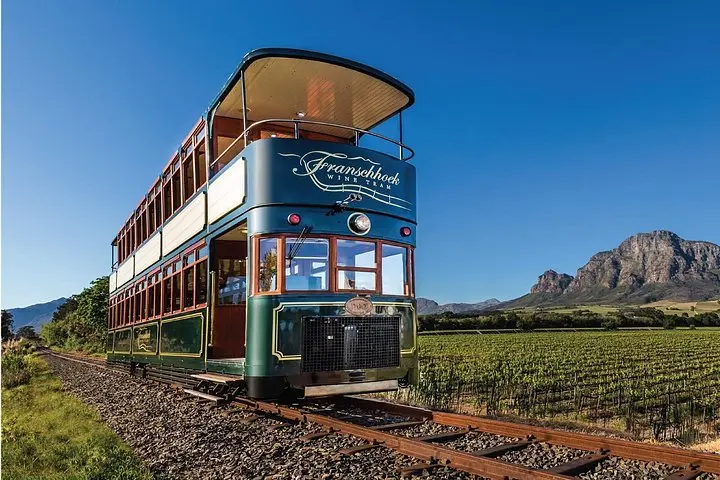
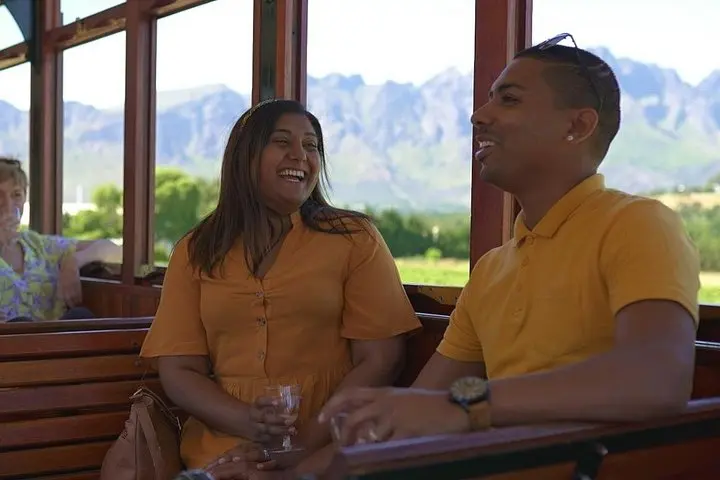
You arrive in the Franschhoek Valley with low mountains drafting a cool shadow over rows of vines; the tram hisses to life and the valley exhales. Rolling vineyards spread down gentle slopes, birds thread between protea bushes, and every estate has its own tone—modern tasting room, old Cape Dutch homestead, or contemporary cellar with a view.
You arrive in the Franschhoek Valley with low mountains drafting a cool shadow over rows of vines; the tram hisses to life and the valley exhales. Rolling vineyards spread down gentle slopes, birds thread between protea bushes, and every estate has its own tone—modern tasting room, old Cape Dutch homestead, or contemporary cellar with a view.
Franschhoek’s wine story stretches back roughly 300 years, shaped by French Huguenot settlers and later by modern winemaking innovation. Geologically the valley is carved from sandstone and granite, with soils that give Shiraz, Cabernet and Chenin Blanc distinct mineral edges. Culture here cycles around food and wine; farm kitchens, winemakers and small artisanal producers form a practical culinary network rather than a tourist veneer.
On a hop-on hop-off tram day you’ll typically visit 4–5 estates from a circular Navy line, letting you pace tastings and cellar tours. Expect hourly trams and connecting shuttle buses; tasting fees are paid at each estate. The tram is a pragmatic way to see varied terroirs without driving—ideal if you want to compare fruit-forward wines to restrained, cellar-aged bottlings.
Practical guidance: book the early coach from Cape Town, carry water and a small snack between tastings, and plan which 2–3 estates you most want to linger at. Bring a jacket—valley winds change fast—and keep a list of bottles to ship if you’re buying. The tram schedule can shift for operational reasons, so allow flexibility and savor the slow pace. This is a day built around taste, terrain and timing—let the valley lead the itinerary.