THE ADVENTURE COLLECTIVE® · Independent discovery and booking for outdoor travel

Trace Frederic Tudor’s improbable ice empire through the streets of Boston in a self-guided outdoor escape game. Solve place-based clues, learn about the 19th-century ice trade, and cover 1.5–3 miles of historic cityscape in about two hours.
Trace Frederic Tudor’s improbable ice empire through the streets of Boston in a self-guided outdoor escape game. Solve place-based clues, learn about the 19th-century ice trade, and cover 1.5–3 miles of historic cityscape in about two hours.
You step off the pavement and into a Boston that still remembers the scrape of ice blocks on wooden sleds. The game opens on a brisk street corner; your phone becomes a ledger of clues and a map of Tudor’s ambition. Sunlight bounces off brick facades while the harbor, not far away, seems to dare you to imagine a time when ice was cargo and commerce hinged on frozen water.
Verified experiences and guided adventures in the surrounding area.
Operated by Escaped Escape Rooms · Boston, Massachusetts
You step off the pavement and into a Boston that still remembers the scrape of ice blocks on wooden sleds. The game opens on a brisk street corner; your phone becomes a ledger of clues and a map of Tudor’s ambition. Sunlight bounces off brick facades while the harbor, not far away, seems to dare you to imagine a time when ice was cargo and commerce hinged on frozen water.
Frederic Tudor—often called the “Ice King”—built an unlikely empire in the early 1800s by harvesting New England ice and shipping it worldwide. The city’s ponds and salt harbors, including Fresh Pond and Jamaica Pond, were the raw material for his experiment in logistics and storage. Walking through Boston’s historic districts, you’ll pass architecture that witnessed the shift from small-scale trade to global markets, and plaques that mark shipyards and old wharves where ice once changed hands.
This outdoor escape game blends history, urban geology, and local color: cobbled alleys, reclaimed waterfront, and the layered cityscape where commerce met climate. Expect two hours of paced walking—roughly 1.5–3 miles—on paved sidewalks with minimal elevation. The experience is self-guided via a smartphone app; clues reference real landmarks and archival anecdotes, so bring curiosity as much as stamina.
Practical guidance: activate your ticket online before arrival, wear comfortable walking shoes, and carry a portable charger. Midday plays best for clearer light and open businesses; evenings add atmosphere but can close some POIs. The game suits most fitness levels but isn’t recommended for those with serious heart or spinal issues. Take your time—this is history you can physically follow, one solved clue at a time.
The typical playtime is about two hours and covers roughly 1.5–3 miles on flat, paved streets—easy fitness level.
No—tickets are valid any day and time, but you must activate your reservation online before starting the game.
It’s self-guided via a smartphone app; clues reference real landmarks and there is no onsite staff guiding you.
The route is on public sidewalks with minimal elevation; however, the game is not recommended for travelers with serious spinal or heart problems and may include stretches with crowds or narrow paths.
Escaped Escape Rooms operates guided outdoor trips and adventures with an emphasis on safety, stewardship, and memorable experiences.
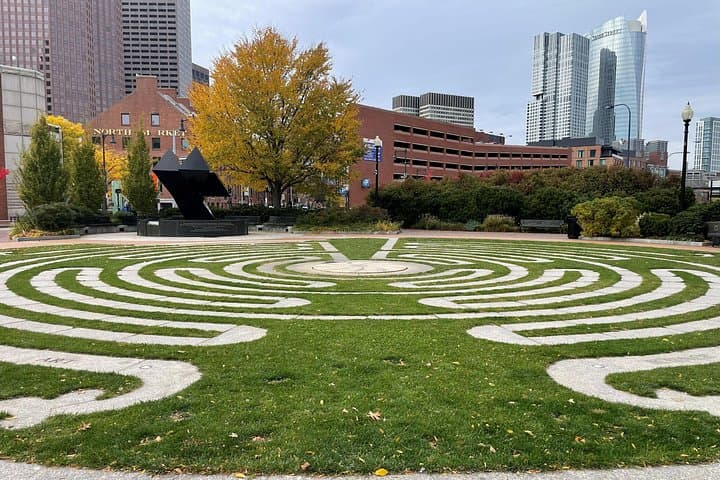



You step off the pavement and into a Boston that still remembers the scrape of ice blocks on wooden sleds. The game opens on a brisk street corner; your phone becomes a ledger of clues and a map of Tudor’s ambition. Sunlight bounces off brick facades while the harbor, not far away, seems to dare you to imagine a time when ice was cargo and commerce hinged on frozen water.
You step off the pavement and into a Boston that still remembers the scrape of ice blocks on wooden sleds. The game opens on a brisk street corner; your phone becomes a ledger of clues and a map of Tudor’s ambition. Sunlight bounces off brick facades while the harbor, not far away, seems to dare you to imagine a time when ice was cargo and commerce hinged on frozen water.
Frederic Tudor—often called the “Ice King”—built an unlikely empire in the early 1800s by harvesting New England ice and shipping it worldwide. The city’s ponds and salt harbors, including Fresh Pond and Jamaica Pond, were the raw material for his experiment in logistics and storage. Walking through Boston’s historic districts, you’ll pass architecture that witnessed the shift from small-scale trade to global markets, and plaques that mark shipyards and old wharves where ice once changed hands.
This outdoor escape game blends history, urban geology, and local color: cobbled alleys, reclaimed waterfront, and the layered cityscape where commerce met climate. Expect two hours of paced walking—roughly 1.5–3 miles—on paved sidewalks with minimal elevation. The experience is self-guided via a smartphone app; clues reference real landmarks and archival anecdotes, so bring curiosity as much as stamina.
Practical guidance: activate your ticket online before arrival, wear comfortable walking shoes, and carry a portable charger. Midday plays best for clearer light and open businesses; evenings add atmosphere but can close some POIs. The game suits most fitness levels but isn’t recommended for those with serious heart or spinal issues. Take your time—this is history you can physically follow, one solved clue at a time.