THE ADVENTURE COLLECTIVE® · Independent discovery and booking for outdoor travel

Turn Frederiksberg into a playground: a 1.5–2 hour self-guided treasure hunt that mixes park play, local stories and family-friendly riddles to explore what makes Denmark one of the happiest places on earth.
Turn Frederiksberg into a playground: a 1.5–2 hour self-guided treasure hunt that mixes park play, local stories and family-friendly riddles to explore what makes Denmark one of the happiest places on earth.
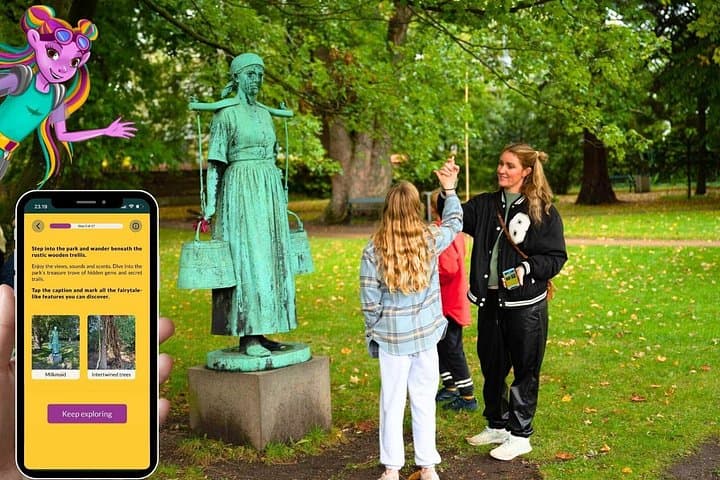
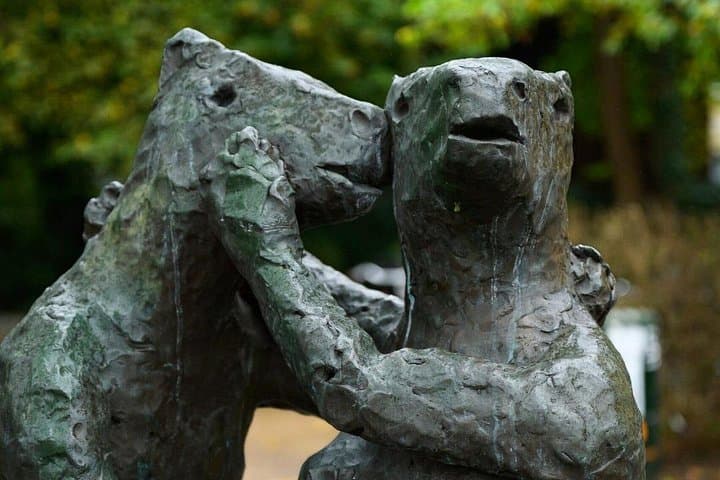
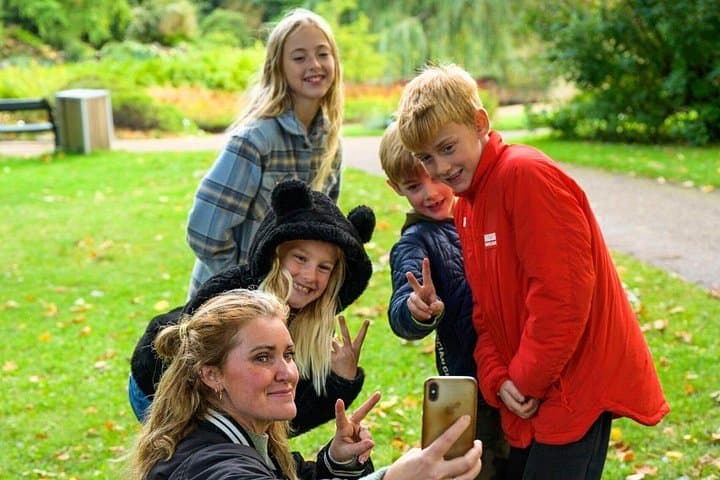
The morning opens at Kejserinde Dagmars Plads: cobbled edges, a small bronze statue, and a cluster of trees that already seem to whisper clues. Children tug on sleeves, maps stay folded—the app chirps the first riddle. The hunt threads through Frederiksberg’s parks and streets, turning ordinary corners into story moments as families collect answers, build a mascot, and test what makes Danish happiness tick.
Verified experiences and guided adventures in the surrounding area.
Operated by Seek+See · Frederiksberg, Capital Region
The morning opens at Kejserinde Dagmars Plads: cobbled edges, a small bronze statue, and a cluster of trees that already seem to whisper clues. Children tug on sleeves, maps stay folded—the app chirps the first riddle. The hunt threads through Frederiksberg’s parks and streets, turning ordinary corners into story moments as families collect answers, build a mascot, and test what makes Danish happiness tick.
Frederiksberg began as a royal escape in the 17th and 18th centuries; its palace and landscaped gardens still shape the neighborhood’s green geometry. Geologically this part of Zealand is low and sandy from glacial deposits, which makes for flat, stroller-friendly walking and broad public gardens rather than steep trails. Culturally the area is defined by small cafés, playground culture and a practical hygge—comfort found in spending time outdoors together.
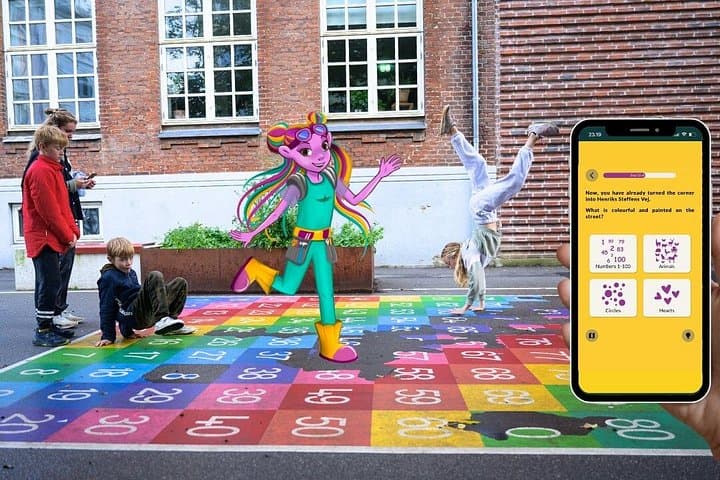
Expect about 1.5–2 hours on foot, roughly 2.5 km on paved paths and city sidewalks. The route favors parks, plazas and safe crossings rather than busy arterials, and many stops are designed to let kids run, sketch or play short games. The app supplies clues in English, Danish and German, so language barriers are low.
Practical matters: charge your phone, bring a light waterproof layer and snacks for small adventurers. Plan for a mid-morning start to catch cafés open and play areas less crowded. The experience is wheelchair- and stroller-accessible and ties local stories to tangible places—an easy, playful way to teach kids about a city while walking its green spine.
The experience lasts about 1.5–2 hours and covers roughly 2.5 km on mostly paved, stroller- and wheelchair-friendly paths.
Yes—the tour provides app access with the story and clues; ensure your phone can run the app and that you have your ticket ready on your device.
Yes. The route is designed for families, and surfaces are accessible for strollers and wheelchairs.
Clues and guidance are available in English, Danish and German.
Seek+See operates guided outdoor trips and adventures with an emphasis on safety, stewardship, and memorable experiences.
The morning opens at Kejserinde Dagmars Plads: cobbled edges, a small bronze statue, and a cluster of trees that already seem to whisper clues. Children tug on sleeves, maps stay folded—the app chirps the first riddle. The hunt threads through Frederiksberg’s parks and streets, turning ordinary corners into story moments as families collect answers, build a mascot, and test what makes Danish happiness tick.
The morning opens at Kejserinde Dagmars Plads: cobbled edges, a small bronze statue, and a cluster of trees that already seem to whisper clues. Children tug on sleeves, maps stay folded—the app chirps the first riddle. The hunt threads through Frederiksberg’s parks and streets, turning ordinary corners into story moments as families collect answers, build a mascot, and test what makes Danish happiness tick.
Frederiksberg began as a royal escape in the 17th and 18th centuries; its palace and landscaped gardens still shape the neighborhood’s green geometry. Geologically this part of Zealand is low and sandy from glacial deposits, which makes for flat, stroller-friendly walking and broad public gardens rather than steep trails. Culturally the area is defined by small cafés, playground culture and a practical hygge—comfort found in spending time outdoors together.
Expect about 1.5–2 hours on foot, roughly 2.5 km on paved paths and city sidewalks. The route favors parks, plazas and safe crossings rather than busy arterials, and many stops are designed to let kids run, sketch or play short games. The app supplies clues in English, Danish and German, so language barriers are low.
Practical matters: charge your phone, bring a light waterproof layer and snacks for small adventurers. Plan for a mid-morning start to catch cafés open and play areas less crowded. The experience is wheelchair- and stroller-accessible and ties local stories to tangible places—an easy, playful way to teach kids about a city while walking its green spine.