THE ADVENTURE COLLECTIVE® · Independent discovery and booking for outdoor travel

Walk the French Quarter with a local guide and taste classic Creole and Cajun dishes while learning the history behind them. This three-hour tour pairs small-plate tastings with clear context on the people, places and trade routes that shaped New Orleans cuisine.
Walk the French Quarter with a local guide and taste classic Creole and Cajun dishes while learning the history behind them. This three-hour tour pairs small-plate tastings with clear context on the people, places and trade routes that shaped New Orleans cuisine.
The first steps fall on worn cobblestones and the air answers with bayou-sweet spice and frying oil. You enter the French Quarter on foot: shutters clap in the breeze, streetcars rattle on Canal, and the Mississippi lays a low, patient presence beyond the blocks. This three-hour guided walk threads through narrow streets where food and history are inseparable.
Verified experiences and guided adventures in the surrounding area.
Operated by The Premier New Orleans Food Tour · New Orleans, Louisiana
The first steps fall on worn cobblestones and the air answers with bayou-sweet spice and frying oil. You enter the French Quarter on foot: shutters clap in the breeze, streetcars rattle on Canal, and the Mississippi lays a low, patient presence beyond the blocks. This three-hour guided walk threads through narrow streets where food and history are inseparable.
The tour traces culinary lines drawn by colonial trade, enslaved and free Black cooks, Acadian refugees and Sicilian immigrants. Geology and the river shaped the city—brackish estuaries made seafood central, while levees and ponds fed a culture of preservation and improvisation. You’ll hear why Creole and Cajun labels mean different techniques and ingredients, and how oyster boats, sugar plantations and 19th-century immigration shaped what ends up on your small plates.
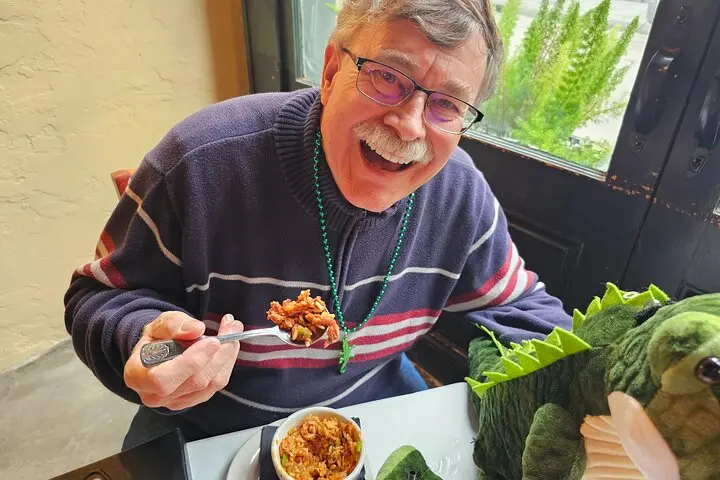
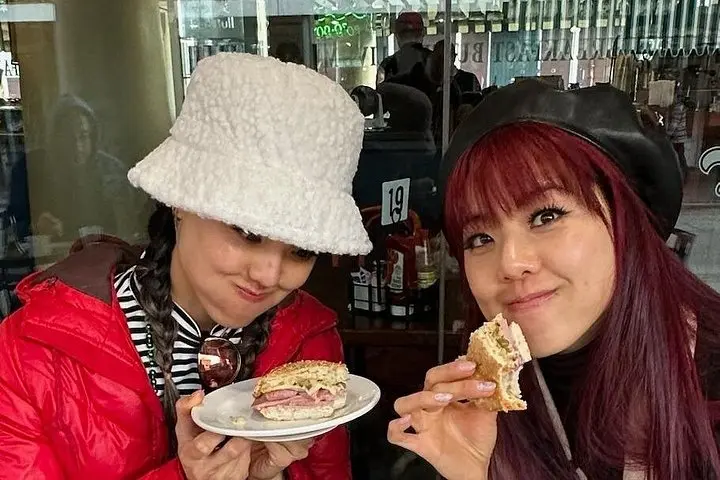
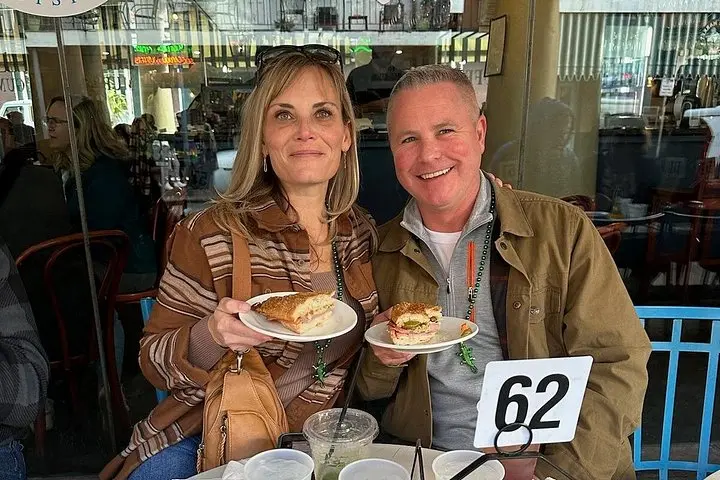
Expect stops at long-standing eateries and hidden counters for gumbo, jambalaya, muffuletta, crawfish étouffée and a century-old brisket recipe at Tujague’s. Guides balance tasting with tight historical context: architecture, voodoo-era anecdotes and the Sicilian bakery scene that brought cannoli to Royal Street.
Practical guidance: the walk covers short, flat blocks—moderate paces with several tasting portions rather than full meals. Comfortable shoes, sun protection and a refillable bottle make the afternoon easier. Tours run rain or shine; umbrella or light rain jacket is smart. If you have allergies or dietary limits, notify when booking—the operator accommodates most requests. By the end you’ll understand not just what to eat, but why New Orleans eats the way it does.
Meet at Market Cafe, 1001 Decatur by the Joan of Arc statue; the tour concludes at Tujague's, 429 Decatur.
Yes—add restrictions in the Special Requirements field at booking or contact the operator after purchase to arrange alternatives.
Short blocks and some crowded spots make stroller use possible; wheelchair accessibility varies by venue—contact the operator for specifics.
Tipping is customary for guides and servers; plan to tip the guide directly at the end if you enjoyed the experience.
The Premier New Orleans Food Tour operates guided outdoor trips and adventures with an emphasis on safety, stewardship, and memorable experiences.
The first steps fall on worn cobblestones and the air answers with bayou-sweet spice and frying oil. You enter the French Quarter on foot: shutters clap in the breeze, streetcars rattle on Canal, and the Mississippi lays a low, patient presence beyond the blocks. This three-hour guided walk threads through narrow streets where food and history are inseparable.
The first steps fall on worn cobblestones and the air answers with bayou-sweet spice and frying oil. You enter the French Quarter on foot: shutters clap in the breeze, streetcars rattle on Canal, and the Mississippi lays a low, patient presence beyond the blocks. This three-hour guided walk threads through narrow streets where food and history are inseparable.
The tour traces culinary lines drawn by colonial trade, enslaved and free Black cooks, Acadian refugees and Sicilian immigrants. Geology and the river shaped the city—brackish estuaries made seafood central, while levees and ponds fed a culture of preservation and improvisation. You’ll hear why Creole and Cajun labels mean different techniques and ingredients, and how oyster boats, sugar plantations and 19th-century immigration shaped what ends up on your small plates.
Expect stops at long-standing eateries and hidden counters for gumbo, jambalaya, muffuletta, crawfish étouffée and a century-old brisket recipe at Tujague’s. Guides balance tasting with tight historical context: architecture, voodoo-era anecdotes and the Sicilian bakery scene that brought cannoli to Royal Street.
Practical guidance: the walk covers short, flat blocks—moderate paces with several tasting portions rather than full meals. Comfortable shoes, sun protection and a refillable bottle make the afternoon easier. Tours run rain or shine; umbrella or light rain jacket is smart. If you have allergies or dietary limits, notify when booking—the operator accommodates most requests. By the end you’ll understand not just what to eat, but why New Orleans eats the way it does.