THE ADVENTURE COLLECTIVE® · Independent discovery and booking for outdoor travel

Walk the streets of the French Quarter at dusk with a licensed local guide and hear the neighborhood’s darkest stories—from haunted hotels to the infamous LaLaurie Mansion. This 1–2 hour tour blends documented history, ghost lore, and bar stops for an unmistakably New Orleans evening.
Walk the streets of the French Quarter at dusk with a licensed local guide and hear the neighborhood’s darkest stories—from haunted hotels to the infamous LaLaurie Mansion. This 1–2 hour tour blends documented history, ghost lore, and bar stops for an unmistakably New Orleans evening.
The tour begins at the iron gate of Lafitte's Blacksmith Shop Bar, where the warm, humid air of the Quarter carries streetcar bells and a faint, bourbon-slicked sweetness. Guests gather on the cracked flagstones; guide’s voice cuts through the murmurs and the distant brass band. The group moves off at a steady, conversational pace—past narrow courtyards, shuttered balconies, and gas-lamp shadows that seem to lean closer as twilight falls.
Verified experiences and guided adventures in the surrounding area.
Operated by New Orleans Drunk History Tours • Show Me New Orleans Tours · New Orleans, Louisiana
The tour begins at the iron gate of Lafitte's Blacksmith Shop Bar, where the warm, humid air of the Quarter carries streetcar bells and a faint, bourbon-slicked sweetness. Guests gather on the cracked flagstones; guide’s voice cuts through the murmurs and the distant brass band. The group moves off at a steady, conversational pace—past narrow courtyards, shuttered balconies, and gas-lamp shadows that seem to lean closer as twilight falls.
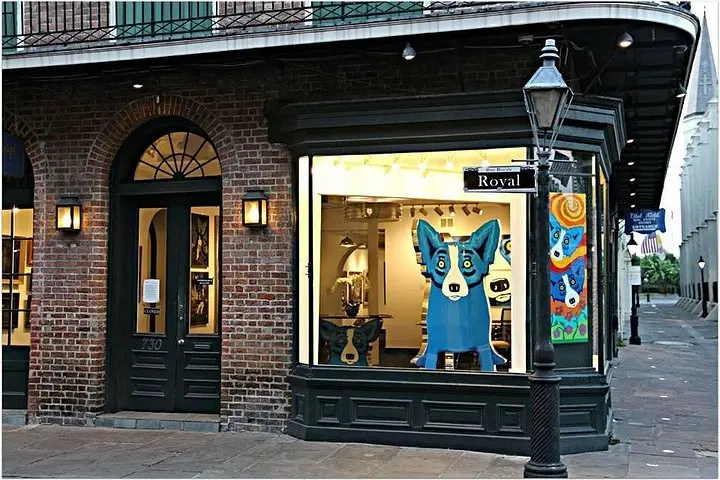
This corner of New Orleans is one of the nation's oldest urban fabrics. Buildings date to the 18th and 19th centuries, and their layers of brick, iron, and boarded windows hold stories of colonial trade, Creole life, and more painful chapters—the former slave exchange and the macabre accounts tied to houses like the LaLaurie Mansion.
Geologically, the Quarter sits on the natural levee of the Mississippi River; the raised ground made it a logical settlement long before modern flood controls. Culturally, the neighborhood is a crossroads: French, Spanish, African, and Caribbean influences folded into the architecture, music, cuisine, and the city’s belief in the supernatural.
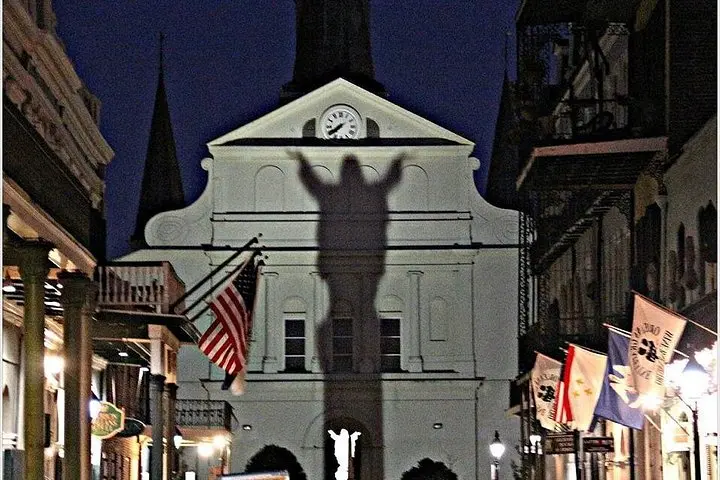
Guides frame the route with local lore and documented history—tales that were recorded as much for their theatricality as for their connection to real events. Stops include Bourbon Street’s oldest bars, the Bourbon Orleans Hotel with its convent-and-ballroom past, and the narrow alleys where residents report lights, footsteps, and orbs in photographs. Along the way you’ll hear accounts told on programs like The History Channel, and guides will demonstrate basic paranormal tools, like EMF meters, to illustrate how investigators work.
Practically, this is a 1–2 hour walking experience over old, uneven sidewalks; pace is moderate. The tour is rain-or-shine and follows public streets and sidewalks—no entry into private homes. Guests may purchase to-go drinks at venue stops (age restrictions apply at some bars). Photography is encouraged; video and audio recording of guide narrations is not permitted.
For travelers, the tour is part history lesson, part theatrical walk through a living, inhabited neighborhood. It’s best in the evening when light levels and a cooling breeze sharpen shadows and make architectural features more dramatic. Respect for residents is emphasized: no trespassing, no ringing doorbells, and stay with the group.
If you want a compact, atmospheric introduction to why New Orleans calls itself highly haunted, this walk delivers local storytelling with a clear sense of place—and enough practical guidance that you leave knowing where the stories begin and how to explore the Quarter on your own afterward.
No—drinks are available for purchase at select bars along the route; guests may buy to-go beverages where permitted.
Children may attend but must be accompanied by an adult; some bars do not admit minors so plan accordingly.
The tour provider lists wheelchair accessible surfaces, but the route uses historic sidewalks and can include narrow areas—contact the operator to confirm accommodations.
Meet at the gate of the courtyard attached to Lafitte's Blacksmith Shop Bar, 941 Bourbon Street; do not enter the bar as the meeting point.
All sales are final. If the operator cancels due to insufficient numbers or other reasons, you will be offered an alternate tour or a full refund per their notice procedures.
Paranormal equipment may be checked out at the start per the operator’s rules and must be returned; audio/video recording of guide narrations is not allowed, though still photos are encouraged.
New Orleans Drunk History Tours • Show Me New Orleans Tours operates guided outdoor trips and adventures with an emphasis on safety, stewardship, and memorable experiences.
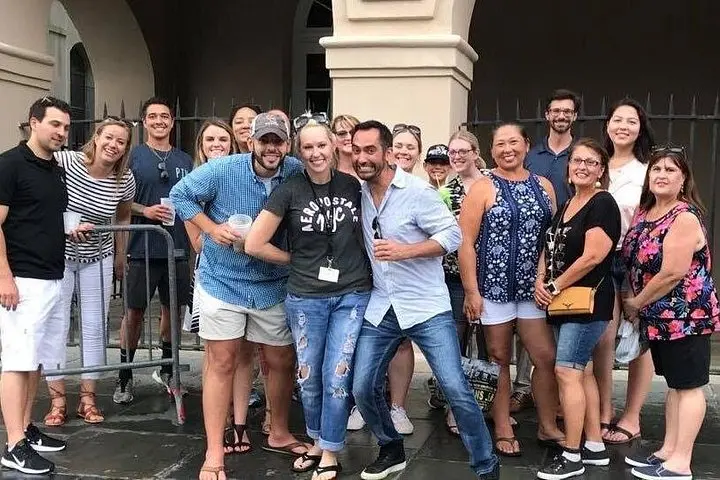
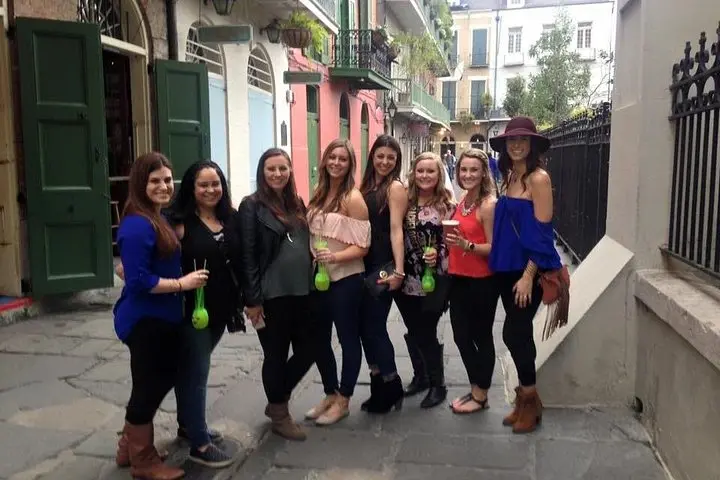
The tour begins at the iron gate of Lafitte's Blacksmith Shop Bar, where the warm, humid air of the Quarter carries streetcar bells and a faint, bourbon-slicked sweetness. Guests gather on the cracked flagstones; guide’s voice cuts through the murmurs and the distant brass band. The group moves off at a steady, conversational pace—past narrow courtyards, shuttered balconies, and gas-lamp shadows that seem to lean closer as twilight falls.
The tour begins at the iron gate of Lafitte's Blacksmith Shop Bar, where the warm, humid air of the Quarter carries streetcar bells and a faint, bourbon-slicked sweetness. Guests gather on the cracked flagstones; guide’s voice cuts through the murmurs and the distant brass band. The group moves off at a steady, conversational pace—past narrow courtyards, shuttered balconies, and gas-lamp shadows that seem to lean closer as twilight falls.
This corner of New Orleans is one of the nation's oldest urban fabrics. Buildings date to the 18th and 19th centuries, and their layers of brick, iron, and boarded windows hold stories of colonial trade, Creole life, and more painful chapters—the former slave exchange and the macabre accounts tied to houses like the LaLaurie Mansion.
Geologically, the Quarter sits on the natural levee of the Mississippi River; the raised ground made it a logical settlement long before modern flood controls. Culturally, the neighborhood is a crossroads: French, Spanish, African, and Caribbean influences folded into the architecture, music, cuisine, and the city’s belief in the supernatural.
Guides frame the route with local lore and documented history—tales that were recorded as much for their theatricality as for their connection to real events. Stops include Bourbon Street’s oldest bars, the Bourbon Orleans Hotel with its convent-and-ballroom past, and the narrow alleys where residents report lights, footsteps, and orbs in photographs. Along the way you’ll hear accounts told on programs like The History Channel, and guides will demonstrate basic paranormal tools, like EMF meters, to illustrate how investigators work.
Practically, this is a 1–2 hour walking experience over old, uneven sidewalks; pace is moderate. The tour is rain-or-shine and follows public streets and sidewalks—no entry into private homes. Guests may purchase to-go drinks at venue stops (age restrictions apply at some bars). Photography is encouraged; video and audio recording of guide narrations is not permitted.
For travelers, the tour is part history lesson, part theatrical walk through a living, inhabited neighborhood. It’s best in the evening when light levels and a cooling breeze sharpen shadows and make architectural features more dramatic. Respect for residents is emphasized: no trespassing, no ringing doorbells, and stay with the group.
If you want a compact, atmospheric introduction to why New Orleans calls itself highly haunted, this walk delivers local storytelling with a clear sense of place—and enough practical guidance that you leave knowing where the stories begin and how to explore the Quarter on your own afterward.