THE ADVENTURE COLLECTIVE® · Independent discovery and booking for outdoor travel

In two hours you can walk the French Quarter with a guide who ties its architecture, river history and music into a clear story. Expect intimate streets, cobblestones, Jackson Square views and plenty of stops for photos and local color.
In two hours you can walk the French Quarter with a guide who ties its architecture, river history and music into a clear story. Expect intimate streets, cobblestones, Jackson Square views and plenty of stops for photos and local color.
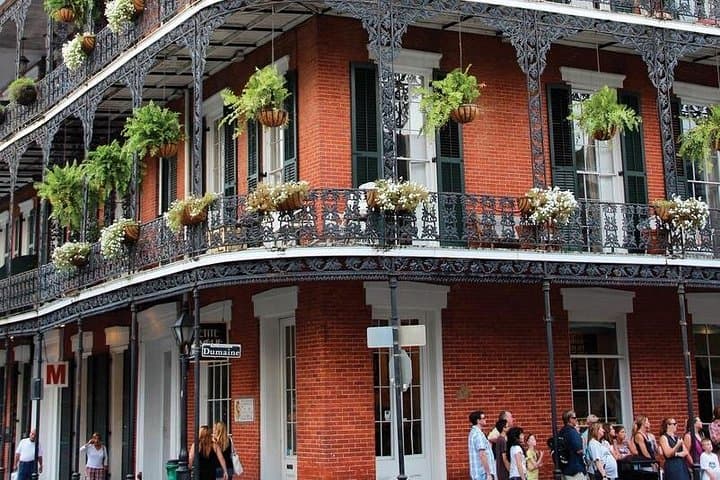
The guide counts off the minutes and you step from the wide shade of an iron-lace balcony into a street where sound and smell move like weather. Street musicians tune brass under gas lamps, a café steams sugar into the air, and the Mississippi makes a low, steady promise at the riverfront. For two hours the French Quarter unfurls as a living classroom: façades that survived storms, alleys that remember duels, and porches where music began to keep the night alive.
Verified experiences and guided adventures in the surrounding area.
Operated by Cajun Encounters Tour Co. · New Orleans, Louisiana
The guide counts off the minutes and you step from the wide shade of an iron-lace balcony into a street where sound and smell move like weather. Street musicians tune brass under gas lamps, a café steams sugar into the air, and the Mississippi makes a low, steady promise at the riverfront. For two hours the French Quarter unfurls as a living classroom: façades that survived storms, alleys that remember duels, and porches where music began to keep the night alive.
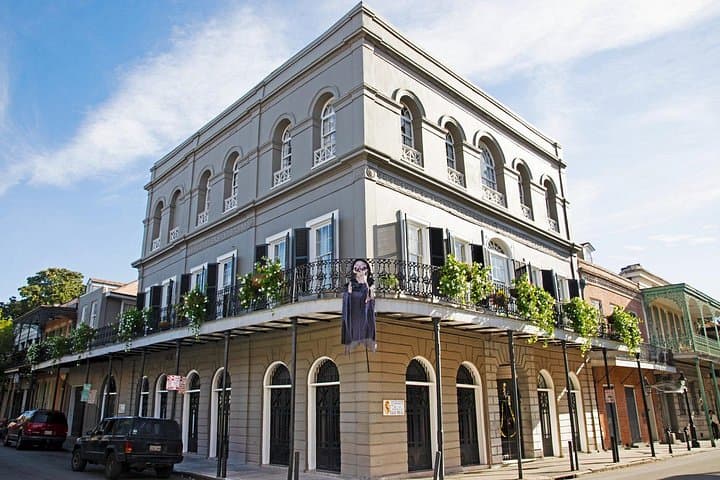
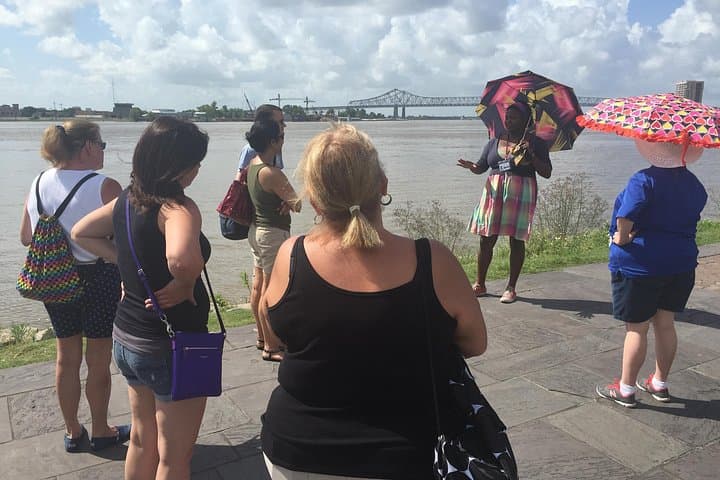
This is where French, Spanish and Caribbean influences collided to create a distinct urban fabric. Buildings tilt with history—thick masonry from the Spanish rebuilding after fires, open wrought-iron galleries imported from the trade networks of the 19th century, and narrow Creole cottages that reflect a racially and culturally complex past. Jackson Square, once a military parade ground and now a hub of painters and fortune-tellers, fronts the cathedral that has marked New Orleans’ skyline since colonial days. A short turn toward the river gives you a reminder that the Quarter exists because of—and sometimes in spite of—the Mississippi, which shaped commerce, migration and the music that would become jazz.
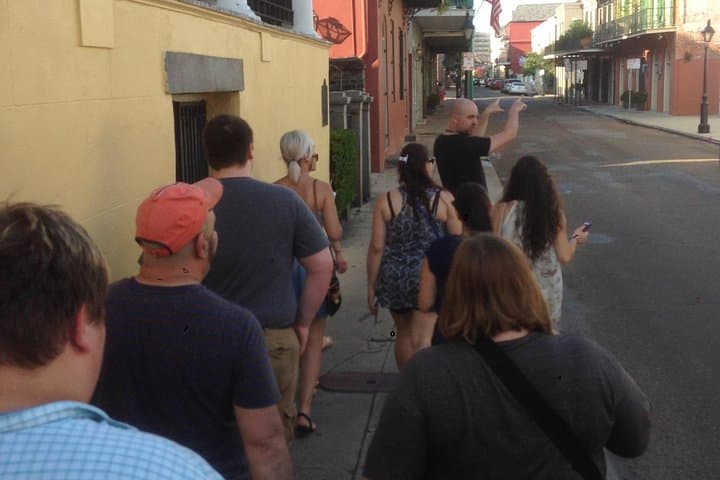
The walking route moves at a measured pace: roughly 1.5 miles (2.4 km) on mostly paved streets with occasional cobblestones and narrow alleys. Expect low elevation change but uneven surfaces; there are frequent stopping points for explanation and photo frames. Highlights typically include Jackson Square, views across the riverfront, and curated architectural stops explaining Creole townhouses, Spanish colonial infill, and the cultural roots of New Orleans’ music scene.
Practicalities: the tour lasts about 120 minutes and is suitable for most fitness levels—families are welcome and children must be accompanied. Groups are capped around 28 people, so arrive 10–15 minutes early with your mobile ticket. Public transit and the historic St. Charles and Canal Street streetcars come close, and many hotels are a short walk away. The experience is weather-dependent; bring a lightweight rain jacket in spring and summer and a warm layer for breezy winter evenings.
Tips for planning: wear sturdy, closed-toe shoes for cobbles and unexpected puddles; carry water and sunscreen, especially in summer heat; keep small bills for guide gratuities or street vendors; and plan a cafe stop after the walk to hear live music and watch the Quarter continue to perform.
This guided walk is both an orientation to the Quarter’s architecture and a reminder that New Orleans is a city made of stories—each balcony, alley, and brass line in the air has a history ready to be heard if you slow your pace and listen.
Meeting times and exact start point are provided on your booking confirmation—plan to arrive 10–15 minutes early; the tour typically finishes near Jackson Square or the riverfront.
Yes; the tour is rated easy and suitable for all fitness levels, but children must be accompanied by an adult and some participants may prefer a slower pace.
Much of the Quarter uses uneven sidewalks and occasional cobblestones; accessibility may be limited—contact the operator ahead to discuss accommodations.
Full refund if canceled at least 24 hours before departure; tours may be canceled for bad weather per operator policy.
Public restrooms are limited; guides can point out nearby cafés or facilities during the route for a quick break.
No—mobile tickets are accepted. Have your confirmation ready on your phone and bring ID if requested.
Cajun Encounters Tour Co. operates guided outdoor trips and adventures with an emphasis on safety, stewardship, and memorable experiences.
The guide counts off the minutes and you step from the wide shade of an iron-lace balcony into a street where sound and smell move like weather. Street musicians tune brass under gas lamps, a café steams sugar into the air, and the Mississippi makes a low, steady promise at the riverfront. For two hours the French Quarter unfurls as a living classroom: façades that survived storms, alleys that remember duels, and porches where music began to keep the night alive.
The guide counts off the minutes and you step from the wide shade of an iron-lace balcony into a street where sound and smell move like weather. Street musicians tune brass under gas lamps, a café steams sugar into the air, and the Mississippi makes a low, steady promise at the riverfront. For two hours the French Quarter unfurls as a living classroom: façades that survived storms, alleys that remember duels, and porches where music began to keep the night alive.
This is where French, Spanish and Caribbean influences collided to create a distinct urban fabric. Buildings tilt with history—thick masonry from the Spanish rebuilding after fires, open wrought-iron galleries imported from the trade networks of the 19th century, and narrow Creole cottages that reflect a racially and culturally complex past. Jackson Square, once a military parade ground and now a hub of painters and fortune-tellers, fronts the cathedral that has marked New Orleans’ skyline since colonial days. A short turn toward the river gives you a reminder that the Quarter exists because of—and sometimes in spite of—the Mississippi, which shaped commerce, migration and the music that would become jazz.
The walking route moves at a measured pace: roughly 1.5 miles (2.4 km) on mostly paved streets with occasional cobblestones and narrow alleys. Expect low elevation change but uneven surfaces; there are frequent stopping points for explanation and photo frames. Highlights typically include Jackson Square, views across the riverfront, and curated architectural stops explaining Creole townhouses, Spanish colonial infill, and the cultural roots of New Orleans’ music scene.
Practicalities: the tour lasts about 120 minutes and is suitable for most fitness levels—families are welcome and children must be accompanied. Groups are capped around 28 people, so arrive 10–15 minutes early with your mobile ticket. Public transit and the historic St. Charles and Canal Street streetcars come close, and many hotels are a short walk away. The experience is weather-dependent; bring a lightweight rain jacket in spring and summer and a warm layer for breezy winter evenings.
Tips for planning: wear sturdy, closed-toe shoes for cobbles and unexpected puddles; carry water and sunscreen, especially in summer heat; keep small bills for guide gratuities or street vendors; and plan a cafe stop after the walk to hear live music and watch the Quarter continue to perform.
This guided walk is both an orientation to the Quarter’s architecture and a reminder that New Orleans is a city made of stories—each balcony, alley, and brass line in the air has a history ready to be heard if you slow your pace and listen.