THE ADVENTURE COLLECTIVE® · Independent discovery and booking for outdoor travel

Step into Pirate’s Alley and let a certified local guide unspool New Orleans’ Creole history in a 90‑minute walking tour through the French Quarter—full of hidden courtyards, colonial architecture and voice-rich stories that connect past and present.
Step into Pirate’s Alley and let a certified local guide unspool New Orleans’ Creole history in a 90‑minute walking tour through the French Quarter—full of hidden courtyards, colonial architecture and voice-rich stories that connect past and present.
You step off Jackson Square into Pirate’s Alley and the city reaches out like a storyteller pressing a palm to your shoulder. The air carries coffee steam, brass, and the faint brine of the Mississippi—every note an entry point to centuries of trade, migration and argument. For 90 minutes a certified local guide threads these sounds and stones together, shifting from colonial plazas to narrow courtyards where Creole conversations still echo against stucco and forged iron.
Verified experiences and guided adventures in the surrounding area.
Operated by Brown Flavor Tour · New Orleans, Louisiana
You step off Jackson Square into Pirate’s Alley and the city reaches out like a storyteller pressing a palm to your shoulder. The air carries coffee steam, brass, and the faint brine of the Mississippi—every note an entry point to centuries of trade, migration and argument. For 90 minutes a certified local guide threads these sounds and stones together, shifting from colonial plazas to narrow courtyards where Creole conversations still echo against stucco and forged iron.
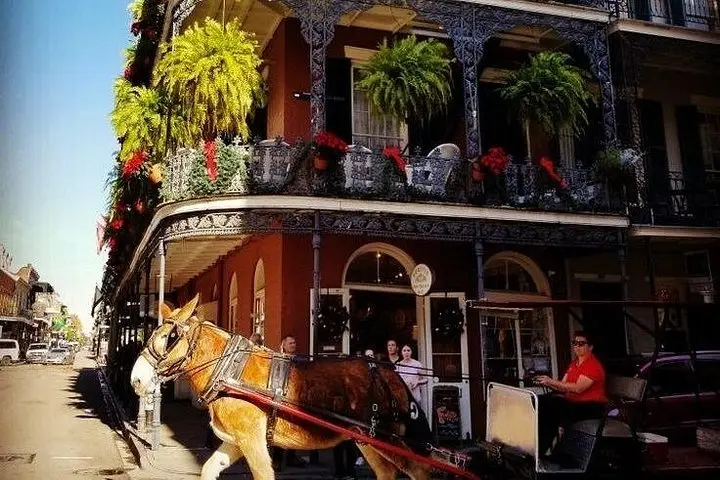
The French Quarter is older than the United States as a nation; founded in 1718 on an alluvial plain the river still reshapes. Walks here are more archaeology of living places than static sightseeing: Spanish brick overlays French foundations, and that layering explains the unique high-walled courtyards, arcaded galleries and raised basements built to resist floods. The tour stops at facts and legends—St. Louis Cathedral’s façade, the cabinet of city records, tales of Madame LaLaurie’s dark reputation, and the devotional practices tied to Marie Laveau that shaped New Orleans’ spiritual life.
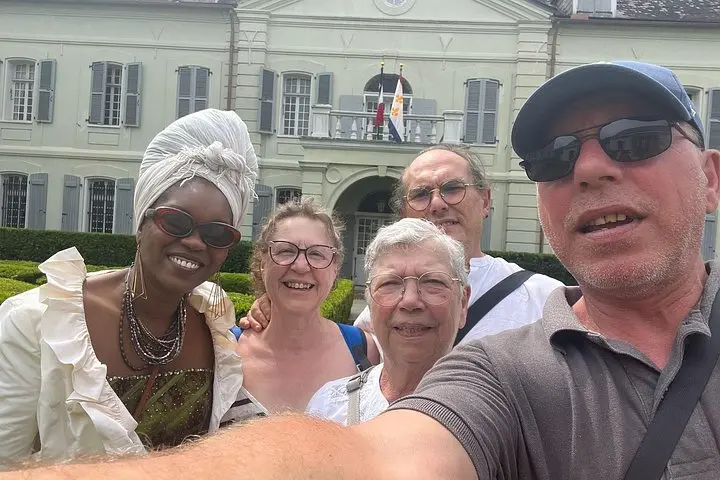
This is a walking tour built around people: Creole families, privateers turned icons, and neighborhood tradespeople whose histories surface in shop signs and ironwork. Guides offer multilingual narration—English, Spanish, French and Italian—and point out architectural details that most visitors miss: hidden courtyards, original courtyard wells, and a pocket of Ursuline influence that steered education and welfare through colonial eras. Public squares hum with street performers who keep the Quarter’s music alive, while the Mississippi waits a block away, patient and persuasive.
Practicalities are straightforward. The meeting point is opposite Café Pirate Alley at the corner of St. Louis Cathedral; tours run about 90 minutes and accommodate up to 18 people. The route is wheelchair- and stroller-accessible along mainly paved streets and alleys, but expect some uneven cobbles. Bring a reusable water bottle and wear shoes you can stand in for an hour and a half; summer heat and surprise showers are common, so dress in light layers. Guides will tailor stories to the group and offer local tips for food, music venues and nearby museums if you want to keep exploring.
Timing matters: mornings feel fresher and quieter for photos, afternoons are livelier when the Quarter’s café culture swells. Above all, move respectfully—these are lived-in neighborhoods with delicate architectures and resilient communities. A walking tour here isn’t just about seeing New Orleans; it’s about listening to the city as it speaks, loudly and with history behind every corner.
The tour meets and ends opposite Café Pirate Alley, on the corner of St. Louis Cathedral at Jackson Square.
Guides can provide narration in English, Spanish, French or Italian—confirm your preference when booking if required.
Yes—streets and primary paths on this tour are wheelchair- and stroller-accessible, though some cobbles may be bumpy.
The tour lasts about 90 minutes and runs with up to 18 participants in a shared group.
Yes—infants and small children can join; note the operator serves alcoholic beverages only to guests over 21.
Full refunds are available if you cancel at least 24 hours before departure; no refund within 24 hours of the tour.
Brown Flavor Tour operates guided outdoor trips and adventures with an emphasis on safety, stewardship, and memorable experiences.
You step off Jackson Square into Pirate’s Alley and the city reaches out like a storyteller pressing a palm to your shoulder. The air carries coffee steam, brass, and the faint brine of the Mississippi—every note an entry point to centuries of trade, migration and argument. For 90 minutes a certified local guide threads these sounds and stones together, shifting from colonial plazas to narrow courtyards where Creole conversations still echo against stucco and forged iron.
You step off Jackson Square into Pirate’s Alley and the city reaches out like a storyteller pressing a palm to your shoulder. The air carries coffee steam, brass, and the faint brine of the Mississippi—every note an entry point to centuries of trade, migration and argument. For 90 minutes a certified local guide threads these sounds and stones together, shifting from colonial plazas to narrow courtyards where Creole conversations still echo against stucco and forged iron.
The French Quarter is older than the United States as a nation; founded in 1718 on an alluvial plain the river still reshapes. Walks here are more archaeology of living places than static sightseeing: Spanish brick overlays French foundations, and that layering explains the unique high-walled courtyards, arcaded galleries and raised basements built to resist floods. The tour stops at facts and legends—St. Louis Cathedral’s façade, the cabinet of city records, tales of Madame LaLaurie’s dark reputation, and the devotional practices tied to Marie Laveau that shaped New Orleans’ spiritual life.
This is a walking tour built around people: Creole families, privateers turned icons, and neighborhood tradespeople whose histories surface in shop signs and ironwork. Guides offer multilingual narration—English, Spanish, French and Italian—and point out architectural details that most visitors miss: hidden courtyards, original courtyard wells, and a pocket of Ursuline influence that steered education and welfare through colonial eras. Public squares hum with street performers who keep the Quarter’s music alive, while the Mississippi waits a block away, patient and persuasive.
Practicalities are straightforward. The meeting point is opposite Café Pirate Alley at the corner of St. Louis Cathedral; tours run about 90 minutes and accommodate up to 18 people. The route is wheelchair- and stroller-accessible along mainly paved streets and alleys, but expect some uneven cobbles. Bring a reusable water bottle and wear shoes you can stand in for an hour and a half; summer heat and surprise showers are common, so dress in light layers. Guides will tailor stories to the group and offer local tips for food, music venues and nearby museums if you want to keep exploring.
Timing matters: mornings feel fresher and quieter for photos, afternoons are livelier when the Quarter’s café culture swells. Above all, move respectfully—these are lived-in neighborhoods with delicate architectures and resilient communities. A walking tour here isn’t just about seeing New Orleans; it’s about listening to the city as it speaks, loudly and with history behind every corner.