THE ADVENTURE COLLECTIVE® · Independent discovery and booking for outdoor travel

Walk the streets that doubled for Friends’ most iconic exteriors on a private two-hour tour of Manhattan spots from the West Village to landmark addresses. Expect compact walks, subway hops, and a guide who pairs pop-culture gossip with neighborhood history.
Walk the streets that doubled for Friends’ most iconic exteriors on a private two-hour tour of Manhattan spots from the West Village to landmark addresses. Expect compact walks, subway hops, and a guide who pairs pop-culture gossip with neighborhood history.
You step out of a West Village subway stop and the city greets you like a warm laugh: traffic hums, bakery ovens send out a yeast-sweet breath, and a brownstone facade used for Monica's apartment stares back at you in familiar frames.
Verified experiences and guided adventures in the surrounding area.
Operated by Friendly Local Guides · New York, New York
You step out of a West Village subway stop and the city greets you like a warm laugh: traffic hums, bakery ovens send out a yeast-sweet breath, and a brownstone facade used for Monica's apartment stares back at you in familiar frames.
This compact, two-hour private walk threads pop-culture history through real Manhattan streets. The West Village building at Bedford and Grove is the closest thing New York offers to the Friends apartments; a short subway hop reaches the American Museum of Natural History and stretches of Fifth Avenue where the Plaza and Solow Building stand—each location carrying a mix of television myth and genuine civic history. Geologically, you’re on Manhattan’s bedrock of schist; architecturally, the trip moves from 19th-century rowhouses to 20th-century commercial towers that shaped the city’s skyline.
A good guide blends behind-the-scenes anecdotes with context about the neighborhoods—how the Village fostered off-Broadway theaters like the Lucille Lortel and how cafés and diners became informal sets. The tour is mostly paved walking with occasional subway segments; expect 1–2 miles of urban terrain and curb-to-curb navigation.
Practical edge: wear supportive shoes, carry a transit card or contactless payment, and bring a light rain jacket. Morning or late afternoon slots avoid peak tourist crushes and make photos easier. If mobility is a concern, notify the guide—many stops are view-from-street only and the route can be adjusted. This is a cultural, urban walk—less wilderness, more streetwise history—perfect for fans who want stories, context, and a map to keep exploring after the tour ends.
No—most stops are exterior locations or public spaces; interiors in the show were filmed on studio sets in Los Angeles.
Yes—stroller-accessible on most streets, though some stops have curbside crowds; the operator notes infants must sit on laps when in transit.
Yes—this private tour is customizable within the two-hour timeframe; discuss priorities with your guide when booking.
Full refund if cancelled at least 24 hours before the scheduled departure; no refund within 24 hours.
Friendly Local Guides operates guided outdoor trips and adventures with an emphasis on safety, stewardship, and memorable experiences.
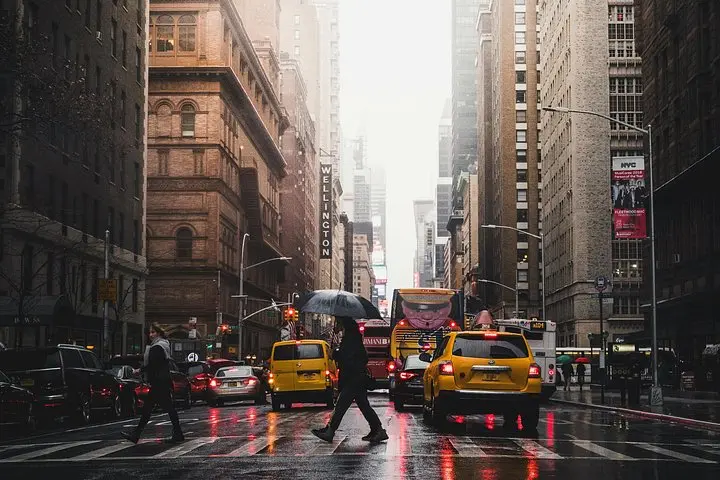
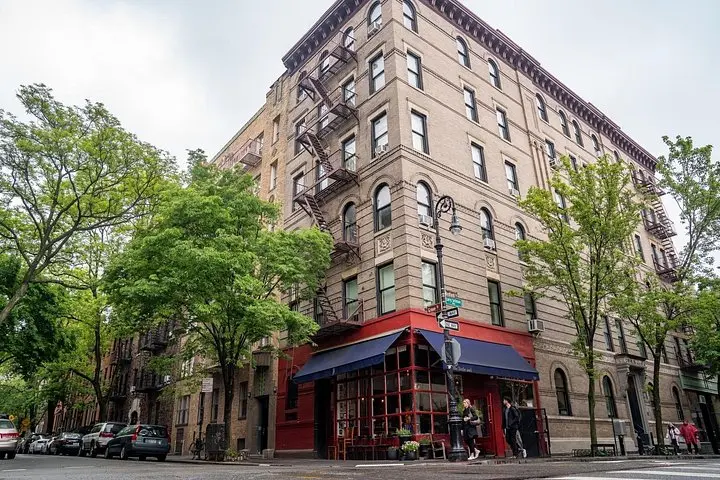
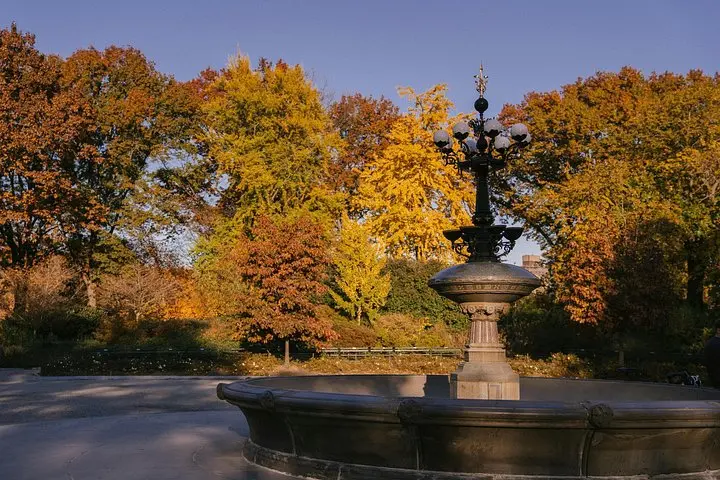
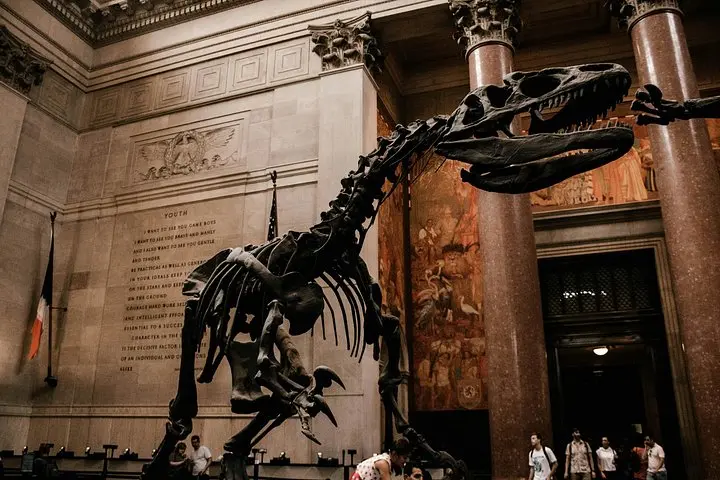
You step out of a West Village subway stop and the city greets you like a warm laugh: traffic hums, bakery ovens send out a yeast-sweet breath, and a brownstone facade used for Monica's apartment stares back at you in familiar frames.
You step out of a West Village subway stop and the city greets you like a warm laugh: traffic hums, bakery ovens send out a yeast-sweet breath, and a brownstone facade used for Monica's apartment stares back at you in familiar frames.
This compact, two-hour private walk threads pop-culture history through real Manhattan streets. The West Village building at Bedford and Grove is the closest thing New York offers to the Friends apartments; a short subway hop reaches the American Museum of Natural History and stretches of Fifth Avenue where the Plaza and Solow Building stand—each location carrying a mix of television myth and genuine civic history. Geologically, you’re on Manhattan’s bedrock of schist; architecturally, the trip moves from 19th-century rowhouses to 20th-century commercial towers that shaped the city’s skyline.
A good guide blends behind-the-scenes anecdotes with context about the neighborhoods—how the Village fostered off-Broadway theaters like the Lucille Lortel and how cafés and diners became informal sets. The tour is mostly paved walking with occasional subway segments; expect 1–2 miles of urban terrain and curb-to-curb navigation.
Practical edge: wear supportive shoes, carry a transit card or contactless payment, and bring a light rain jacket. Morning or late afternoon slots avoid peak tourist crushes and make photos easier. If mobility is a concern, notify the guide—many stops are view-from-street only and the route can be adjusted. This is a cultural, urban walk—less wilderness, more streetwise history—perfect for fans who want stories, context, and a map to keep exploring after the tour ends.