THE ADVENTURE COLLECTIVE® · Independent discovery and booking for outdoor travel

Make a full-day loop from Alexandria Port to the Pyramids of Giza and back, pairing on-foot exploration of ancient monuments with a relaxed Nile lunch cruise. This one-day tour compresses major Cairo highlights into a long but manageable cultural adventure.
Make a full-day loop from Alexandria Port to the Pyramids of Giza and back, pairing on-foot exploration of ancient monuments with a relaxed Nile lunch cruise. This one-day tour compresses major Cairo highlights into a long but manageable cultural adventure.
A salt breeze from the Mediterranean stills as a private minivan pulls away from Alexandria Port and points inland toward the dry horizon where the Pyramids of Giza rise like deliberate answers to the desert.
Verified experiences and guided adventures in the surrounding area.
Operated by This Is Egypt · Giza, Giza Governorate
A salt breeze from the Mediterranean stills as a private minivan pulls away from Alexandria Port and points inland toward the dry horizon where the Pyramids of Giza rise like deliberate answers to the desert.
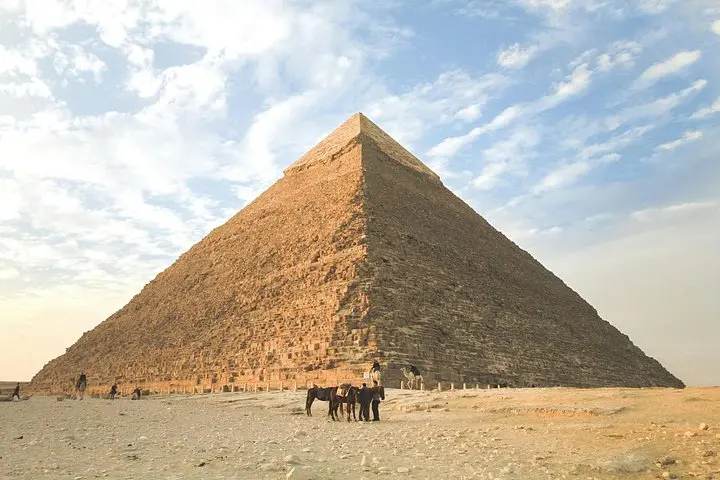
The journey is part modern transit, part time travel: roughly four hours each way across the Nile Delta into Greater Cairo, with a guide who threads Egypt’s millennia of history into the drive. The Giza Plateau, carved from limestone bedrock, holds three main pyramids and the Sphinx—royal tombs erected around 2600 BCE during the Old Kingdom—and the Valley Temple’s dressed stone hints at ritual logistics that outlived empires.
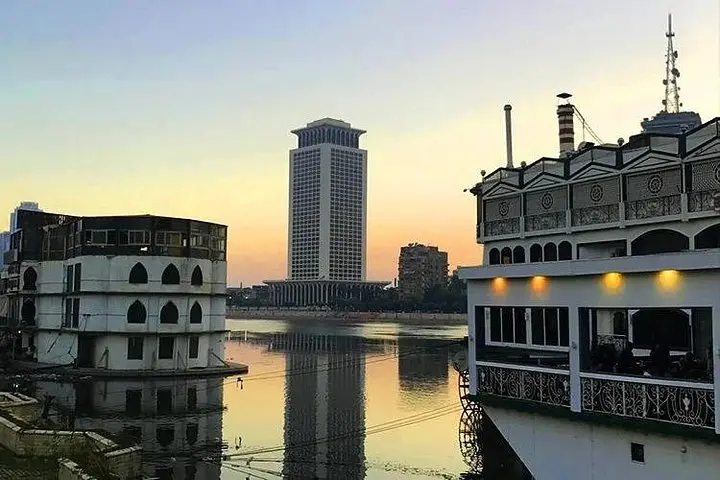
After the plateau, travelers swap the plateau’s open air for a different current: a lunch cruise on the Nile. The river’s slow pull gives a new angle on Cairo’s waterfront neighborhoods and 19th-century corniche architecture as the city edges past.
Cultural trade follows: a papyrus institute visit explains traditional papermaking and offers responsible souvenir options. Expect a long day—measured travel time and time on foot at archaeological sites—and security and visitor routes that shape how you see the monuments.
Practical notes: carry sunscreen, a hat, and a refillable bottle; wear comfortable shoes for uneven stone and short climbs. Timing matters—early arrival at Giza avoids peak heat and crowds, while late afternoon light is best for photos. The trip is equal parts history, landscape, and logistics: an intense single-day immersion bridging Alexandrian shores to the Nile’s slow current and the desert that cradled pharaonic ambition.
Expect about four hours each way by private air-conditioned vehicle, with a possible short rest stop en route.
Yes—this tour includes entrance fees to the Pyramids, the Valley Temple, and the listed sites in the itinerary.
Yes; the itinerary allocates roughly two hours on the Giza Plateau, enough for a focused visit and photos at key viewpoints.
The Nile is typically calm through central Cairo; the short, slow lunch cruise is generally comfortable, but bring medication if you are prone to motion sickness.
This Is Egypt operates guided outdoor trips and adventures with an emphasis on safety, stewardship, and memorable experiences.


A salt breeze from the Mediterranean stills as a private minivan pulls away from Alexandria Port and points inland toward the dry horizon where the Pyramids of Giza rise like deliberate answers to the desert.
A salt breeze from the Mediterranean stills as a private minivan pulls away from Alexandria Port and points inland toward the dry horizon where the Pyramids of Giza rise like deliberate answers to the desert.
The journey is part modern transit, part time travel: roughly four hours each way across the Nile Delta into Greater Cairo, with a guide who threads Egypt’s millennia of history into the drive. The Giza Plateau, carved from limestone bedrock, holds three main pyramids and the Sphinx—royal tombs erected around 2600 BCE during the Old Kingdom—and the Valley Temple’s dressed stone hints at ritual logistics that outlived empires.
After the plateau, travelers swap the plateau’s open air for a different current: a lunch cruise on the Nile. The river’s slow pull gives a new angle on Cairo’s waterfront neighborhoods and 19th-century corniche architecture as the city edges past.
Cultural trade follows: a papyrus institute visit explains traditional papermaking and offers responsible souvenir options. Expect a long day—measured travel time and time on foot at archaeological sites—and security and visitor routes that shape how you see the monuments.
Practical notes: carry sunscreen, a hat, and a refillable bottle; wear comfortable shoes for uneven stone and short climbs. Timing matters—early arrival at Giza avoids peak heat and crowds, while late afternoon light is best for photos. The trip is equal parts history, landscape, and logistics: an intense single-day immersion bridging Alexandrian shores to the Nile’s slow current and the desert that cradled pharaonic ambition.