THE ADVENTURE COLLECTIVE® · Independent discovery and booking for outdoor travel

Combine iconic Himalayan trekking to Annapurna Base Camp with a day of Trisuli River rafting on this compact 7-day adventure. Expect high mountain trails, Gurung villages, and guided whitewater—ideal for active travelers with limited time.
Combine iconic Himalayan trekking to Annapurna Base Camp with a day of Trisuli River rafting on this compact 7-day adventure. Expect high mountain trails, Gurung villages, and guided whitewater—ideal for active travelers with limited time.
Dawn breaks over a jagged ring of granite and ice as trekkers stand at Annapurna Base Camp, breath steaming, eyes fixed on a horizon of serrated peaks. The air is thin and bright; rhododendron forests give way to alpine meadows and the trail becomes a stairway of stone and prayer flags leading higher. Days begin with tea and local bread, end with shared stories in a simple teahouse, and include a finale that trades mountain silence for the rush of the Trisuli River.
Verified experiences and guided adventures in the surrounding area.
Operated by CAN Travels · Pokhara, Gandaki Province
Dawn breaks over a jagged ring of granite and ice as trekkers stand at Annapurna Base Camp, breath steaming, eyes fixed on a horizon of serrated peaks. The air is thin and bright; rhododendron forests give way to alpine meadows and the trail becomes a stairway of stone and prayer flags leading higher. Days begin with tea and local bread, end with shared stories in a simple teahouse, and include a finale that trades mountain silence for the rush of the Trisuli River.
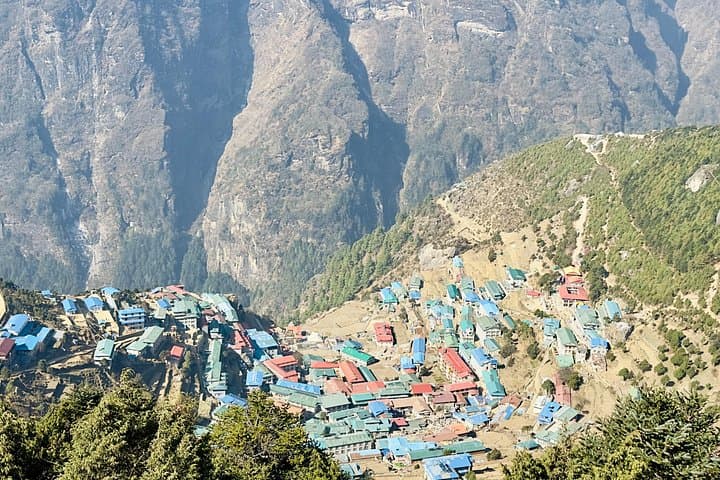
This itinerary pairs classic Himalayan trekking—steep switchbacks, high passes, and a natural amphitheater at 4,130 m—with a one-day whitewater section on the Trisuli, a river carved through foothill limestone. The Annapurna region has long been home to Gurung and Magar communities; villages like Ghandruk and Chhomrong illustrate traditional stone architecture and agricultural terraces. Geologically, the range is young and uplifted, producing dramatic relief and frequent microclimates that support oak, bamboo, and rhododendron.
Practical guidance: expect 6–8 hours of hiking on key days with ~1,200–1,400 m elevation gain on ascent days; acclimatize and watch for AMS (acute mountain sickness). Comfortable, broken-in hiking boots and layered insulation are essential for cold nights above 3,000 m. The rafting day is guided and suitable for beginners but requires basic swimming comfort and a secure life jacket.
Timing matters—spring and autumn offer the clearest views. Carry cash for remote guesthouses, respect local customs (ask before photographing), and pack out non-biodegradable waste to protect fragile alpine zones.
No; the route to Annapurna Base Camp is a trekking route with no technical climbing, though it requires sustained fitness and altitude awareness.
Yes; Trisuli rafting on this itinerary is guided and appropriate for first-time rafters who can swim and follow safety briefings.
Trekking requires the Annapurna Conservation Area Permit (ACAP) and Trekkers' Information Management System (TIMS) card—these are typically provided by the operator.
Nighttime temperatures above 3,500 m can drop below freezing, especially in fall and winter, so bring insulating layers and a warm sleeping bag.
CAN Travels operates guided outdoor trips and adventures with an emphasis on safety, stewardship, and memorable experiences.
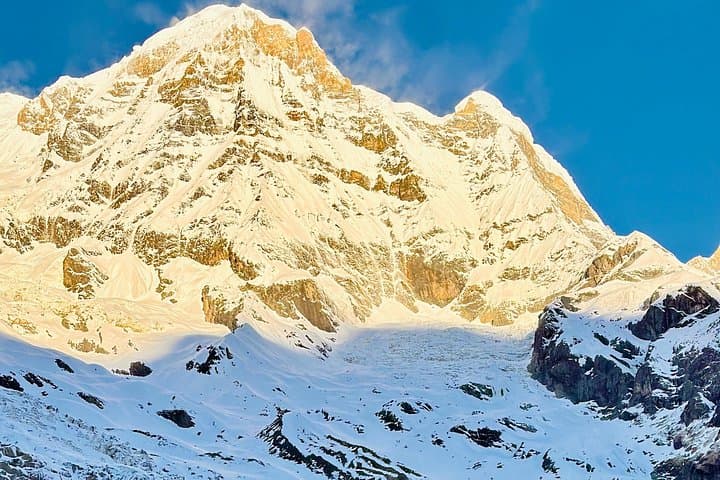

Dawn breaks over a jagged ring of granite and ice as trekkers stand at Annapurna Base Camp, breath steaming, eyes fixed on a horizon of serrated peaks. The air is thin and bright; rhododendron forests give way to alpine meadows and the trail becomes a stairway of stone and prayer flags leading higher. Days begin with tea and local bread, end with shared stories in a simple teahouse, and include a finale that trades mountain silence for the rush of the Trisuli River.
Dawn breaks over a jagged ring of granite and ice as trekkers stand at Annapurna Base Camp, breath steaming, eyes fixed on a horizon of serrated peaks. The air is thin and bright; rhododendron forests give way to alpine meadows and the trail becomes a stairway of stone and prayer flags leading higher. Days begin with tea and local bread, end with shared stories in a simple teahouse, and include a finale that trades mountain silence for the rush of the Trisuli River.
This itinerary pairs classic Himalayan trekking—steep switchbacks, high passes, and a natural amphitheater at 4,130 m—with a one-day whitewater section on the Trisuli, a river carved through foothill limestone. The Annapurna region has long been home to Gurung and Magar communities; villages like Ghandruk and Chhomrong illustrate traditional stone architecture and agricultural terraces. Geologically, the range is young and uplifted, producing dramatic relief and frequent microclimates that support oak, bamboo, and rhododendron.
Practical guidance: expect 6–8 hours of hiking on key days with ~1,200–1,400 m elevation gain on ascent days; acclimatize and watch for AMS (acute mountain sickness). Comfortable, broken-in hiking boots and layered insulation are essential for cold nights above 3,000 m. The rafting day is guided and suitable for beginners but requires basic swimming comfort and a secure life jacket.
Timing matters—spring and autumn offer the clearest views. Carry cash for remote guesthouses, respect local customs (ask before photographing), and pack out non-biodegradable waste to protect fragile alpine zones.