THE ADVENTURE COLLECTIVE® · Independent discovery and booking for outdoor travel

Compare Apollo 17 and Artemis II in a focused 1.5-hour class in Cincinnati, Ohio. Learn what changed in spacecraft, science goals, and what still needs to happen before humans return to the Moon.
Compare Apollo 17 and Artemis II in a focused 1.5-hour class in Cincinnati, Ohio. Learn what changed in spacecraft, science goals, and what still needs to happen before humans return to the Moon.
Book with Cincinnati Observatory
Verified experiences and guided adventures in the surrounding area.
Operated by Cincinnati Observatory · Cincinnati, Ohio
Last Footsteps, First Return brings the Moon into conversation with the present. Located in Cincinnati, Ohio, this 1.5-hour public class compares Apollo 17’s final departure from the lunar surface in December 1972 with Artemis II’s April 2026 lunar flyby, laying out the technology, objectives, and unanswered steps before humans set foot on the Moon again. The program suits history buffs and space-curious visitors alike: presenters guide small groups (up to 35) through mission timelines, hardware changes, and the scientific priorities that drove each era.
The session moves between clear explanations of rocket systems, life-support advances, and mission architecture to the geology of the target—lunar mare and highland terrain, regolith mechanics, and why landing zone selection matters. You’ll examine the constraints that ended Apollo surface missions and the technical tests Artemis II conducted to validate deep-space systems. Expect crisp comparisons: command modules versus Orion, Saturn V versus Space Launch System, EVAs then and now, and how modern avionics reshape risk on approach and ascent.
What makes this class special is its balance of approachable storytelling and technical fidelity. In an urban setting, the program draws on archival imagery, mission audio, and contemporary telemetry to animate the human scale of exploration—the small crew actions, the engineering tradeoffs, and the scientific questions that remain. For travelers, it’s an evening that connects the Cincinnati cityscape to the vast, pockmarked world overhead, turning the Moon into a subject you can touch intellectually.
Practicalities are straightforward. The walk-in format fits into an afternoon or the start of an evening; no prior expertise is required. It’s ideal for families with older children, university students, or pairs planning a longer trip to the region. Bring a notebook and a curiosity for engineering timelines; glossy mission photos and archival footage make for great conversation starters afterward.
Why visit? Because the program stitches together decades of human endeavor into a single, digestible hour and a half, highlighting the technical leaps that make a future lunar landing different from the last one in 1972. For anyone asking 'what happens next,' this class offers a measured, grounded briefing—part history lesson, part engineering primer, part invitation to watch the next chapter of lunar exploration unfold.
Sessions typically include a guided Q&A and opportunities to examine replica hardware and mission schematics, with instructors tracing decision points that shaped landing site politics and scientific priorities. Expect references to lunar samples, dust mitigation problems, and modern strategies for in-situ resource use. The format rewards curiosity: ask technical follow-ups about propulsion, guidance, or surface operations and you’ll get clear, sourced answers. If you’re visiting Cincinnati for an evening program, combine the class with a skyline walk or museum visit to extend the sense of place and reflection.
The program runs about 1.5 hours, including a guided Q&A and time for archival imagery and diagrams.
Yes—best for older children and teens who can follow technical explanations; younger children may lose focus during technical segments.
No prior knowledge is required; the presentation assumes no specialized background and builds comparisons from first principles.
Seating is typically first-come; arriving early ensures a preferred spot, especially for groups up to 35 people.
Specific accessibility details were not provided; contact the organizer ahead of time to discuss needs.
Yes—presenters welcome focused, technical follow-ups and will provide clear, sourced answers during the Q&A.
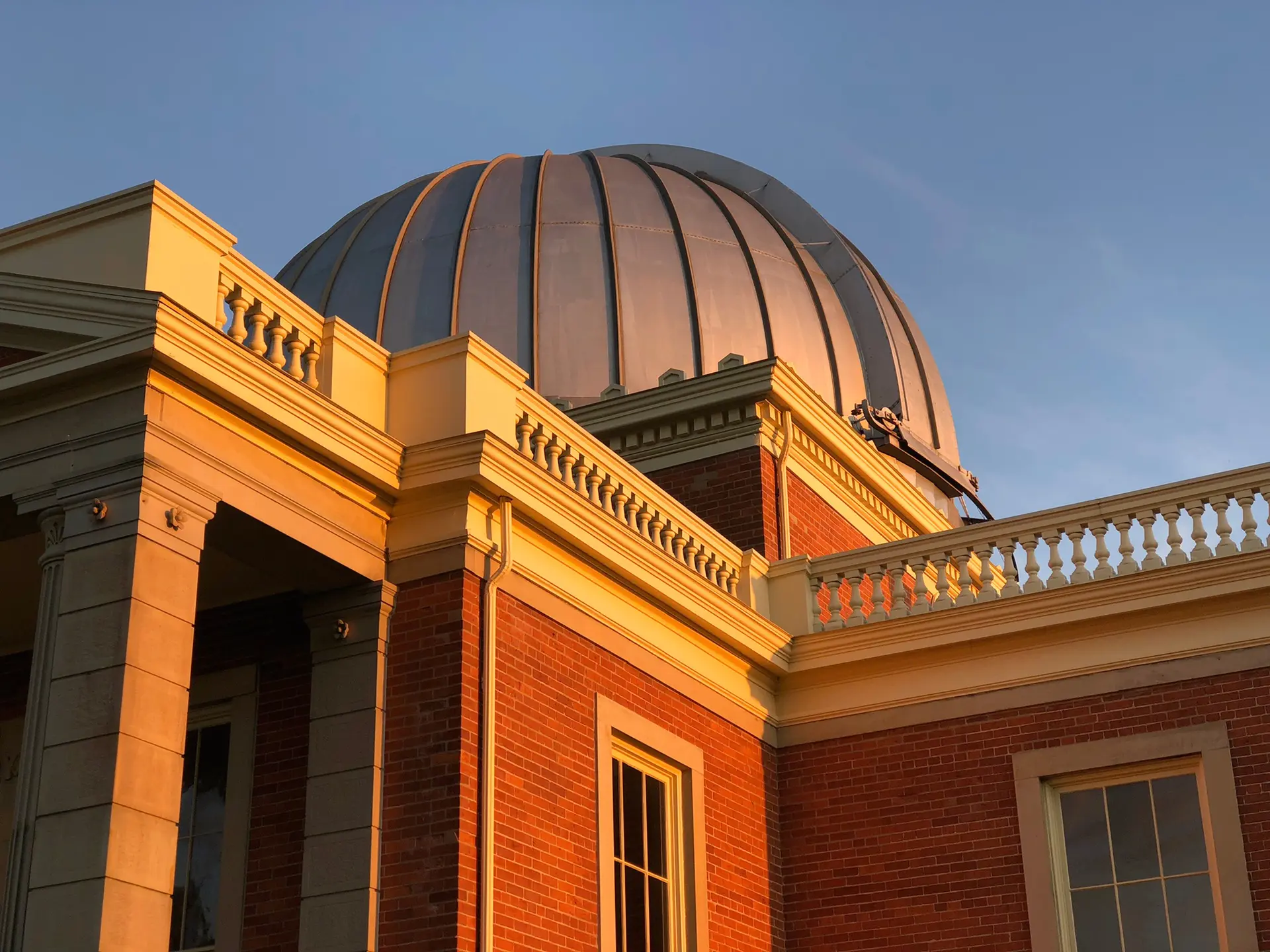
Cincinnati Observatory in Cincinnati, Ohio is a historic public observatory and education center offering guided tours, family programs, classes, and telescope viewing. Established with an original 1845 telescope still in use, the Observatory preserves 19th-century astronomical instruments and continues community outreach through diverse events. Programs include daytime history tours on Tuesdays and Thursdays that highlight the buildings, main telescopes, safe solar viewing, and a gift shop. Sunday History Tours delve into the Observatory’s role in weather forecasting and timekeeping, showcase the original 1843 cornerstone, and feature the interactive Sundial. Evening offerings combine presentations, telescope viewing, and guided tours; Astronomy Evenings emphasize the Observatory’s historic 1845 telescope. Hands-on and family-focused experiences span Meet a Meteorite, Interstellar Adventures for families with children ages 5–12, Family Astronomy Night, and Planet Walk Tours that scale the solar system with a 450-foot trek to Pluto. Adult-focused programming includes the Adult Astronaut Academy training camp, Space Exploration class series that explores Voyager, Galileo, and Cassini missions, and special-topic nights such as Pluto Night and astronomy archives events. The Observatory partners with regional collectors and expert speakers for meteorite showcases, lectures, and hands-on experiments. Visitors can expect educational, science-driven experiences suitable for families, students, and adults interested in astronomy, history, and space exploration. Programming schedules and ticketing information are available through the Observatory’s official channels. Special events include Late Night Date Night and more. Interstellar Adventures runs Saturdays with telescope viewing and pizza; attend five adventures in 2025 to enter a drawing to win a Family Membership.

Book with Cincinnati Observatory