THE ADVENTURE COLLECTIVE® · Independent discovery and booking for outdoor travel

Board an early train from Athens and trade the city for towering sandstone pillars and cliff-top monasteries. This compact 2-day rail trip mixes sunset viewpoints, a choice of guided hikes, and a night in Kalabaka to experience Meteora’s geology and Byzantine history.
Board an early train from Athens and trade the city for towering sandstone pillars and cliff-top monasteries. This compact 2-day rail trip mixes sunset viewpoints, a choice of guided hikes, and a night in Kalabaka to experience Meteora’s geology and Byzantine history.
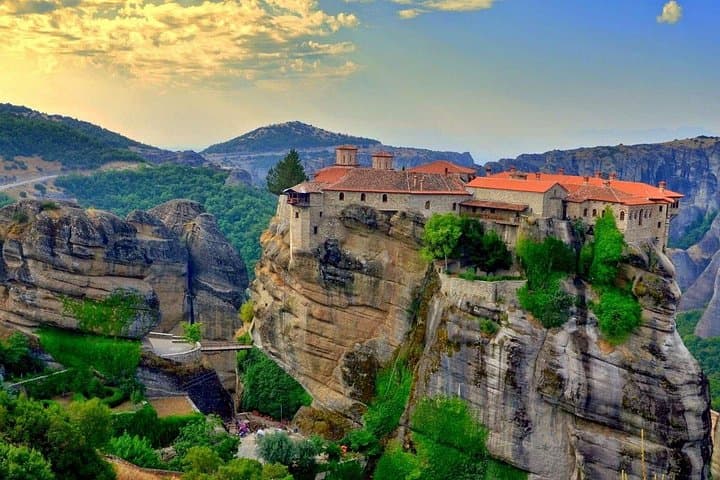
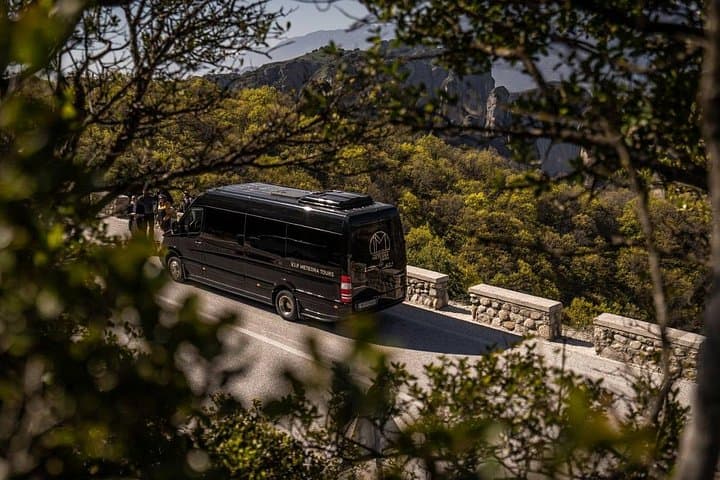
The train pulls out of Athens at first light, and the Attica plain gives way to olive groves and limestone ridges until the rock pillars of Meteora appear like a hand of stone rising from the Thessalian valley. By evening you’re in Kalabaka, small-town warmth framed by cliffs; the sunset tour climbs narrow switchbacks to a viewpoint where the rocks drink the last light and the monasteries perch like islands on high.
Verified experiences and guided adventures in the surrounding area.
Operated by VIP Metora Tours · Kalabaka, Thessaly
The train pulls out of Athens at first light, and the Attica plain gives way to olive groves and limestone ridges until the rock pillars of Meteora appear like a hand of stone rising from the Thessalian valley. By evening you’re in Kalabaka, small-town warmth framed by cliffs; the sunset tour climbs narrow switchbacks to a viewpoint where the rocks drink the last light and the monasteries perch like islands on high.
Meteora’s cliffs are ancient sandstone and conglomerate carved by river systems and tectonic uplift during the Paleogene; monks began scaling these pillars in the 11th century to build isolated monasteries that became centers of Byzantine art and learning. Kalabaka itself sits on older foundations—Roman and Byzantine traces surface in small churches and mosaic fragments.
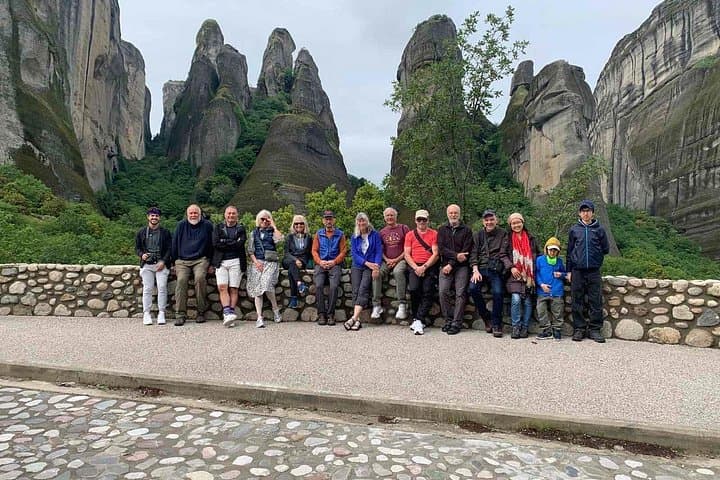
Expect a mix of low-impact hiking and cultural visiting: cobbled paths, carved stairways, and brief steep pitches between viewpoints and monastic courtyards. The area is quiet at dawn when choughs wheel and the wind seems to push you forward along ridge trails. Local guides translate frescoes and offer context about monastic life and the region’s geology.
Practical: bring grippy footwear for stone steps, a daypack with water and sun protection, and plan train tickets separately from the tour voucher. The package typically includes one night 3-star lodging, breakfast, small-group guiding, and an evening sunset stop; the second day offers either a guided hike or a shorter minibuss tour before the return train.
Timing matters—arrive with tickets in hand and allow time for monastery entry (modest dress required). With moderate fitness, this rail-and-hike loop is an efficient way to see Meteora’s drama without camping overnight on the rocks.
Yes. Train tickets are sent separately from the tour voucher—keep both accessible on your device and arrive at Larissis station at least 15 minutes before departure.
Monastery entrance fees are usually paid on-site and are not always included; modest dress is required (shoulders and knees covered).
The hike is moderate: uneven terrain and stone steps with short steep sections—comfortable footwear and moderate fitness are recommended.
Yes; services run year-round but schedules, daylight hours, and weather vary—winters are colder and spring can be wet, so plan accordingly.
VIP Metora Tours operates guided outdoor trips and adventures with an emphasis on safety, stewardship, and memorable experiences.

The train pulls out of Athens at first light, and the Attica plain gives way to olive groves and limestone ridges until the rock pillars of Meteora appear like a hand of stone rising from the Thessalian valley. By evening you’re in Kalabaka, small-town warmth framed by cliffs; the sunset tour climbs narrow switchbacks to a viewpoint where the rocks drink the last light and the monasteries perch like islands on high.
The train pulls out of Athens at first light, and the Attica plain gives way to olive groves and limestone ridges until the rock pillars of Meteora appear like a hand of stone rising from the Thessalian valley. By evening you’re in Kalabaka, small-town warmth framed by cliffs; the sunset tour climbs narrow switchbacks to a viewpoint where the rocks drink the last light and the monasteries perch like islands on high.
Meteora’s cliffs are ancient sandstone and conglomerate carved by river systems and tectonic uplift during the Paleogene; monks began scaling these pillars in the 11th century to build isolated monasteries that became centers of Byzantine art and learning. Kalabaka itself sits on older foundations—Roman and Byzantine traces surface in small churches and mosaic fragments.
Expect a mix of low-impact hiking and cultural visiting: cobbled paths, carved stairways, and brief steep pitches between viewpoints and monastic courtyards. The area is quiet at dawn when choughs wheel and the wind seems to push you forward along ridge trails. Local guides translate frescoes and offer context about monastic life and the region’s geology.
Practical: bring grippy footwear for stone steps, a daypack with water and sun protection, and plan train tickets separately from the tour voucher. The package typically includes one night 3-star lodging, breakfast, small-group guiding, and an evening sunset stop; the second day offers either a guided hike or a shorter minibuss tour before the return train.
Timing matters—arrive with tickets in hand and allow time for monastery entry (modest dress required). With moderate fitness, this rail-and-hike loop is an efficient way to see Meteora’s drama without camping overnight on the rocks.